


Lok Sabha Approves Jan Vishwas Amendment Bill, Aims to Enhance Business Environment
The CSR Journal Magazine

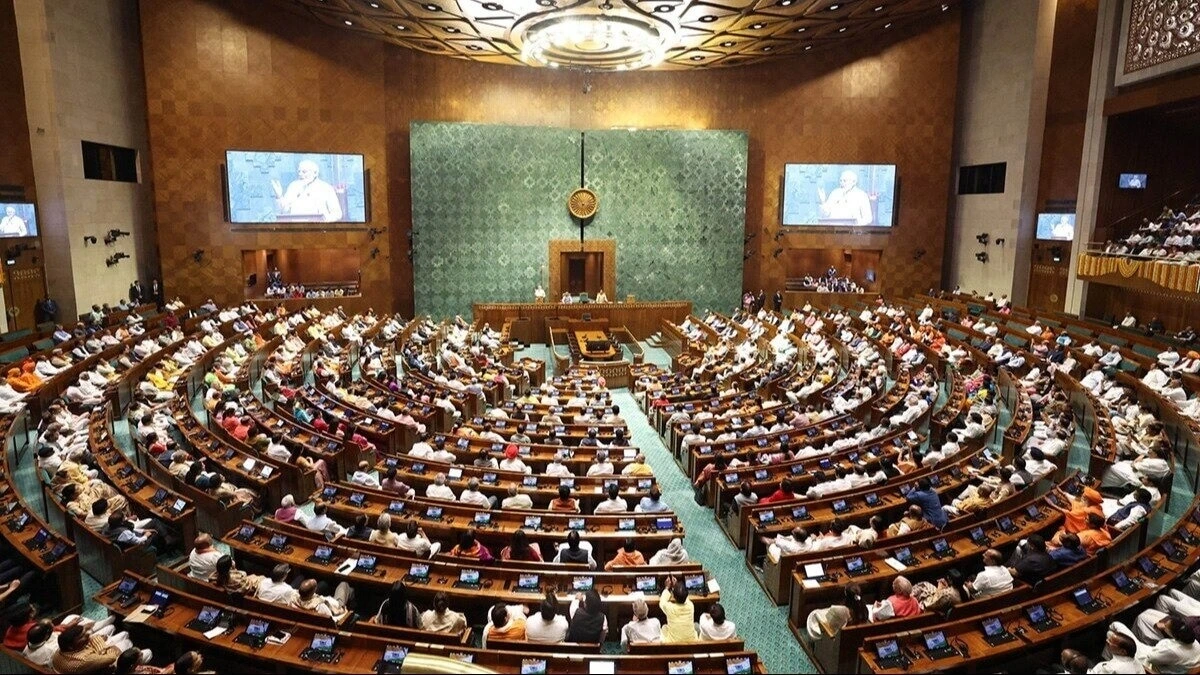
On April 2, the Lok Sabha successfully passed the Jan Vishwas (Amendment of Provisions) Bill, 2026, which is designed to improve both the Ease of Doing Business and Ease of Living in India. The bill proposes amendments to 784 provisions across 79 Central Acts managed by 23 Ministries. It intends to decriminalize 717 provisions to facilitate business operations while reforming 67 provisions to enhance living standards.

Focus on Trust-Based Governance

Commerce and Industry Minister Piyush Goyal presented responses during the debate on the Bill. This legislative effort aims to rationalize over 1,000 offenses by eliminating outdated regulations and improving the regulatory environment. One of the key shifts proposed is moving from criminal penalties for minor infractions to civil and administrative enforcement mechanisms, which include penalties and warnings rather than imprisonment.

Rationalisation of Enforcement Mechanisms

The Bill outlines various enforcement measures, including the introduction of graded enforcement mechanisms that provide warnings for first-time offenses. It aims to rationalize fines and penalties in relation to the severity of the violation. The proposed framework will also facilitate efficient and timely enforcement through the appointment of Adjudicating Officers and the establishment of Appellate Authorities.

Litigation and Compliance Reductions

Officials have indicated that these measures are intended to speed up the disposal of cases and lessen the burden of litigation on the judiciary, while still adhering to natural justice principles. The legislative framework is seen as a step towards creating a more efficient system that encourages compliance among citizens and businesses.

Amendments to Specific Acts

The legislation includes 67 amendments to the New Delhi Municipal Council Act, 1994, and the Motor Vehicles Act, 1988. These changes are designed to simplify procedures, thereby improving citizen convenience in matters related to municipal taxes and compliance regulations associated with vehicles.

Extensive Consultative Process Undertaken

The drafting and shaping of the Jan Vishwas Amendment Bill were informed by a thorough consultative process. This involved various Inter-Ministerial Committee meetings, High-Level Committee discussions under NITI Aayog, and interactions with industry groups and civil society organizations. A Select Committee engaged in an exhaustive consultation process, featuring 49 sittings that included committee members, relevant Ministries, external stakeholders, and subject matter experts.

Long or Short, get news the way you like. No ads. No redirections. Download Newspin and Stay Alert, The CSR Journal Mobile app, for fast, crisp, clean updates!

App Store –  https://apps.apple.com/in/app/newspin/id6746449540 

Google Play Store – https://play.google.com/store/apps/details?id=com.inventifweb.newspin&pcampaignid=web_share

Latest News

Popular Videos
