


app-store-logo
play-store-logo
December 23, 2025

Kapil Sharma Show Faces Copyright Suit Over Unauthorised Song Use
The CSR Journal Magazine

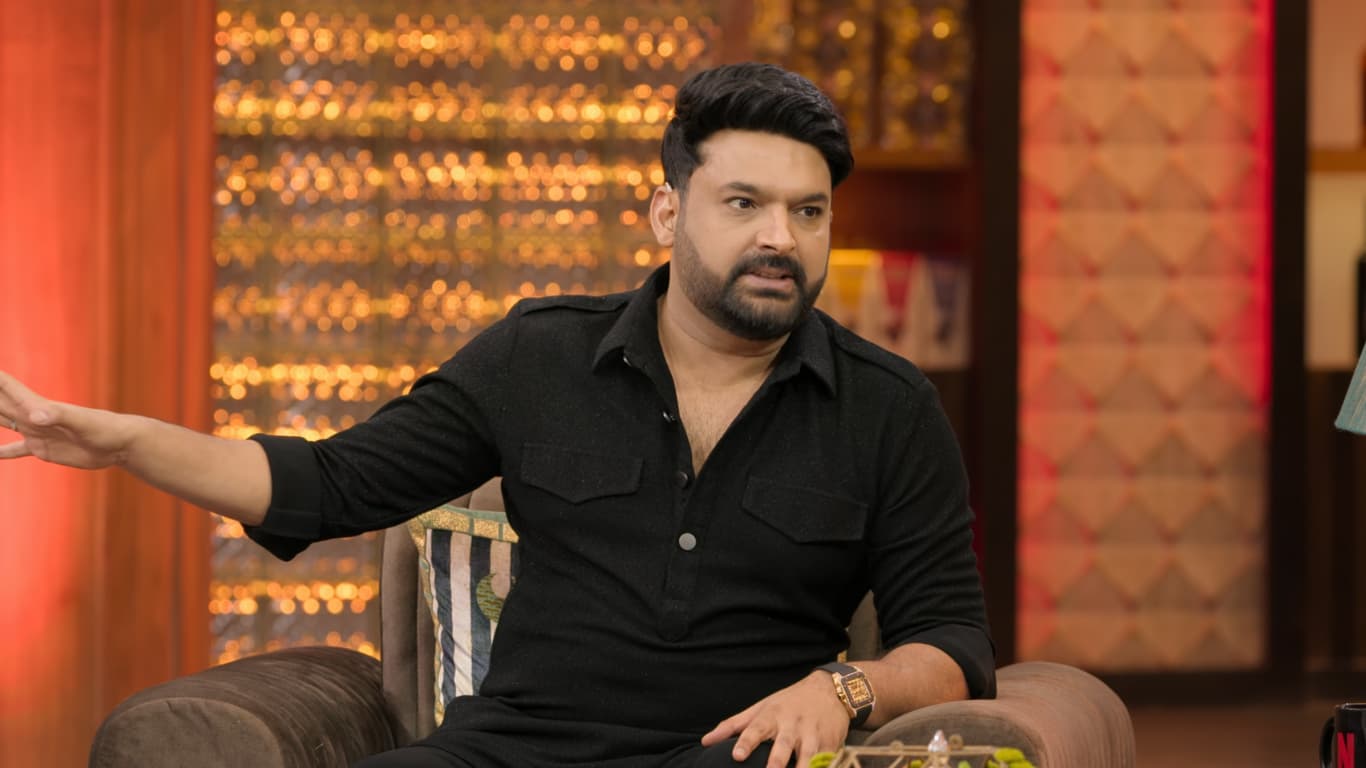
The Great Indian Kapil Show has landed in legal trouble after a leading copyright licensing body moved the Bombay High Court, alleging that the popular comedy programme used Bollywood songs without obtaining proper permission. The case comes at a sensitive time for comedian Kapil Sharma and the makers, as the fourth season of the show has just begun streaming on Netflix, attracting wide attention in India and abroad.

Phonographic Performance Ltd (PPL) India, which represents music labels and owns rights over a large repertoire of sound recordings, has filed a commercial copyright infringement suit against Kapil Sharma, his production banner K9 Films Pvt Ltd, co-producer BeingU Studios Pvt Ltd, and streaming platform Netflix India. The organisation has claimed that the show used three popular Hindi film songs in earlier episodes without taking a licence from PPL India, thereby violating the Copyright Act, 1957.

Three Episodes Under Legal Scanner

As per the plaint filed before the Bombay High Court, the dispute relates to three specific episodes from the third season of The Great Indian Kapil Show, which aired between June and September. PPL India has listed the songs and the episodes in which they were allegedly used without authorisation.

In one of the episodes, featuring actors Sidharth Malhotra and Janhvi Kapoor, the show team allegedly played the track “M Bole To” from the film Munna Bhai MBBS (2003). Another episode, which had Sanjay Dutt and Suniel Shetty as celebrity guests, reportedly used the song “Rama Re” from the crime thriller Kaante (2002). In the season finale, where actor Akshay Kumar appeared as the main guest, the makers are said to have used the hit party number “Subha Hone Na De” from Desi Boyz (2011).

PPL India has argued that each of these uses amounts to “public performance” and “communication to the public” within the meaning of the Copyright Act. The organisation has pointed out that the songs were not merely played in the background, but used in a show recorded in front of a live studio audience and later streamed on a global online platform, thus multiplying the alleged infringement.

PPL India’s Claims Before the Court

In the lawsuit, PPL India has said that it is the lawful licensee and assignee of the sound recording rights for the said tracks, and that any public performance or broadcast of those recordings cannot take place without its permission. According to the plaint, the Kapil Sharma show producers did not approach PPL India for a licence for these songs.

The organisation has claimed that despite being in the business of entertainment and broadcasting for many years, the defendants have ignored the need to obtain a music licence. It has submitted that this conduct shows a “wilful and deliberate disregard” for copyright law. PPL India has also underlined that music forms a key attraction for television and digital shows, and therefore its commercial value cannot be treated lightly by content producers.

The suit also stresses that the alleged infringement is not a one-time, private use, but a commercial exploitation that benefits the producers as well as the streaming platform. The plaint states that such unlicensed usage deprives the rights holders and the music industry of rightful revenue, and creates an uneven field where some producers pay for licences while others attempt to bypass the system.

Cease-and-Desist Notice Preceded Legal Move

PPL India has informed the court that it did not directly move to litigation, but first attempted to resolve the matter by issuing a legal notice. On 6 November, the organisation sent a cease-and-desist notice to the show’s producers, demanding that they immediately stop using PPL’s sound recordings without a valid licence and regularise any past usage.

According to the plaint, the defendants sent only a “holding reply” and did not commit to stopping the alleged unauthorised use. PPL India has stated that despite the notice, the makers continued to use sound recordings from its catalogue in the show. In view of this, the company decided to approach the commercial division of the Bombay High Court seeking urgent relief and enforcement of its rights.

The plaintiffs have argued that the delay in securing a court order will cause them continuing financial loss, as the episodes remain available on an international streaming service and may be viewed multiple times by subscribers. They have also expressed apprehension that, in the absence of court intervention, similar unlicensed usage may continue in future seasons.

Reliefs Sought from Bombay High Court

In its suit, PPL India has requested the court to grant an injunction restraining Kapil Sharma, the production companies and Netflix India from using or communicating any sound recordings from PPL’s repertoire without obtaining a licence. The organisation has asked that this restriction apply not only to television broadcast, but also to streaming, digital transmission, and any other mode of communication to the public.

The plaintiffs have further sought an order directing the defendants to disclose all revenues, profits and other benefits earned from the episodes in which the disputed songs were used. This includes advertising revenue, sponsorships, appearance fees and any streaming-related income connected to the infringing episodes. Based on this disclosure, PPL India wants the court to direct payment of damages or an account of profits for the unauthorised usage.

In addition, PPL India has asked the court to appoint a court receiver to take custody of any infringing material, including master recordings, copies of the episodes, and related content where its sound recordings are used. Such a measure, the organisation says, is necessary to ensure that the infringing content is not further circulated or monetised while the case is pending.

Case Comes Amid New Season Launch

The legal dispute has erupted at a time when Kapil Sharma has just launched a new season of his popular comedy talk show format on Netflix. The fourth season, branded as The Great Indian Kapil Show, premiered on the platform on 20 December, with actor Priyanka Chopra appearing as the first guest. The show has been widely promoted by Netflix and has been positioned as a flagship Indian original.

Industry observers note that this timing increases the stakes for both sides. For the show’s producers, any adverse order could affect not just old episodes, but also the manner in which future episodes handle music and song sequences. For Netflix, which is named as one of the defendants, the case could impact its content compliance practices and due diligence processes in India.

The development also puts the spotlight on Kapil Sharma himself, who is one of India’s best-known television faces and has a large fan following. As the primary face of the show and a producer through K9 Films, his name in the lawsuit naturally draws public attention, even though the legal issues centre on licensing practices and not on his individual performance as an artist.

Broader Questions on Music Use in Shows

The case has once again brought into focus the long-running disputes over the use of film songs and sound recordings in television shows, stage performances and online content. PPL India and other copyright organisations have repeatedly maintained that any public performance of recorded music, including in reality shows, award functions or comedy programmes, requires prior permission and fee payment.

On the other hand, some producers and content creators have in the past claimed confusion over whether short clips, background snatches or impromptu performances by guests require separate licences in every case. The Kapil Sharma show matter is likely to revive this discussion and may prompt clearer contracts and legal vetting before music is used on such platforms.

Legal experts say that the outcome of the case will be closely watched by the entertainment industry, as it could set a practical benchmark on responsibility and due diligence for producers, broadcasters and streaming platforms. It may also encourage rights holders to more actively monitor shows and digital content for unlicensed use of their catalogues.

At the time of writing, neither Kapil Sharma nor representatives of K9 Films, BeingU Studios or Netflix India have issued any detailed public statement on the suit. PPL India too has limited its comments to what is contained in the court filings. The matter is expected to come up before the commercial division of the Bombay High Court, where initial hearings will determine whether interim relief is granted in favour of PPL India while the main dispute is adjudicated.

Long or Short, get news the way you like. No ads. No redirections. Download Newspin and Stay Alert, The CSR Journal Mobile app, for fast, crisp, clean updates!

App Store –  https://apps.apple.com/in/app/newspin/id6746449540 

Google Play Store – https://play.google.com/store/apps/details?id=com.inventifweb.newspin&pcampaignid=web_share

Latest News

Popular Videos
