


app-store-logo
play-store-logo
March 9, 2026

Japan Prepares to Potentially Release Oil from Strategic Reserves Amid Global Tensions
The CSR Journal Magazine

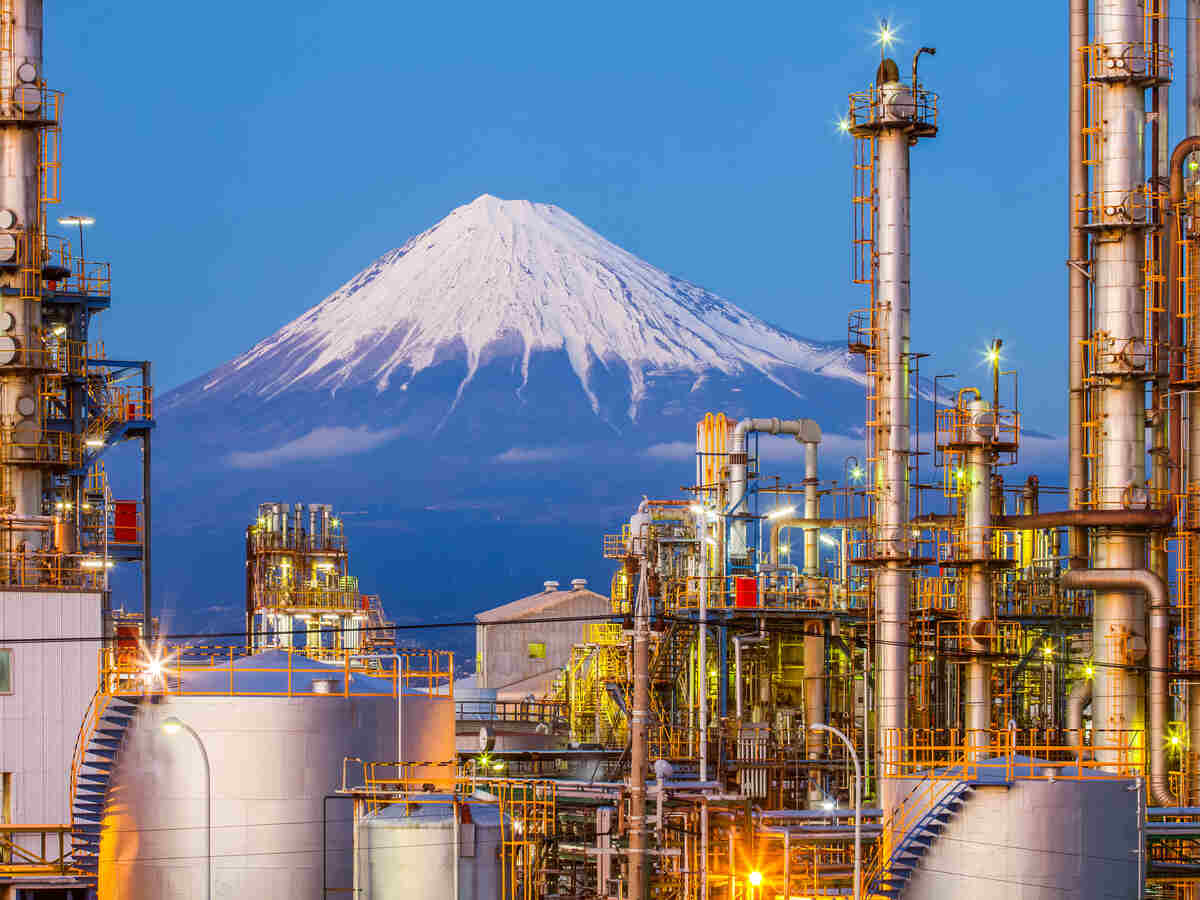
Japan is reportedly gearing up to release crude oil from its national reserves due to increasing tensions in the Middle East that may impact global energy supplies and critical shipping routes essential for Asian economies. The country possesses the third-largest strategic petroleum reserve worldwide, trailing only behind China and the United States. According to a senior Japanese lawmaker, government officials have initiated preparations at at least one national oil storage facility for a potential release.

Akira Nagatsuma, a member of the opposition Centrist Reform Alliance, noted that the directive came for the Shibushi national oil storage base. An official from the Japan Organisation for Metals and Energy Security indicated that this instruction was issued by the Agency for Natural Resources and Energy, though specific details about the timing and extent of any release remain unclear.

Energy Import Dependency

Japan ranks among the largest economies globally; however, domestic oil production is minimal. The nation heavily relies on imported energy to sustain its industrial operations, transport systems, and urban power requirements. Experts estimate that Japan imports approximately 90 to 95 percent of its total energy consumption.

A significant disruption in these imports could lead to immediate repercussions including slowed factory production, transport network challenges, and strain on electricity supply. Given that industry and commerce are key drivers of Japan’s economy, energy shortages could have extensive impacts across various sectors. As a result, Japan considers energy imports a vital national security issue rather than simply a commercial matter.

Middle Eastern Oil Supply

A substantial portion of Japan’s crude oil is sourced from the Middle East, with major suppliers including Saudi Arabia, the UAE, and Kuwait. The logistical aspect of oil transportation is also critical, as much of the crude that reaches Japan traverses the Strait of Hormuz, a key energy shipping passage.

Any disruptions or conflicts in this narrow maritime corridor can jeopardize the security of Japan’s oil supply lines. This reliance on a particular region and crucial shipping routes has been integral to Tokyo’s long-standing strategy of maintaining significant oil reserves as a safety measure.

Structure of Oil Reserves

In order to avert supply disturbances, Japan has established one of the largest emergency oil stockpiles worldwide. These reserves are maintained through a combination of government-controlled stocks, inventories managed by private oil companies, and joint reserves with oil-producing nations.

This comprehensive strategy ensures access to fuel for an extended duration, even during major crises. According to official figures, Japan retains approximately 440 million barrels of oil in its reserves, sufficient to meet around 204 days’ worth of imports, predominantly from the Middle East. Such stockpiles serve as an important buffer during geopolitical uncertainties, shipping disruptions, or sudden surges in global oil prices.

Continued Industrial Demand for Oil

Japan’s industrialized economy remains heavily reliant on oil across multiple sectors. Petrochemical plants utilize crude oil for the production of plastics and various materials, while aviation demands substantial amounts of jet fuel. The shipping and transport industries also depend on petroleum products, with oil utilized in backup power generation and several heavy industries.

Major industrial regions such as Yokohama and Osaka host large refineries and petrochemical facilities that require a consistent and reliable crude oil supply to function efficiently. Despite significant investments in energy efficiency and renewable technologies, oil continues to play a crucial role in Japan’s energy framework.

Lessons from Past Energy Crises

Japan’s cautious stance on energy security has evolved due to historical crises. The oil crisis of 1973 revealed the vulnerabilities faced by import-dependent economies when global supply is abruptly restricted. Rising prices resulted in challenges for many countries in securing adequate fuel supplies.

More recently, the 2011 Fukushima nuclear disaster necessitated the shutdown of numerous nuclear reactors, leading to increased reliance on fossil fuel imports, including oil, coal, and liquefied natural gas. This series of events has ingrained the understanding among policymakers in Tokyo that energy security must not be taken lightly.

Strategic Importance of Oil Reserves

Today, Japan’s extensive oil reserves serve as a vital form of national insurance. As a country with minimal domestic energy resources, significant industrial needs, and supply routes through politically sensitive regions, Japan cannot solely depend on immediate imports.

By maintaining substantial strategic reserves, the country ensures a measured response to global crises, stabilizing its energy supply and sustaining economic operations during periods of disruption.

Long or Short, get news the way you like. No ads. No redirections. Download Newspin and Stay Alert, The CSR Journal Mobile app, for fast, crisp, clean updates!

App Store –  https://apps.apple.com/in/app/newspin/id6746449540 

Google Play Store – https://play.google.com/store/apps/details?id=com.inventifweb.newspin&pcampaignid=web_share

Latest News

Popular Videos
