


Iran’s Cultural Identity: The Influence of Pre-Islamic Persian Heritage Amid Conflict
The CSR Journal Magazine

In Iran, a symbol like the Faravahar, which represents Zoroastrian beliefs, holds a unique place. Despite being considered haraam by many in the broader Muslim world, this emblem is widely sold and worn by numerous individuals, including Shia Muslims in the country. Experts highlight that this signifies the multifaceted cultural identity present in Iran, a predominantly Shia nation where over 90% of the population adheres to Islam. The significance of these ancient symbols has become particularly pronounced in light of current tensions with Israel and the United States, as Iran’s historical roots bolster its national resolve.

Signs of Persian Heritage in Modern Iran

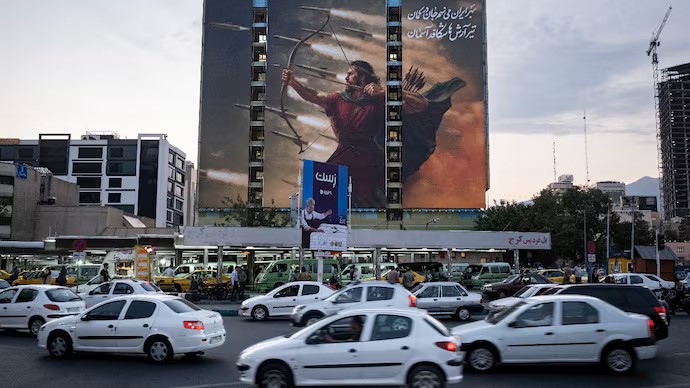
Evidence of Iran’s rich Persian roots is visible throughout the country. Imagery of ancient Achaemenid warriors, depictions of Arash the Archer—a symbol of sacrifice—and references to Rostam, a legendary figure from Persian folklore, can be found in various public spaces, from billboards to television programming. These visual elements form a bridge to Iran’s illustrious pre-Islamic past, which was significantly shaped by Zoroastrian empires starting with the Achaemenid Empire led by Cyrus the Great. Although later Islamic Caliphates integrated Iran into the Arab world, Zoroastrian cultural influences have persisted through the centuries.

National Identity During Times of Unrest

The historical significance of Zoroastrian symbols has played a pivotal role in allowing Iranians to distinguish themselves from the Arab influence. The Pahlavi dynasty, which ruled Iran from 1925 until the 1979 Iranian Revolution, often invoked Persia’s imperial legacy to reinforce its authority. In contemporary times, protests against the ruling clerical regime have revealed a resurgence in support for the Pahlavi era, with demonstrators invoking symbols like the Lion and Sun flag that hark back to Iran’s pre-Islamic identity. After the killing of Ayatollah Ali Khamenei in recent conflicts, streets filled with demands for the return of the last Shah’s son, Reza Pahlavi, showcased this enduring connection to Persian heritage.

The Regime’s Adoption of Persian Symbols

The Shia clerical government has increasingly aligned with Persian nationalism to strengthen its legitimacy amid widespread dissent. Interestingly, the official language of the nation is Persian (Farsi), which sets Iran apart from its Arabic-speaking neighbors. Additionally, the celebration of Nowruz, the Persian New Year rooted in Zoroastrian tradition, highlights this unique cultural identity. An unexpected instance of emphasizing Persian nationalism occurred in July of the previous year, shortly following an Israeli operation against Iran. Ayatollah Khamenei requested a veteran eulogist to perform a version of “Ey Iran,” a song emblematic of national pride, during Ashura—an event typically steeped in religious mourning.

Nationalism Intertwined with Religious Observance

This performance signified an unusual blending of nationalism and religious observance, particularly at a moment when Iran faced significant external threats. The melding of commemorative expressions of mourning with references to national identity has been increasingly observed across the country, further intertwining religion and nationalism. Traditional religious gatherings have begun to include patriotic elements, exhibiting a mixture of mourning and national pride among participants, indicative of a complex identity landscape.

Persian Iconography in War Rhetoric

Following recent military skirmishes, depictions of ancient Persian warriors began to populate public spaces in Iran. Billboards showcased Achaemenid soldiers alongside protective symbols, while Arash was portrayed in contemporary contexts, targeting modern adversaries. For instance, an art piece unveiled in Tehran displayed a reinterpretation of historical events, depicting the Sasanian king Shapur I overpowering a Roman emperor—an event that symbolizes Iran’s historical prowess. Similar imagery circulated in Shiraz, illustrating a projected message of defiance against perceived enemies.

Resilience Rooted in Heritage

The revival of Persian identity has seemingly challenged the narrative that political Islam has entirely overshadowed Iran’s historical legacy. Even during the era of political Islam, elements of Persia have maintained a strong presence in public consciousness. As global perceptions shift, Iran’s leaders are recognized for their high-level strategic thinking, demonstrating a continuity of cultural resilience. Thus, the enduring legacy of pre-Islamic Persian mythology provides an avenue through which Iran navigates contemporary adversities, drawing strength from a rich history.

Long or Short, get news the way you like. No ads. No redirections. Download Newspin and Stay Alert, The CSR Journal Mobile app, for fast, crisp, clean updates!

App Store –  https://apps.apple.com/in/app/newspin/id6746449540 

Google Play Store – https://play.google.com/store/apps/details?id=com.inventifweb.newspin&pcampaignid=web_share

Latest News

Popular Videos
