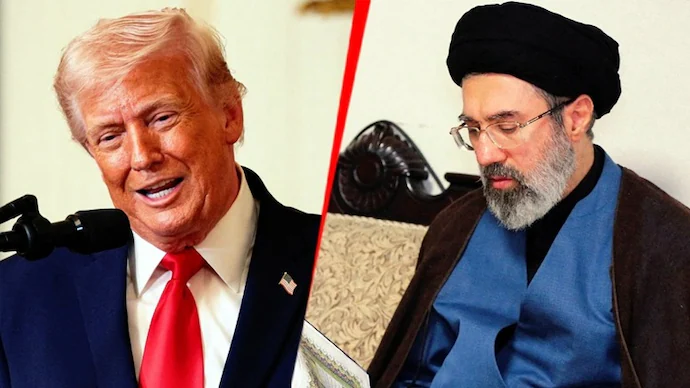
Amid escalating tensions in West Asia, Iran has projected confidence in its ability to withstand mounting pressure from the United States, even as discussions around a potential ceasefire continue in parallel with ongoing military engagements.
Iranian leadership has indicated that it is prepared for a prolonged phase of confrontation, suggesting that any negotiations will be approached from a position of strength rather than urgency.
Tehran Signals Long-Term Strategy
Officials in Tehran have maintained that the country remains in a favourable position despite sustained pressure, underlining its readiness to endure a protracted conflict if necessary.
This stance comes at a time when speculation is growing over the possible deployment of US ground forces and an expansion of military operations in the region. Iran, however, appears to be factoring in long-term strategic considerations, drawing from past conflicts where endurance has played a decisive role.
Analysts say this approach reflects a calculated attempt to shift leverage over time, rather than seeking immediate de-escalation.
Military Capability And Regional Influence
Iran’s confidence is rooted in multiple factors, including its military capabilities and its network of regional allies. The country has continued to invest in missile systems, drone technology and asymmetric warfare strategies, which it views as key deterrents.
Additionally, Tehran’s influence across parts of West Asia provides it with strategic depth, allowing it to extend pressure beyond its immediate borders.
Despite years of economic sanctions, Iran has also demonstrated a degree of resilience, which officials believe strengthens its ability to sustain prolonged tensions.
Ceasefire Talks Face Uncertainty
While diplomatic efforts aimed at brokering a ceasefire are ongoing, Iran’s current posture suggests reluctance to agree to terms that do not align with its strategic objectives.
Tehran appears keen to avoid any settlement that could be perceived as a concession under pressure, instead favouring negotiations that reflect its perceived strength on the ground.
This dynamic complicates international mediation efforts, as multiple stakeholders with differing interests continue to shape the course of discussions.
Global Concerns Over Escalation
The evolving situation has drawn varied reactions from the international community, with concerns growing over the risk of a wider regional conflict.
The possibility of increased US military involvement, including ground operations, has added to the uncertainty, raising questions about the future stability of the region and the security of key global trade routes.
As tensions persist, the trajectory of the conflict will likely depend on both military developments and the effectiveness of diplomatic channels.
For now, Iran’s strategy appears centred on endurance and assertiveness, signalling that a swift resolution remains unlikely.