


Iran Proposes Transit Fees for Vessels in the Strait of Hormuz
The CSR Journal Magazine

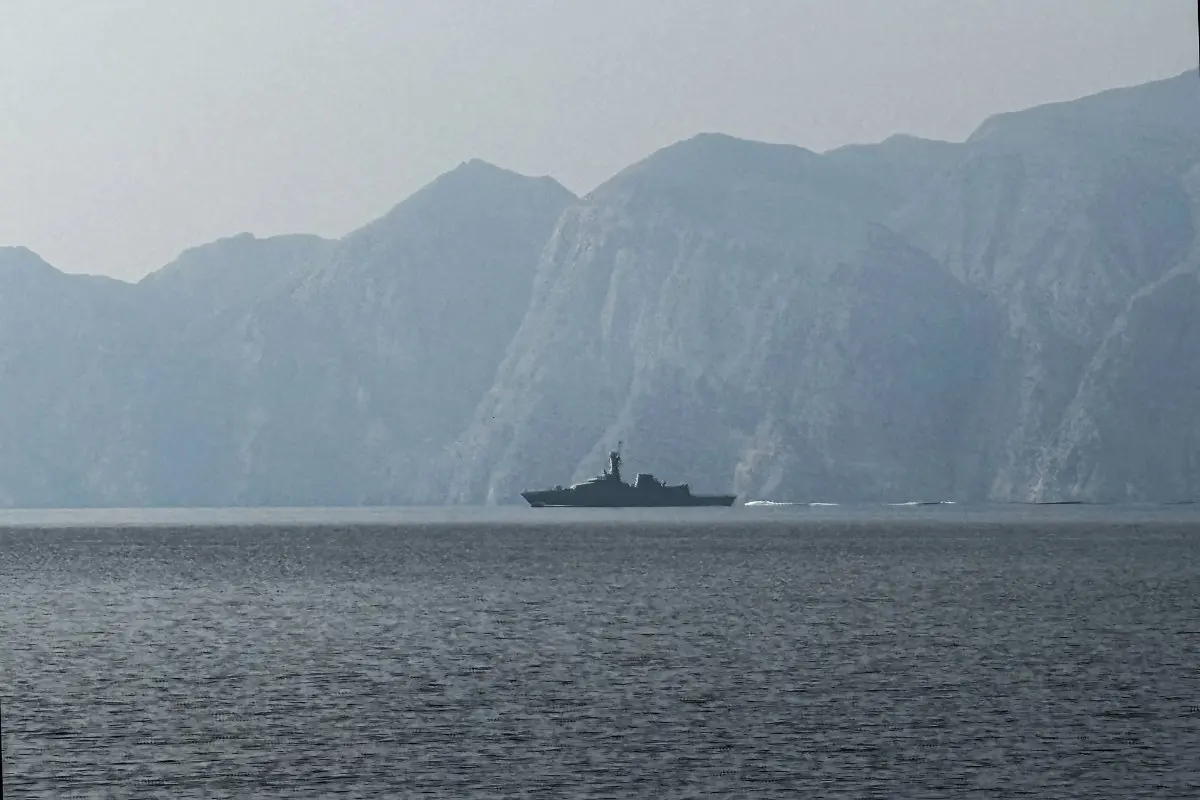
Iran is contemplating the introduction of transit fees for ships navigating the Strait of Hormuz, as announced by a member of parliament on Thursday. This initiative aims to capitalize on Iran’s significant influence over this vital maritime corridor, which is responsible for the transit of approximately one-fifth of global oil and liquefied natural gas. The suggestions come at a time of heightened tensions following the ongoing US-Israeli conflict with Iran, which has seen the country disrupt maritime activities in the strait for vessels purportedly linked to its adversaries and their supporters.

Proposed Bill on Shipping and Energy Transit

The Iranian Students’ News Agency has reported that the legislative body is evaluating a bill that would mandate countries utilizing the strait for maritime activities, including energy and food supplies, to pay tolls and taxes to Iran. This legislative move reflects Iran’s intention to assert economic control over a transit route that holds significant strategic importance.

Strategic Maritime Control Post-Conflict

Mohammad Mokhber, an adviser to Iran’s supreme leader, indicated that a new operational framework would be established for the Strait of Hormuz following the conclusion of the current conflict. He stated that this would empower Iran to impose maritime restrictions on nations that have placed sanctions against it. Mokhber expressed that leveraging the strategic significance of the Strait of Hormuz could enable Iran to impose retaliatory measures against Western nations, effectively blocking their vessels from navigating this crucial passage.

Tensions in Maritime Transit

The potential implementation of transit fees highlights the shifting dynamics in the region’s maritime activities. A significant fraction of global oil shipments pass through the Strait of Hormuz, making it a focal point of geopolitical tensions. Should Iran proceed with its plans, it may usher in a new era of commercial and political maneuvering in the region, affecting not only regional players but also global oil markets.

International Implications of Proposed Fees

The imposition of transit fees would represent a significant change in the operational parameters for vessels operating in the Strait of Hormuz. Countries reliant on this passage for energy supplies could face increased economic burdens. The legislative moves reflect a broader strategy by Iran to exert influence over critical shipping routes amid changing regional alliances and the backdrop of ongoing conflicts.

Conclusion of Regional Developments

As Iran seeks to position itself more assertively within the Strait of Hormuz, the implications of proposed transit fees extend beyond regional economics. The situation remains fluid, with the potential for further developments that could impact maritime law and international relations in this vital waterway.

Long or Short, get news the way you like. No ads. No redirections. Download Newspin and Stay Alert, The CSR Journal Mobile app, for fast, crisp, clean updates!

App Store –  https://apps.apple.com/in/app/newspin/id6746449540 

Google Play Store – https://play.google.com/store/apps/details?id=com.inventifweb.newspin&pcampaignid=web_share

Latest News

Popular Videos
