


Iran Imposes $2 Million Charge for Ship Passage Through Strait of Hormuz
The CSR Journal Magazine

Iran has begun charging certain merchant vessels a fee of USD 2 million for passage through the strategically significant Strait of Hormuz, as reported by an Iranian lawmaker. This announcement comes amid heightened tensions due to ongoing conflict with a coalition comprised of Israel and the United States. Alaeddin Boroujerdi, a member of the Iranian parliament’s national security committee, stated that this measure is intended to assert Iran’s authority over the waterway. He emphasized the necessity of this fee due to the “costs of war” and described the decision as a reflection of the nation’s strength.

Impact on Global Shipping

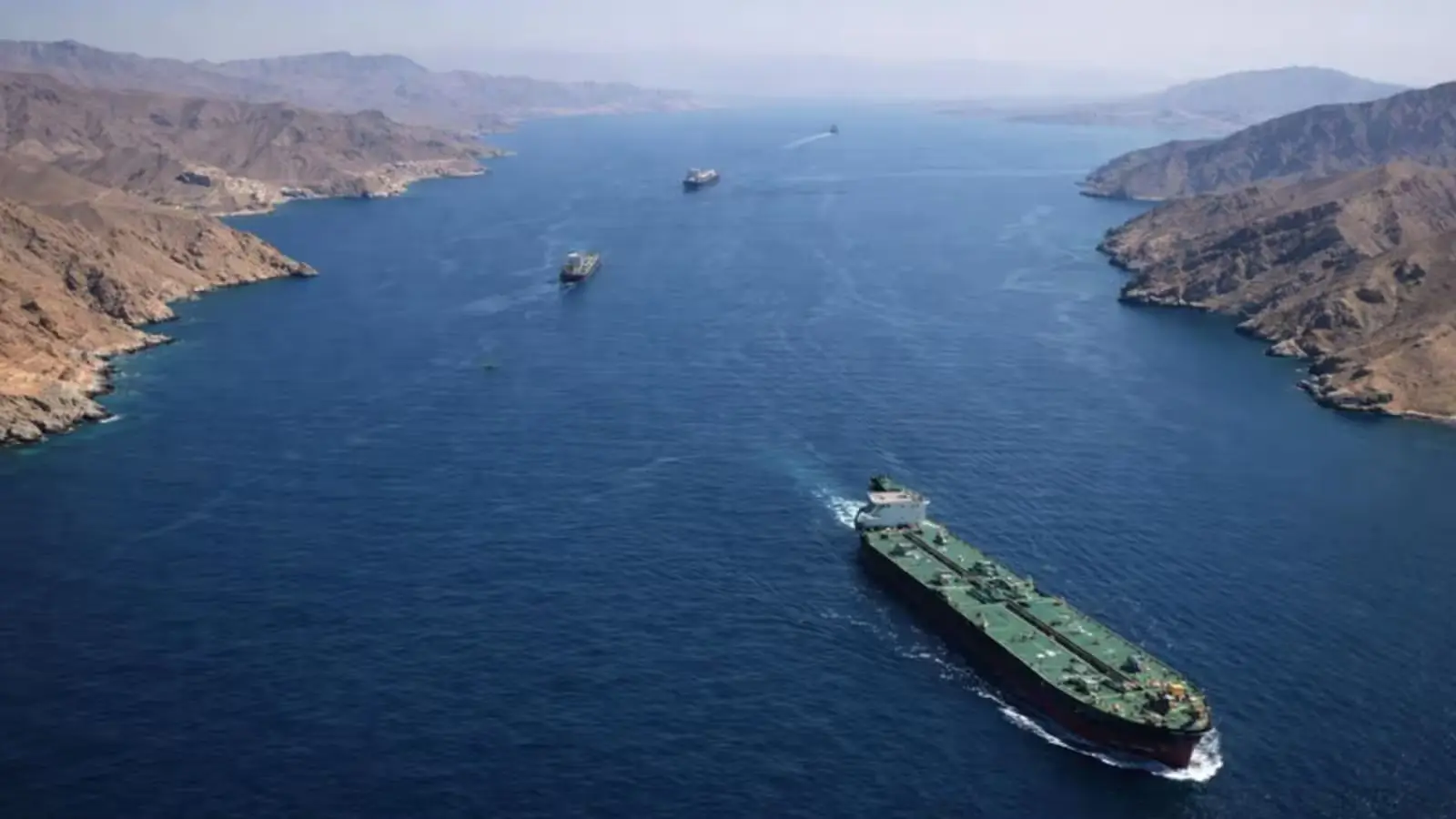
The Strait of Hormuz is a vital passage for international fuel shipments, with approximately 20 percent of the world’s oil and liquefied natural gas transported through it. Reports indicate that the strait has been effectively shut down since early March, significantly affecting global fuel prices. Despite the alarming nature of these developments, Iran seems to be applying the blockade selectively. Iranian officials, including Foreign Minister Abbas Araghchi, have suggested that the strait remains open for vessels linked to “friends” of Iran while being closed to tankers related to countries they consider adversarial.

Recent Transit Developments

Notably, Iranian authorities have permitted some Indian-flagged vessels, specifically those transporting liquefied petroleum gas (LPG), to transit through the strait in recent weeks. Current reports suggest that additional Indian-flagged LPG carriers are preparing to navigate the crucial shipping route. Tracking data has also indicated that at least one oil tanker from Pakistan has successfully maneuvered through the Strait of Hormuz. These developments highlight the complicated nature of maritime traffic in the region during heightened tensions.

Escalating Rhetoric and Regional Responses

The situation in the Strait of Hormuz took a turn for the worse following comments from US President Donald Trump, who issued a 48-hour ultimatum to Iran to fully reopen the waterway. He warned of possible military action against Iranian power plants if the demand was not met. In reaction, Iran’s parliamentary speaker Mohammad Baqer Qalibaf vowed to retaliate against critical energy infrastructure across the Middle East should any military actions be undertaken by the US. Additionally, Iran’s Revolutionary Guards have asserted that any attacks on Iranian installations would lead to the complete closure of the Strait of Hormuz.

Maritime Traffic Disruptions

Since the issuance of threats by Iran regarding the safety of merchant ships attempting to cross the strait, maritime traffic has nearly come to a standstill. Compounding these tensions, a recent incident involved explosive-laden boats allegedly linked to Iran attacking two fuel tankers in Iraqi waters, resulting in significant damage and the death of one crew member, identified as an Indian national. The rising risks and geopolitical complexities in the region continue to challenge shipping operations and raise concerns about future developments.

Long or Short, get news the way you like. No ads. No redirections. Download Newspin and Stay Alert, The CSR Journal Mobile app, for fast, crisp, clean updates!

App Store –  https://apps.apple.com/in/app/newspin/id6746449540 

Google Play Store – https://play.google.com/store/apps/details?id=com.inventifweb.newspin&pcampaignid=web_share

Latest News

Popular Videos
