


Iran and Oman Initiate Talks to Secure Transit Through Strait of Hormuz
The CSR Journal Magazine

Iran and Oman have commenced direct discussions aimed at ensuring the uninterrupted transit of vessels through the Strait of Hormuz, a crucial maritime corridor. This initiative arises in response to escalating disruptions in global energy flows following military actions in the region, particularly the US-Israeli strikes on October 28. The objective of the talks is to prevent a protracted blockade on this vital shipping route.

The discussions took place on April 4, 2026, and were confirmed by the Omani Foreign Ministry. Engaging at the level of deputy foreign ministers, the meeting also included experts from both nations, focusing on practical solutions to facilitate safe navigation through the strait amidst ongoing regional tensions.

Oman’s statement revealed that the officials explored various potential strategies to guarantee smooth vessel passage, indicative of the urgency surrounding the situation. Multiple proposals were presented, which are now subject to further examination to establish a framework for future maritime operations.

Ongoing Restrictions on Vessel Movements

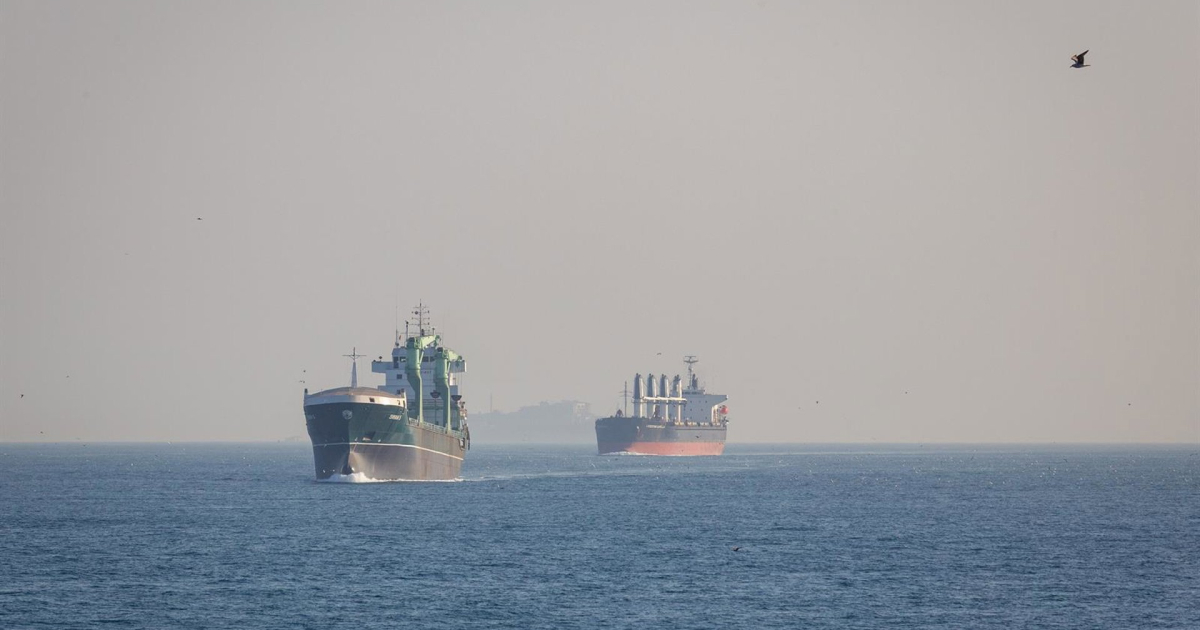
Despite the diplomatic efforts, shipping activities within the Strait of Hormuz remain severely limited. Recent reports indicate that only a small number of vessels associated with Oman have successfully navigated the strait, following atypical routing that directs them closer to the Omani coastline rather than traditional paths.

Although Iran has permitted some selective transits, the general movement of vessels continues to be substantially hindered. Current estimates suggest that thousands of ships are still awaiting clearance to traverse this critical waterway, highlighting the significant extent of the disruptions stemming from the conflict.

Shipping data compiled by Reuters underscores the challenges faced by maritime operators as they navigate this complex situation. The reduced flow of vessels not only emphasises the immediate ramifications of the conflict but also points to the broader implications for global supply chains.

Global Reactions to the Ongoing Situation

The backdrop of these discussions is marked by escalating tensions, elevating concerns from international leaders. Recently, US President Donald Trump issued a stark warning of potential military action against Iran should the Strait of Hormuz remain obstructed. In a controversial statement, he threatened to target Iran’s infrastructure if maritime access was not restored promptly.

In his remarks, Trump articulated a severe stance, suggesting that severe repercussions would follow if shipping through the strait was not made accessible again. His statements underscore the geopolitical stakes tied to the safety and stability of this transportation route, vital for global energy supplies.

The Strait of Hormuz continues to play a pivotal role in international energy shipments. The disruptions in transit have resulted in noticeable fluctuations in energy prices, prompting nations reliant on these supplies to seek alternative routes to mitigate the effects on their economies.

As the situation evolves, global markets are adapting to the changing dynamics, reflecting the intricacies involved in managing energy dependencies amidst geopolitical challenges.

Long or Short, get news the way you like. No ads. No redirections. Download Newspin and Stay Alert, The CSR Journal Mobile app, for fast, crisp, clean updates!

App Store –  https://apps.apple.com/in/app/newspin/id6746449540 

Google Play Store – https://play.google.com/store/apps/details?id=com.inventifweb.newspin&pcampaignid=web_share

Latest News

Popular Videos
