


app-store-logo
play-store-logo
January 9, 2026

Indore Water Crisis Turns Deadly, 18 Killed as Outbreaks Spread Across India
The CSR Journal Magazine

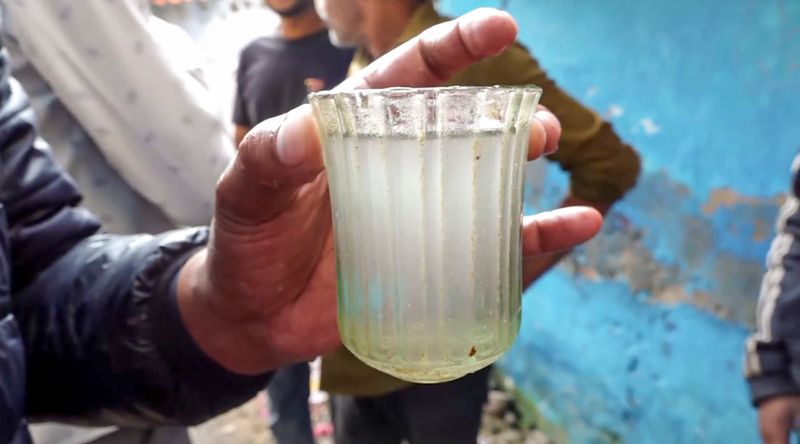
Indore’s reputation as India’s cleanest city has taken a devastating hit after a water contamination outbreak in the Bhagirathpura area claimed at least 18 lives and left hundreds ill. The tragedy, which began just days before Christmas, has become the most lethal chapter in a year-long national crisis linked to sewage-contaminated drinking water. Across India, at least 34 people have died and more than 5,500 have fallen sick in similar outbreaks reported from 26 cities, many of them state capitals.

The scale of the crisis has forced uncomfortable questions about the safety of urban water supplies, the condition of decades-old pipelines, and the readiness of municipal bodies to prevent disasters rather than merely respond to them. In Indore, hospital admissions have begun to decline, but the larger emergency remains far from over, with fresh contamination incidents continuing to surface across the country.

Human Cost of Unsafe Water

The diarrhoeal outbreak in Bhagirathpura began on December 24 after sewage mixed with the local drinking water supply. Within days, hospitals were overwhelmed as residents, including children and the elderly, reported severe dehydration, vomiting, and stomach infections. As of Wednesday, active hospital cases dropped to 54 from 99 a day earlier, marking three consecutive days of improvement.

The Indore district administration has distributed compensation of ₹2 lakh each to the families of 18 deceased residents, even as officials maintain that the confirmed death toll stands at seven pending a medical panel’s review. Addressing reporters, Mohan Yadav said the government was focused on relief rather than numbers, adding that the loss of even a single life was deeply painful.

For residents, however, anger and fear persist. Many families say complaints about foul-smelling water and frequent pipeline leaks were ignored for years. The outbreak has eroded trust in civic assurances and highlighted how quickly basic services can fail with fatal consequences.

Spreading Across Indian Cities

Indore is not an isolated case. Between January 2025 and early January 2026, sewage-contaminated piped water has affected residents in at least 16 state capitals across 22 states. In just one month, from December to early January, at least 19 people died and over 3,500 fell ill in 11 separate incidents reported from cities such as Patna, Raipur, Bengaluru, Gandhinagar, and Chennai.

In Gandhinagar, more than 150 children were hospitalised with typhoid after authorities identified 21 leaks that allowed sewage to enter drinking water pipelines. Bengaluru’s technology corridor reported dozens of households suffering from diarrhoea and stomach infections on January 4, prompting the Bangalore Water Supply and Sewerage Board to announce a three-year plan to replace nearly 3,000 kilometres of ageing Cauvery pipelines.

Public health experts warn that such outbreaks are becoming a year-round phenomenon rather than a seasonal monsoon-linked problem. Rapid urban expansion, stressed infrastructure, and inadequate monitoring have turned tap water into a potential health hazard in cities that were once considered relatively safe.

Why Contaminated Water Keeps Returning

In nearly every reported case, investigations traced the contamination to sewage mixing with drinking water through corroded, cracked, or poorly laid pipelines. Many Indian cities still depend on water distribution networks installed more than four decades ago, often running dangerously close to sewer lines.

In Delhi alone, around 18 percent of the 15,600-kilometre water supply network is over 30 years old and requires urgent replacement, according to official estimates. Similar or worse conditions exist in many smaller cities, where maintenance budgets are limited and emergency repairs are routine.

Experts point out that contamination often goes undetected for days because routine water quality testing is sporadic. By the time residents fall ill and hospitals raise alarms, hundreds may already have consumed polluted water.

Ignored Warnings

The Indore outbreak did not come without warning. A 2016-17 study by the Madhya Pradesh Pollution Control Board found groundwater contamination across the city, with total coliform levels indicating faecal pollution at nearly all 60 testing locations.

Administrative records show that plans to replace 9.8 kilometres of old pipelines in Bhagirathpura began as early as November 2021. Yet the work remains incomplete, spanning the tenures of five municipal commissioners. Delays caused by tendering issues, budget constraints, and administrative transfers allowed risks to compound over time.

For local residents, the outbreak feels like a disaster foretold. Many say pipeline repairs were temporary, with leaks resurfacing within weeks, especially during pressure fluctuations in the supply system.

National Schemes Struggle to Deliver Clean Water

India has invested heavily in urban water reform through flagship programmes such as Atal Mission for Rejuvenation and Urban Transformation (AMRUT) 2.0. The mission aims to provide universal water supply coverage and improve water quality across hundreds of cities.

However, progress on the ground has been uneven. As of February 2024, fewer than 10 percent of 485 surveyed cities reported providing 100 percent clean drinking water to residents. In many cases, infrastructure upgrades lag behind ambitious targets, while monitoring and accountability remain weak.

Critics argue that funding often prioritises new connections over fixing old pipes, leaving the most dangerous points in the system untouched. Without sustained investment in maintenance, cities remain vulnerable to repeat outbreaks.

A Public Health Emergency

Public health specialists warn that contaminated water outbreaks could become more frequent as urban populations grow and climate stress intensifies pressure on ageing systems. Rising temperatures and erratic rainfall can worsen pipeline damage and increase the risk of sewage infiltration.

The recurring nature of these incidents exposes a deeper governance failure, where action is triggered only after people fall sick or die. Experts stress the need for continuous water quality surveillance, transparent public reporting, and faster pipeline replacement, especially in high-risk neighbourhoods.

Indore’s tragedy has become a grim reminder that cleanliness rankings and civic awards mean little if basic infrastructure is allowed to decay. Unless cities shift from reactive crisis management to preventive planning, the taps meant to sustain urban life may continue to deliver disease instead.

Long or Short, get news the way you like. No ads. No redirections. Download Newspin and Stay Alert, The CSR Journal Mobile app, for fast, crisp, clean updates!

App Store –  https://apps.apple.com/in/app/newspin/id6746449540 

Google Play Store – https://play.google.com/store/apps/details?id=com.inventifweb.newspin&pcampaignid=web_share

Latest News

Popular Videos
