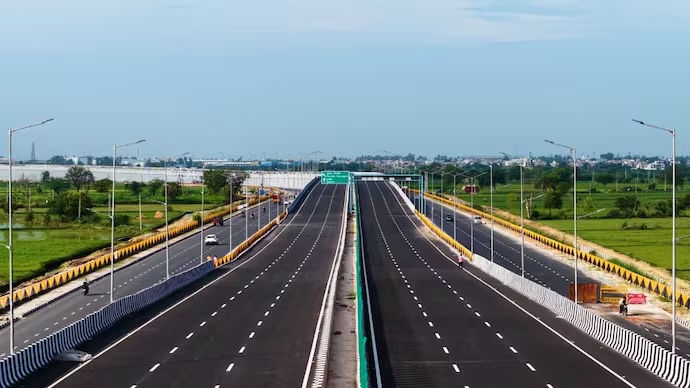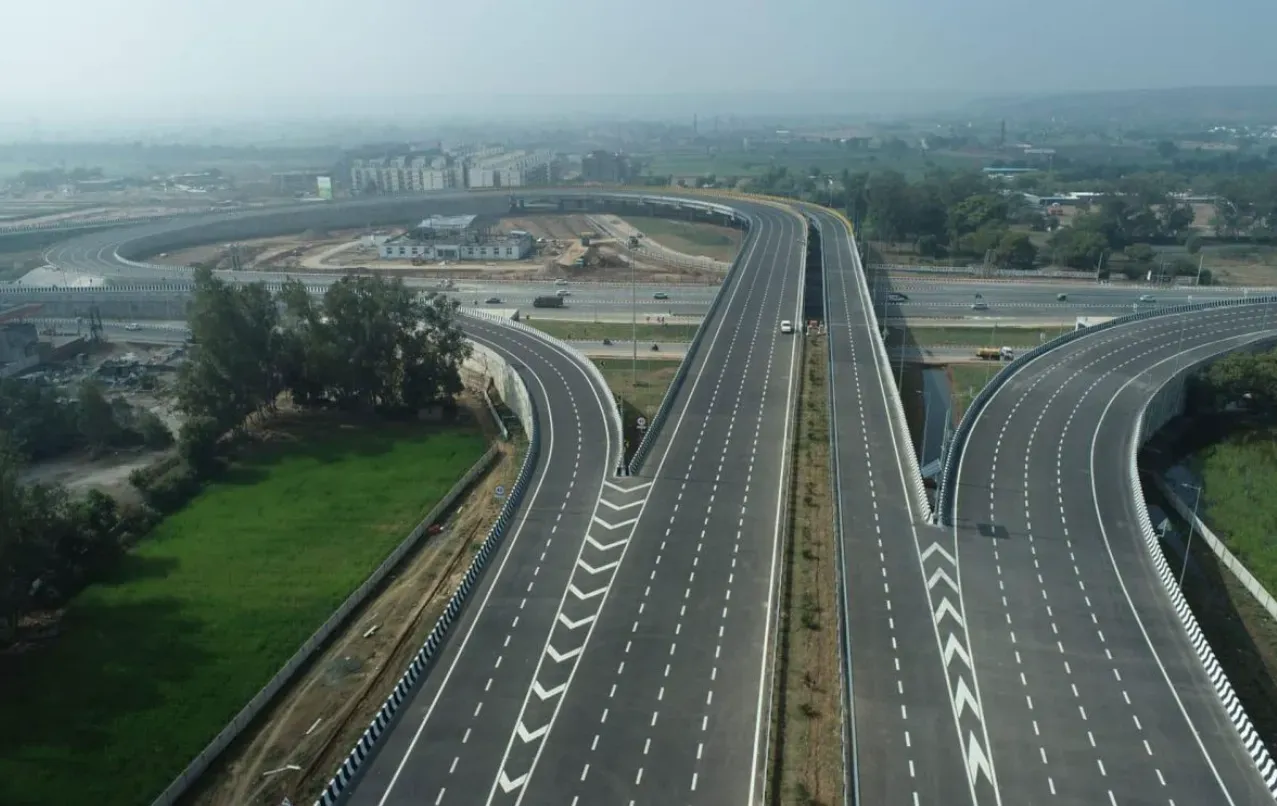

India’s infrastructure momentum in 2025 marked a year of visible change on the ground. Several long-delayed and high-impact projects finally opened for public use, reshaping travel, trade and urban mobility. The year stood out because it was not about a single sector. Airports, expressways, tunnels and metro systems all reached important milestones, reflecting a coordinated push to improve connectivity across regions and within cities.
At the same time, 2025 also acted as a bridge year. While some iconic projects opened fully, others reached partial completion, with remaining sections scheduled for early 2026. Together, these developments show how India’s infrastructure pipeline is now delivering results in phases, rather than waiting endlessly for full completion.
Navi Mumbai International Airport
The operational start of Navi Mumbai International Airport in 2025 was a landmark moment for Indian aviation. The new airport, developed across a vast area in Navi Mumbai, was planned to handle future growth that the existing airport could no longer support.
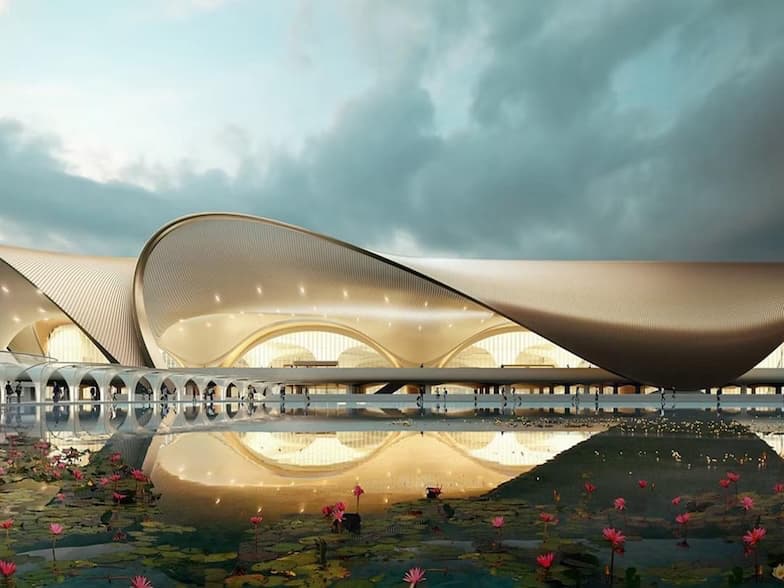
Built at an estimated cost of Rs 18,000-20,000 crore, NMIA is a greenfield airport planned to ease the heavy burden on Mumbai’s existing airport, which has been operating near saturation for years. Developed with large-scale land preparation, modern terminals and long runways, the airport has been designed for phased expansion, with an initial capacity of about 20 million passengers annually and much higher capacity planned in the future.
The biggest immediate benefit of NMIA is reduced congestion and improved convenience for passengers. By splitting air traffic between two airports, delays caused by slot shortages and peak-hour congestion are expected to come down. For travellers from Navi Mumbai, Panvel, Ulwe and parts of Raigad district, surface travel time to the airport is likely to reduce by 30 to 60 minutes compared to journeys across Mumbai city. This improves reliability for early-morning and late-night flights and makes air travel less stressful overall.
Beyond passenger movement, NMIA is expected to play a major role in cargo and regional economic growth. With dedicated cargo facilities and better road connectivity to highways and ports, the airport will help reduce logistics time for exporters, especially in sectors like pharmaceuticals, electronics and e-commerce. Over the long term, the airport is expected to attract logistics parks, offices and commercial development around it, turning Navi Mumbai into a major aviation and business hub and providing a long-term solution to the region’s growing air traffic needs.
Samruddhi Mahamarg
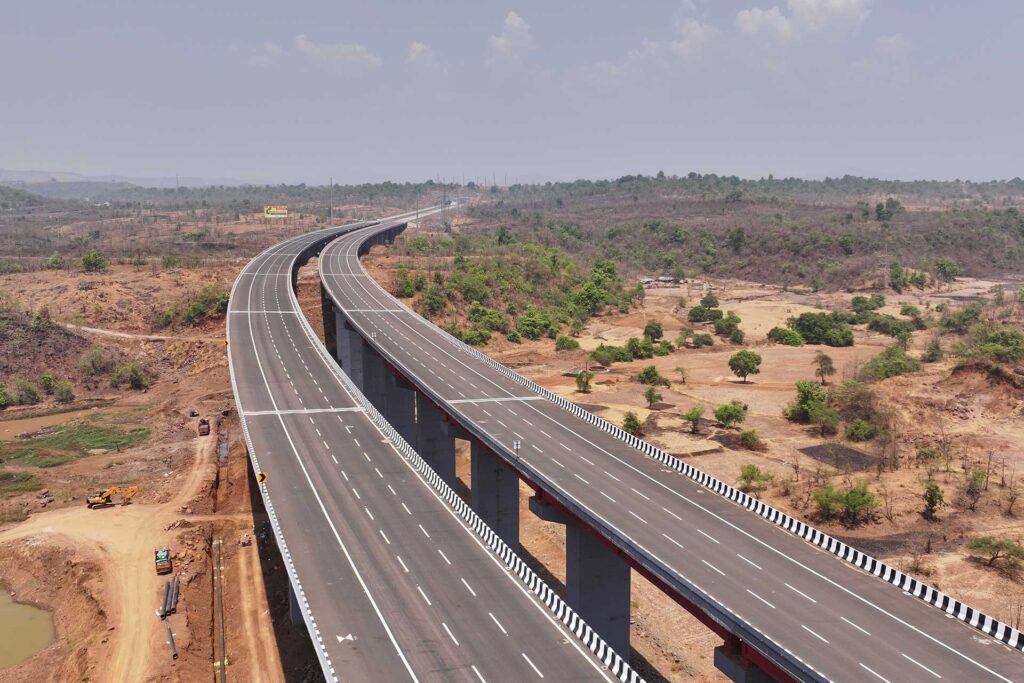
The Samruddhi Mahamarg, officially known as the Mumbai–Nagpur Expressway, became fully operational in 2025 after completion of its final stretch. Built at an estimated cost of around Rs 55,000 crore, this 701-kilometre access-controlled expressway is one of India’s largest road infrastructure projects. It connects Mumbai with Nagpur by cutting across the heart of Maharashtra and includes complex engineering features such as long tunnels, major bridges and wide concrete carriageways designed for high-speed travel.
The expressway has brought a sharp reduction in travel time, cutting the Mumbai–Nagpur journey from about 16 hours to roughly 8 hours. This saving directly lowers fuel costs and vehicle wear, while also making long-distance road travel more predictable. For passengers, the road offers safer driving conditions with limited entry points and better road geometry. For transporters, it improves reliability, which is critical for time-sensitive goods.
The wider benefit of the Samruddhi Mahamarg lies in its role as an economic corridor. By linking farming regions, industrial belts and urban centres, it enables faster movement of agricultural produce, manufactured goods and raw materials. The expressway also improves connectivity to ports near Mumbai, strengthening Maharashtra’s logistics network. Over time, it is expected to support new industrial zones, generate employment and drive balanced regional development across the state.
Sonamarg Tunnel
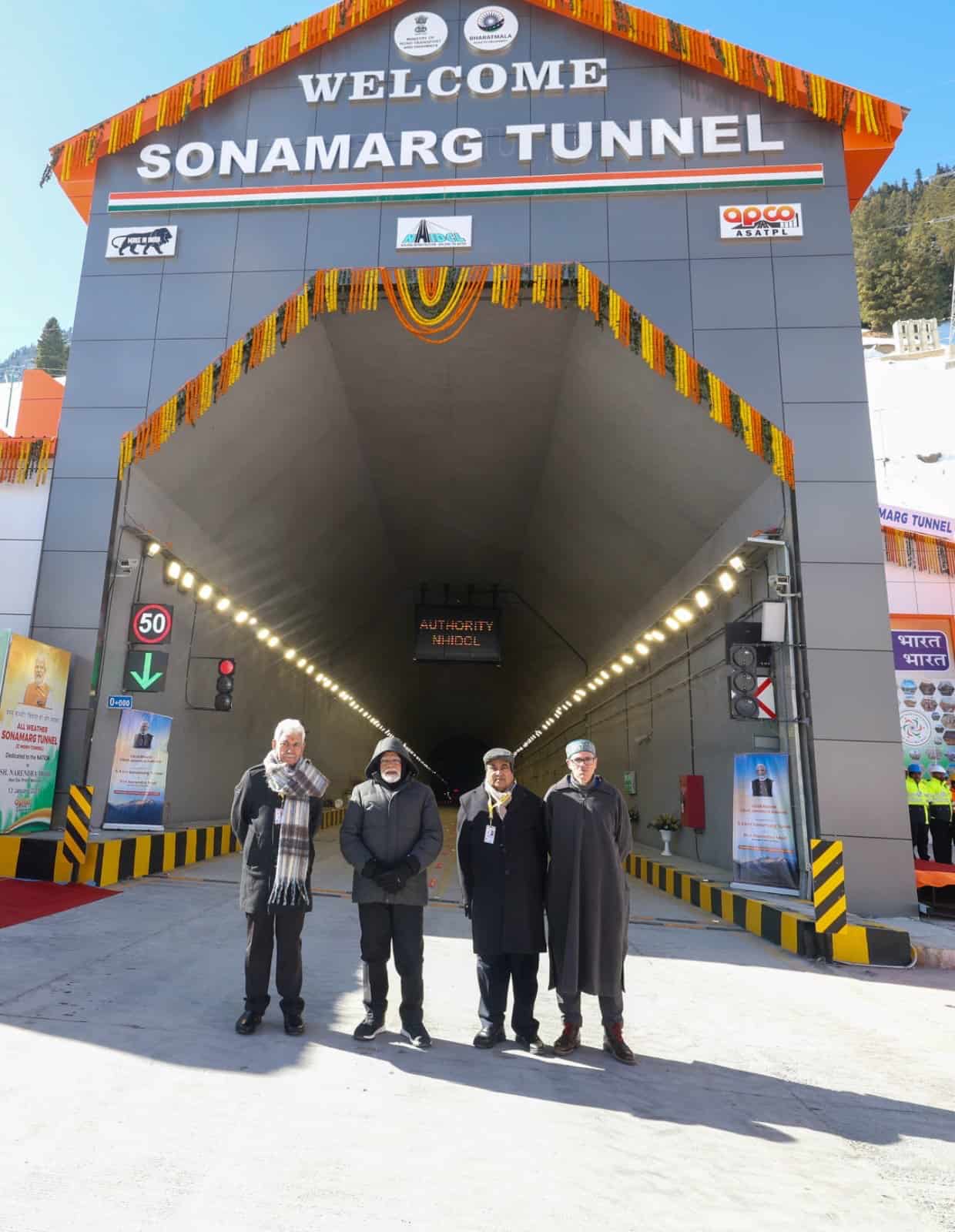
The Sonamarg Tunnel, also known as the Z-Morh Tunnel, opened in 2025 after an investment of around Rs 2,700 crore, marking a major achievement in Himalayan infrastructure. Built in extremely challenging terrain in Jammu and Kashmir, the tunnel was designed to bypass avalanche-prone stretches on the Srinagar–Sonamarg route. Until now, this section of the road would remain closed for long periods during winter due to heavy snowfall, cutting off movement and affecting daily life.
The tunnel has significantly improved safety and reliability of travel. While it reduces travel time through the difficult stretch by around 20 to 30 minutes, its real value lies in ensuring near all-weather connectivity. Vehicles can now move through the region with far less disruption, reducing the risks associated with snow clearance and landslides and improving emergency response capability.
The broader impact of the Sonamarg Tunnel goes beyond local travel. It supports tourism by allowing more consistent access to Sonamarg, extending the tourist season and improving visitor confidence. Strategically, it strengthens year-round connectivity towards Ladakh, making it a critical link for both civilian movement and logistics in a sensitive border region, and reinforcing long-term infrastructure resilience in the Himalayas.
Dwarka Expressway
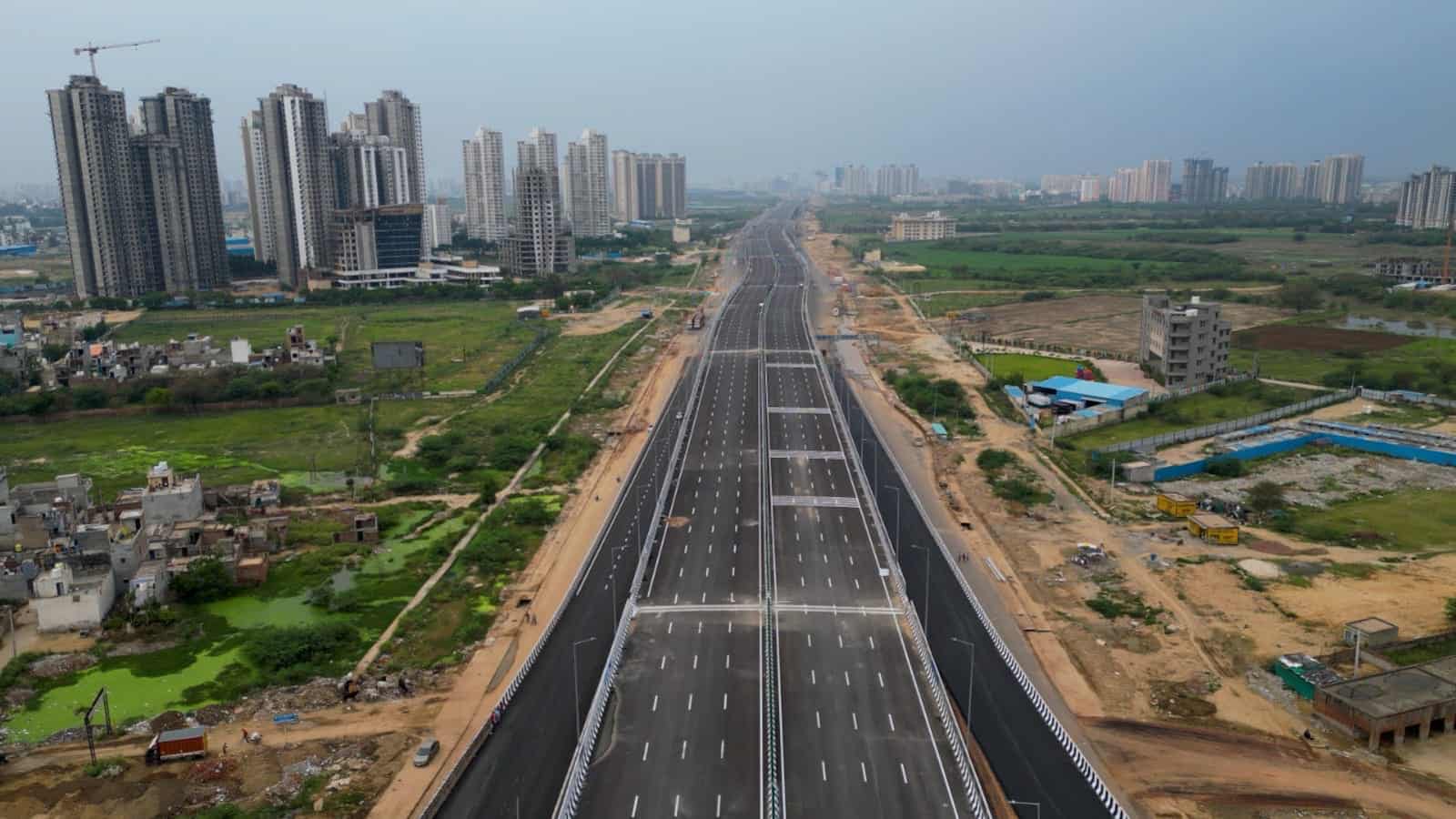
The Dwarka Expressway became operational in 2025 after an investment of roughly Rs 9,000 crore, emerging as one of the most important urban road projects in the National Capital Region. Built as an access-controlled corridor between Delhi and Gurugram, the expressway was planned to reduce the heavy load on the existing Delhi-Gurugram highway, which has long been plagued by congestion and frequent traffic snarls.
The expressway has led to major time savings for daily commuters. During peak hours, travel time between parts of Delhi and Gurugram is expected to reduce by 30 to 45 minutes, while also offering smoother and more predictable journeys. Improved access to airport zones and new residential and commercial developments adds to its convenience, making it a key connector for both work and travel.
Beyond immediate traffic relief, the Dwarka Expressway is expected to reshape urban growth patterns. By supporting planned development along its corridor, it helps decongest central areas and reduce fuel wastage caused by stop-and-go traffic. Over time, the expressway is likely to contribute to lower pollution levels and improved quality of life in one of India’s most densely populated regions.
Mumbai Metro Line 3 (Aqua Line)
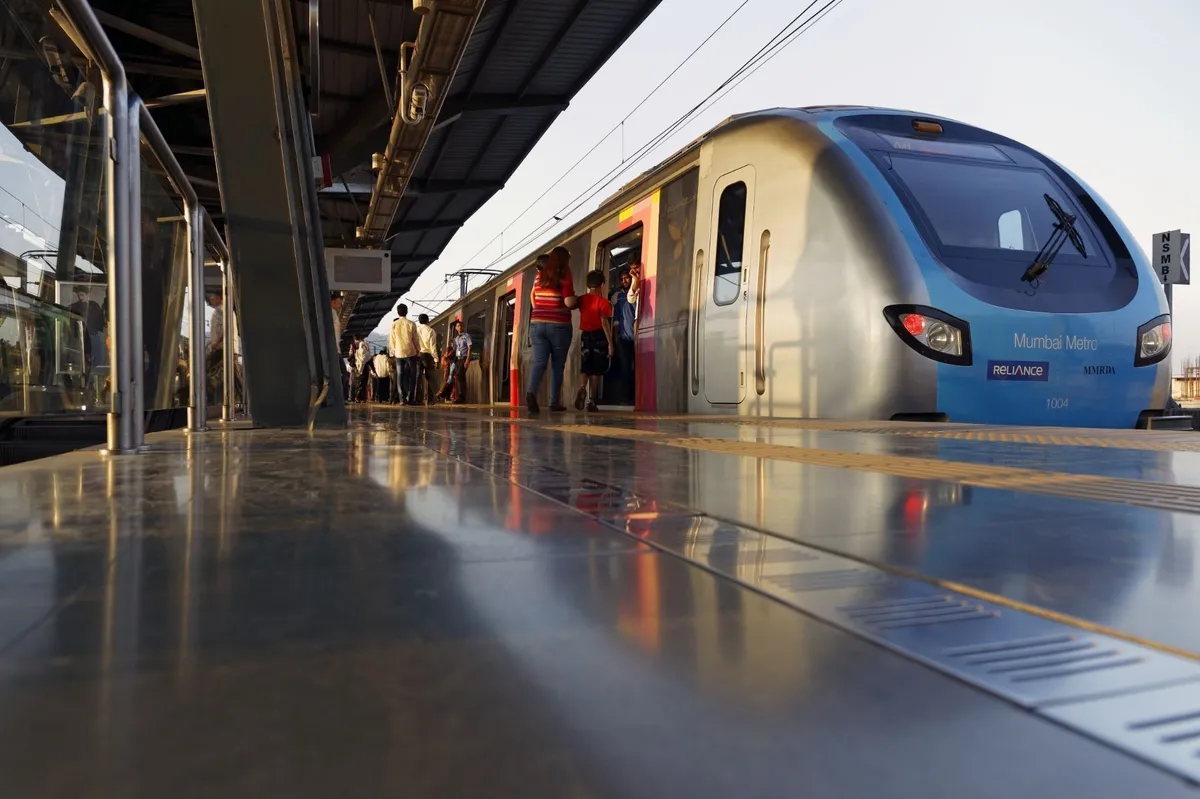
Mumbai Metro Line 3, popularly known as the Aqua Line, became operational in 2025 after an investment of around Rs 33,000 crore, making it one of the most expensive and ambitious metro projects in India. Built entirely underground through some of Mumbai’s most congested and densely built-up areas, the line was planned to offer a reliable mass transit option where expanding roads or elevated corridors was no longer possible.
The Aqua Line has brought significant time savings for commuters travelling through the city’s core business and residential districts. Journeys that earlier took over an hour by road during peak traffic can now be completed in about 20 to 30 minutes. The underground system also offers protection from monsoon disruptions, air-conditioned comfort and predictable travel times, which are especially valuable in a city known for its overcrowded transport networks.
Beyond daily commuting benefits, the Aqua Line is expected to reduce pressure on Mumbai’s suburban railways and roads. By encouraging a shift from private vehicles to public transport, it can help lower congestion, fuel consumption and emissions over the long term. The metro line also supports more efficient urban movement, making Mumbai’s economic centres easier to access and improving overall quality of life for lakhs of daily travellers.
Urban Extension Road-II