


app-store-logo
play-store-logo
February 16, 2026

India’s Hidden Prison Crisis: Over 300 Jails Running At Twice Capacity
The CSR Journal Magazine

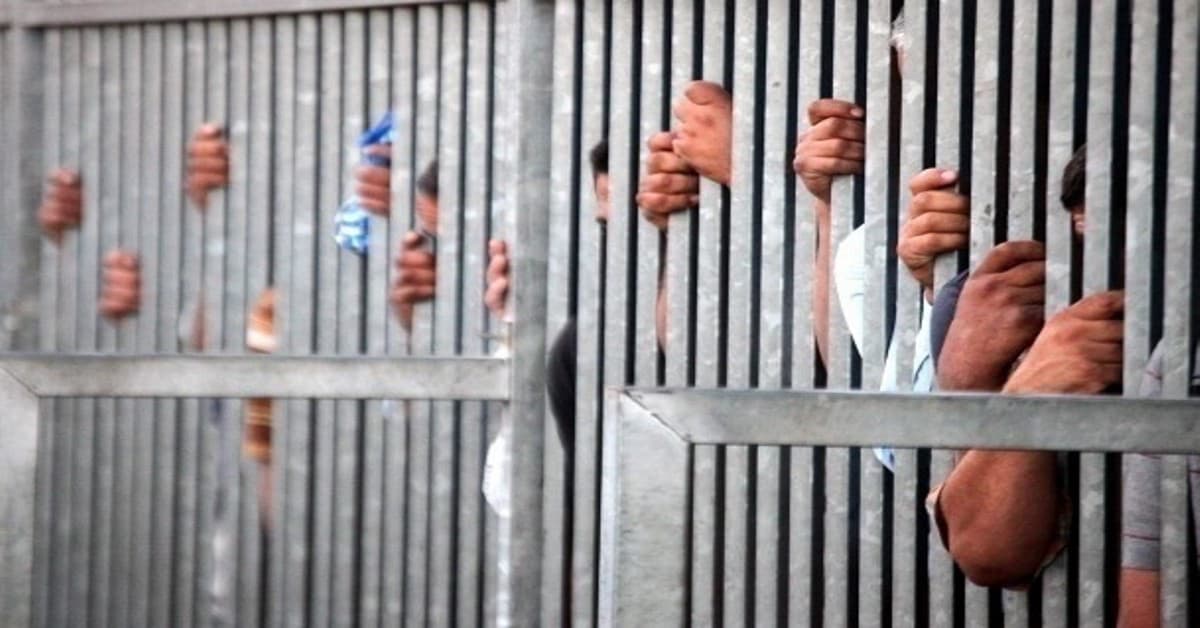
On paper, India’s prison system appears manageable. National averages suggest occupancy at around 121 percent, with budgets rising and new facilities coming online. However, the reality inside many jails is far more severe, with hundreds operating under conditions that strain even basic functioning.

New findings presented at a national consultation on prison overcrowding by the India Justice Report in collaboration with Prayas, a field action project of the Tata Institute of Social Sciences, highlight the depth of the crisis. More than 300 prisons across the country are running at twice their sanctioned capacity, creating conditions where adequate sleeping space, healthcare and supervision become difficult to maintain.

Individual institutions reveal extreme pressure points that national averages conceal. Delhi’s Central Jail No. 4 has seen overcrowding climb steadily since 2020, reaching 550 percent in 2023. Danapur Sub Jail in Bihar and Gumla district jail in Jharkhand have operated above 300 percent capacity, while Kandi Sub Jail in West Bengal touched 450 percent in 2022.

Undertrials Form The Core Of The Crisis

Contrary to common perception, overcrowding is not driven by a spike in convictions but by prolonged pre trial detention. Around 76 percent of India’s prison population consists of undertrials who have not been found guilty of any offence.

Many remain incarcerated for years while their cases move slowly through the justice system. The proportion of undertrials jailed for three to five years has nearly doubled over the past decade. In 2023, almost one in four undertrials had already spent between one and three years behind bars. In states such as West Bengal, Manipur and Jammu and Kashmir, the share is even higher.

Social inequalities also shape who remains trapped in this prolonged detention. Roughly two thirds of undertrials and nearly 70 percent of convicts belong to SC, ST or OBC communities, groups that often face barriers in accessing legal representation and securing bail.

Experts at the consultation stressed that building more prisons alone will not resolve the problem. Prof Vijay Raghavan of Prayas argued that reform should prioritise reducing incarceration through alternatives to custody rather than simply expanding infrastructure.

Severe Shortage Of Staff And Healthcare

Overcrowding is compounded by critical staffing gaps. Nationwide, about 30 percent of prison guard posts remain vacant, undermining security and supervision. Mental health support is almost non existent in many facilities. Despite guidelines mandating more than a thousand psychiatrists across prisons, only 65 posts have been sanctioned and just 35 filled.

Medical care is similarly stretched. On average, there is one doctor for every 797 prisoners, with some states reporting no dedicated prison doctors at all and relying on occasional visits from public hospitals.

Civil society groups working inside prisons say restricted access further worsens conditions. Social workers, who can help inmates navigate legal procedures and secure bail, are often denied entry in many states, even as religious groups are allowed regular access.

Early intervention can significantly reduce unnecessary detention, experts noted. Legal aid at the stage of arrest or shortly thereafter could prevent many individuals from entering the prison system in the first place. However, review committees meant to ease overcrowding have achieved limited results, releasing just over 1 percent of prisoners nationwide.

Despite rising budgets, daily expenditure on prisoners in several states remains below Rs 100 per person. With new criminal laws expected to increase incarceration rates further, experts warn that the strain on the system may intensify unless structural reforms address the root causes of prolonged detention.

For now, the crisis remains largely invisible outside prison walls, measured in statistics but lived as daily hardship by thousands waiting for justice to move.

Long or Short, get news the way you like. No ads. No redirections. Download Newspin and Stay Alert, The CSR Journal Mobile app, for fast, crisp, clean updates!

App Store –  https://apps.apple.com/in/app/newspin/id6746449540 

Google Play Store – https://play.google.com/store/apps/details?id=com.inventifweb.newspin&pcampaignid=web_share

Latest News

Popular Videos
