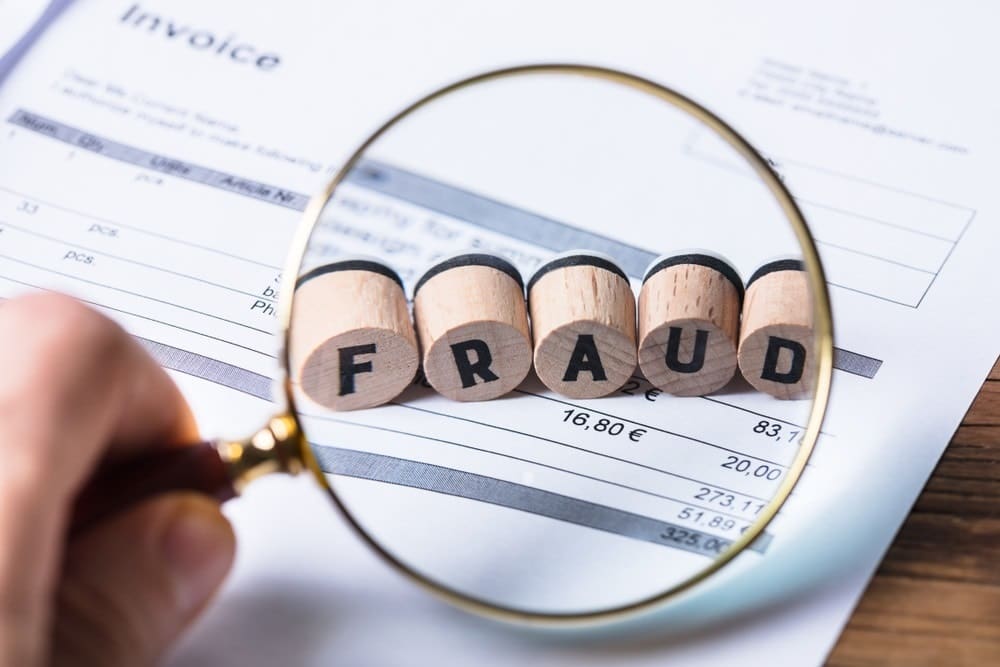
A carefully engineered property fraud has landed a 28-year-old Indian national behind bars, after an Australian court found he deliberately impersonated a solicitor to steal more than A$209,000 from a homebuyer.
Pardeep Pardeep, an Uber driver living in Sydney on a student visa, was sentenced in Liverpool Local Court to two years’ imprisonment after admitting to dishonestly obtaining property by deception and dealing with the proceeds of crime. The sentence includes a non-parole period of 14 months, backdated to his arrest, making him eligible for release as early as June. Immigration authorities have indicated he is likely to be deported after completing his sentence.
The court heard that the scam targetted a buyer in the midst of a property purchase in October 2024. The victim had legitimately engaged a Sydney law firm for conveyancing services, unaware that Pardeep had quietly inserted himself into the transaction.
According to evidence outlined in court and reported by The Sydney Morning Herald, Pardeep registered a website domain that closely mirrored the real firm’s address and created an email account designed to appear identical to that of the firm’s principal solicitor. He replicated professional signatures and correspondence styles, ensuring the communications raised no immediate suspicion.
Fake Firm, Fake Emails: How the Scam Took Shape
To reinforce the illusion, Pardeep established a company with a name almost indistinguishable from the genuine law firm, appointed himself as its sole director, and opened a business bank account with Westpac. Over several weeks, he exchanged emails with the victim before requesting funds for settlement costs and stamp duty.
On November 13, the victim transferred two payments totalling A$209,874 to the fraudulent account. The deception unravelled days later when the buyer contacted the actual law firm and discovered the payment instructions were fake.
Investigators later determined that only A$900 of the stolen money could be recovered. The remainder had been spent on gold bullion. CCTV footage from a gold dealer showed Pardeep making the purchases, and police also obtained photographs of him posing with the gold and screenshots of bank balances.
When questioned, Pardeep denied involvement in the fraud, claiming instead that he operated a transport business. Police found no evidence of customers or legitimate commercial activity. His lawyer later argued that he had been acting under the direction of another individual, but prosecutors told the court that their investigation found no such accomplice.
“He Knew Exactly What He Was Doing,” Magistrate Says
Magistrate Andrew Miller rejected the defence, describing the conduct as intentional and meticulously executed. “He knew exactly what he was doing and failed to take responsibility,” the magistrate said.
Emphasising the scale and planning behind the offence, Miller added: “This is a matter where there was detailed planning and premeditation.” “The value of property is significant … [it was] a calculated plan to go out and defraud over A$200k from an innocent party.”
In addition to the prison term, the magistrate ordered Pardeep to pay A$100,000 in restitution the maximum amount permitted under the Local Court’s jurisdiction. The victim has suffered severe financial loss and emotional distress as a result of the scam.
The case has renewed warnings from Australian authorities about conveyancing fraud, particularly email-based impersonation schemes that exploit the high-value nature of property transactions. Buyers and sellers are being urged to independently confirm payment instructions through verified contacts before transferring funds.