


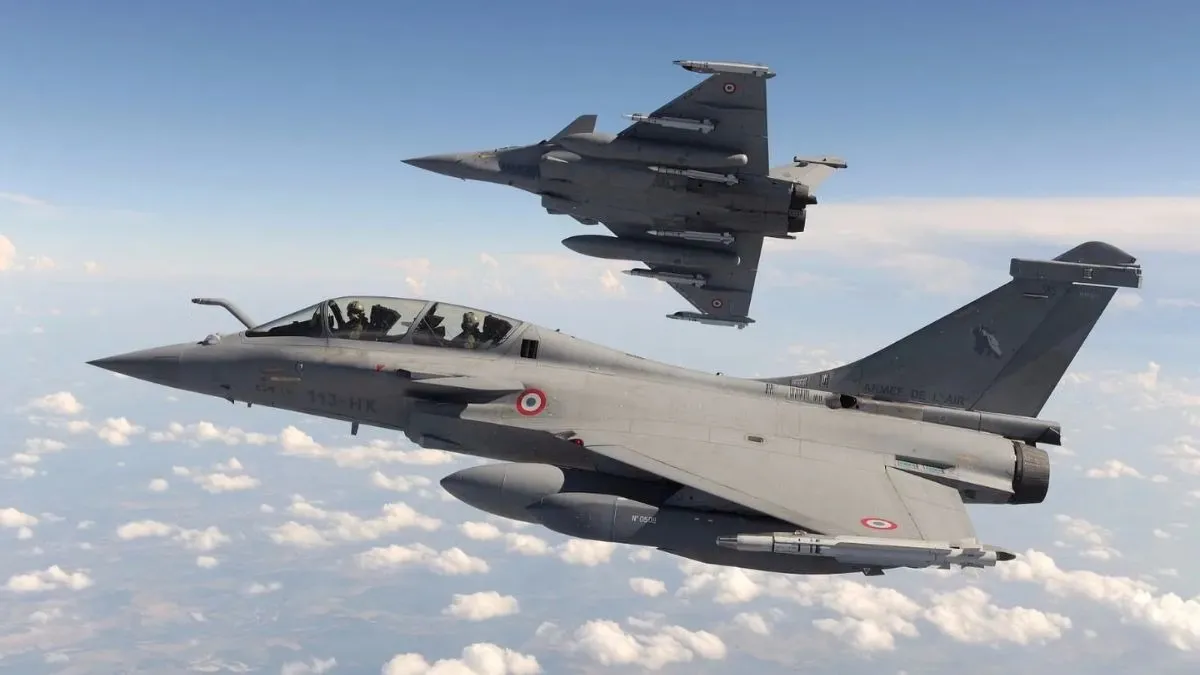

The Defence Acquisition Council (DAC) has officially approved the procurement of 114 Rafale fighter jets and six P8i maritime reconnaissance aircraft for the Indian Air Force (IAF). This critical decision follows the assessment and endorsement of the plan as “Acceptance of Necessity” (AoN), which is a key step in the defence procurement process. The DAC’s approval will now pave the way for formal negotiations with the French aerospace manufacturer Dassault Aviation, the company responsible for the Rafale jets.
Previous Approvals Set the Stage for Formal Negotiations
In the preceding month, a meeting of the Defence Procurement Board, chaired by the Defence Secretary, gave its preliminary nod to this acquisition proposal. This prior endorsement played a crucial role in the DAC’s eventual decision, illustrating the strategic importance placed on enhancing the IAF’s operational capabilities through advanced aircraft. With these approvals in place, discussions with Dassault Aviation are expected to advance rapidly, reflecting India’s ongoing commitment to modernizing its air force.
Significance of the Rafale and P8i Aircraft for the IAF
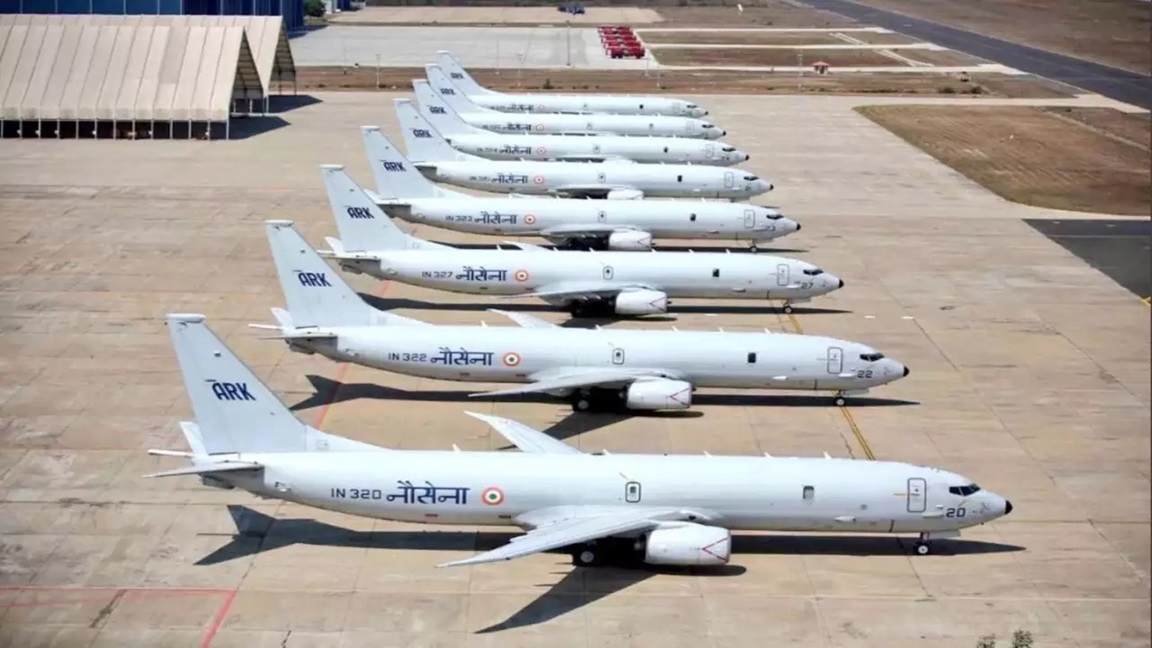
The Rafale fighter jets are known for their versatility, equipped for various combat scenarios that include air superiority, ground support, and nuclear deterrence missions. The addition of 114 Rafale jets will significantly bolster the IAF’s fleet, ensuring enhanced operational efficiency and potency. On the other hand, the P8i aircraft, an adaptation of the Boeing P-8 Poseidon, is vital for maritime reconnaissance missions, making it an essential asset for India’s naval capabilities. Together, these aircraft are expected to strengthen India’s defense infrastructure amidst regional security challenges.
Expected Timeline and Future Developments
Following the DAC’s recent approval, the formalization of the contract with Dassault Aviation is anticipated to occur in the coming months. This timeline is contingent upon the progress of negotiations and subsequent approvals that are part of the structured procurement process. The integration of these additional aircraft into the IAF is seen as a strategic move to enhance deterrence capabilities and ensure comprehensive air defense over critical areas.
Contextual Background on Past Acquisitions
The decision to acquire these aircraft blends with India’s broader strategy of fortifying its armed forces through modern technology and superior capabilities. The IAF has been in the process of upgrading its fleet compatible with current and future warfare scenarios. Over recent years, various deals have been initiated to enhance military assets, including significant purchases and collaborations with different international defense manufacturers.
Engagement with Local Industries and Future Collaborations
India’s government has expressed a focus on integrating domestic defense manufacturing capabilities with international partnerships. As part of this overarching strategy, it is anticipated that the acquisition of Rafales and P8is will also open avenues for Indian industries to develop complementary systems and technologies. Such collaborations could lead to job creation and skill enhancement in the local defense sector, strengthening India’s self-reliance in defense procurement.