


app-store-logo
play-store-logo
January 3, 2026

India Unveils First AI Clinic in Public Government Hospital
The CSR Journal Magazine

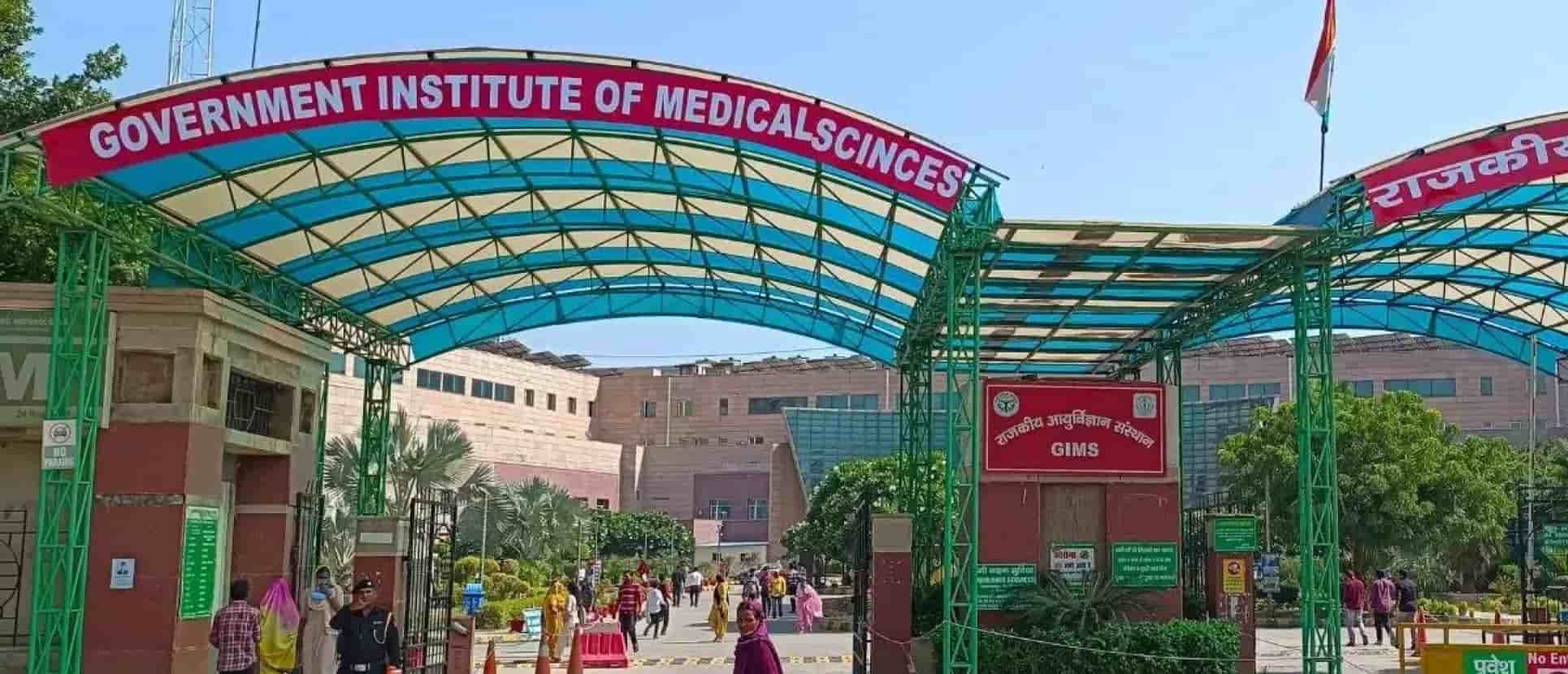
India has launched its first artificial intelligence clinic within a public hospital, marking a pivotal moment in the nation’s digital health transformation. Located at the Government Institute of Medical Sciences (GIMS) in Greater Noida, this groundbreaking facility promises to bridge the gap between cutting-edge AI innovation and everyday patient care. Unveiled on 2 January by Dr Sujata Chaudhary, Additional Director General of Health Services at the Ministry of Health and Family Welfare, the clinic represents a bold step towards democratising advanced technology in government healthcare.

The launch event, attended virtually by over 200 healthcare professionals, policymakers, and innovators, highlighted the clinic’s role as a testing ground for clinical innovation. With the Indian Institute of Technology Kanpur (IIT Kanpur) as its ecosystem partner, the facility integrates clinicians, startups, and academics to develop and validate AI solutions in real clinical settings. Brigadier Dr Rakesh Kumar Gupta, Director of GIMS, emphasised that the clinic addresses a critical challenge: ensuring AI tools are “clinically meaningful, ethically grounded, and designed to support doctors and patients.”

This initiative comes at a time when India grapples with overburdened public hospitals and a shortage of specialists. By embedding AI directly into routine operations at the 630-bed GIMS facility, the government aims to enhance diagnostics, streamline workflows, and improve patient outcomes without compromising safety or ethics.

Testing Ground for Real-World AI Innovation

At the heart of the AI Clinic is the Centre for Medical Innovation, India’s pioneering medical incubator within a public hospital, operating under the Uttar Pradesh government’s Department of Medical Education. This centre already nurtures over 40 startups, with nearly half focusing on AI-driven healthcare solutions. The clinic provides startups unprecedented access to doctors, anonymised patient data, and hospital systems, all governed by strict protocols for data protection and patient consent.

Monthly engagements between clinicians and innovators facilitate rapid iteration, allowing AI tools to be tested against genuine clinical challenges. From AI-assisted radiology for early cancer detection to predictive analytics for managing chronic diseases like diabetes—prevalent in India—these solutions target high-impact areas. Col Dr Ashok Puranik, Executive Director of AIIMS Guwahati, who participated in the launch, noted that such embedded models will accelerate validation, moving AI from prototypes to practical deployment.

The partnership with IIT Kanpur brings academic rigour, offering mentorship, technical validation, and incubation support. This collaboration ensures innovations are scalable and sustainable, particularly for resource-constrained public health systems serving India’s 1.4 billion population.

National Momentum in AI Healthcare Adoption

The GIMS AI Clinic fits seamlessly into India’s ambitious national AI healthcare push. The Ministry of Health has established Centres of Excellence for AI at premier institutions like AIIMS Delhi, PGIMER Chandigarh, and AIIMS Rishikesh. Backed by over $1 billion in government funding, these efforts complement initiatives like the Ayushman Bharat Digital Mission, which aims to create a unified digital health ecosystem.

Aman Sharma, Joint Secretary for Medical Devices at the Department of Pharmaceuticals, underscored during the launch that the clinic offers a replicable blueprint for other government hospitals nationwide. Early focus areas include triage optimisation in emergency departments, where AI could reduce wait times by analysing symptoms and vital signs, and remote monitoring for rural patients via mobile AI apps.

Experts predict this could alleviate India’s doctor-to-patient ratio crisis—one physician per 1,445 citizens, far below WHO standards. By augmenting human expertise rather than replacing it, AI promises to extend specialist care to underserved areas, potentially saving lives and cutting costs.

Path to Scalable, Ethical AI Transformation

Looking ahead, the clinic prioritises ethical AI governance, with frameworks ensuring bias mitigation, transparency, and accountability. Patient privacy remains paramount, adhering to India’s Digital Personal Data Protection Act. Success metrics will track clinical adoption rates, improved outcomes, and cost savings, with plans to expand to 10 more public hospitals within two years.

This launch signals India’s readiness to lead in ethical AI healthcare. As Dr Chaudhary stated, “We are not just building technology; we are building trust in AI for public health.” For patients in Greater Noida and beyond, the clinic heralds an era where artificial intelligence enhances compassionate care, making advanced medicine accessible to all.

Long or Short, get news the way you like. No ads. No redirections. Download Newspin and Stay Alert, The CSR Journal Mobile app, for fast, crisp, clean updates!

App Store –  https://apps.apple.com/in/app/newspin/id6746449540 

Google Play Store – https://play.google.com/store/apps/details?id=com.inventifweb.newspin&pcampaignid=web_share

Latest News

Popular Videos
