


app-store-logo
play-store-logo
February 25, 2026

India to Launch HPV Vaccination for Girls; Male Vaccination Also Encouraged
The CSR Journal Magazine

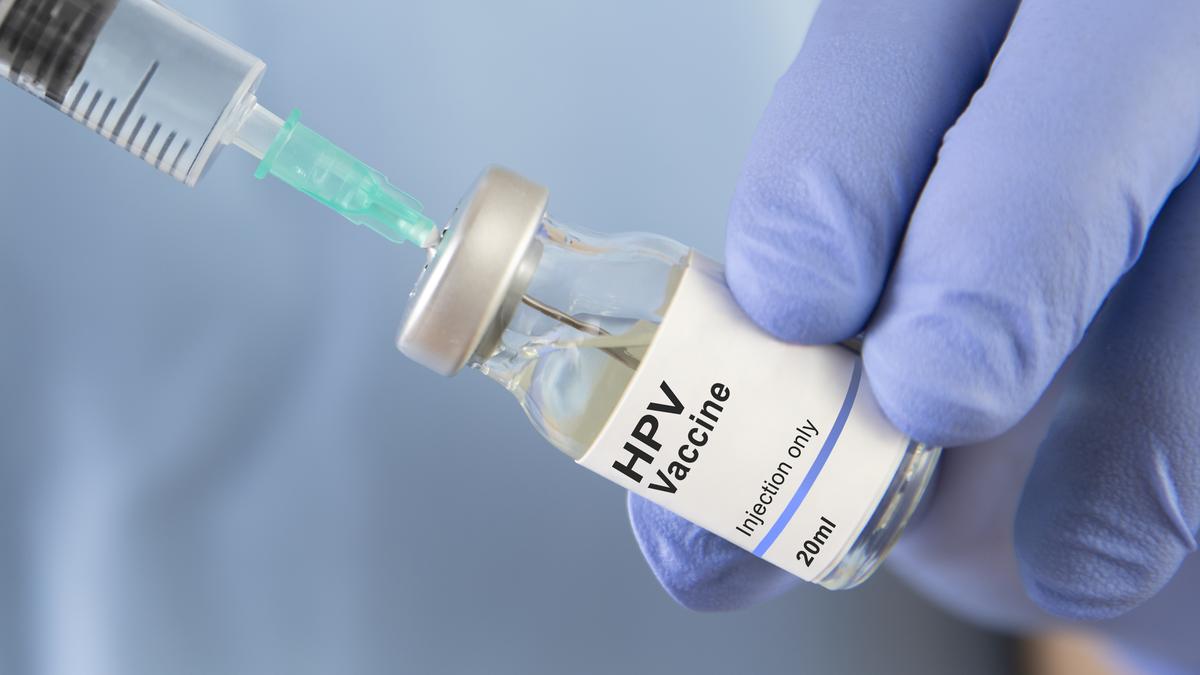
The Indian Government is preparing to introduce the Human Papillomavirus (HPV) vaccine for 14-year-old girls nationwide. This initiative aims to tackle the significant burden of cervical cancer in the country, following recommendations for its inclusion in the national immunization program from health authorities.

The vaccination is seen as a crucial step in reducing the incidence of this disease, which affects many women across India.

HPV’s Impact on Men’s Health

It is essential to recognize that HPV is not solely a women’s health concern. The virus is also linked to various health issues in men, including genital warts and cancers such as penile, anal, and oropharyngeal cancers. Experts advocate for the vaccination of adolescent boys to lower their chances of contracting and transmitting the virus in the future, thereby enhancing overall public health outcomes.

Transmission and Risks of HPV

HPV is primarily spread through direct skin-to-skin contact during vaginal, anal, or oral sexual activities. The virus can infect various body parts, including the vulva, vagina, penis, scrotum, rectum, and anus. Some high-risk strains are known to cause precancerous changes, which may subsequently lead to cancer. Vaccination is an effective method to protect against many of these strains and the associated health risks.

Experts Support Vaccination for Boys

Dr. Manish Mann, Head of Paediatrics and Neonatology at Paras Health, Gurugram, highlights that HPV vaccinations for boys are beneficial from a preventive health perspective. Vaccinating boys at an early age can safeguard them from various HPV-related health issues, including penile cancer, anal cancer, throat cancer, and genital warts, all of which have shown an upward trend in incidence in recent years.

Statistics on HPV-Related Cancers

Data from GLOBOCAN 2022 indicates that India recorded over 10,000 cases of penile cancer in one year; although anal cancer is less common, its rates are increasing, frequently due to HPV.

Additionally, evidence suggests that oropharyngeal cancers in Indian men are on the rise, with this type constituting 63.2 percent of all HPV-related male cancers. The frequency of genital warts among Indian males, primarily caused by HPV types 6 and 11, has also been reported to vary between 2 to 25 percent in sexually transmitted infection clinics.

Broader Protection Against HPV

In women, the benefits of vaccination stretch beyond cervical cancer, offering protection against other types of cancers such as vaginal and vulvar cancers. Dr. Sachin Sekhar Biswal, a medical oncologist, notes that immunizing boys early can curb the spread of HPV within communities while providing extensive long-term health advantages for future generations.

Available HPV Vaccines and Cost Considerations

Currently, three manufacturers provide HPV vaccines in India. Merck & Co. offers Gardasil 4 and Gardasil 9, while GlaxoSmithKline provides Cervarix, and Serum Institute of India produces Cervavac. Cervarix is effective against HPV types 16 and 18, which are responsible for a significant proportion of cervical and anal cancers.

Gardasil 4 and Cervavac target types 6, 11, 16, and 18, whereas Gardasil 9 provides the most comprehensive coverage against nine HPV types. Each dose of Gardasil 9 costs approximately Rs 10,500, totaling around Rs 32,000 for the recommended three doses. This high expense raises concerns about accessibility and equity in HPV prevention across different socio-economic groups in India.

Long or Short, get news the way you like. No ads. No redirections. Download Newspin and Stay Alert, The CSR Journal Mobile app, for fast, crisp, clean updates!

App Store –  https://apps.apple.com/in/app/newspin/id6746449540 

Google Play Store – https://play.google.com/store/apps/details?id=com.inventifweb.newspin&pcampaignid=web_share

Latest News

Popular Videos
