


India to Enforce New Solid Waste Rules from April 1, Pushes Segregation and Accountability
The CSR Journal Magazine

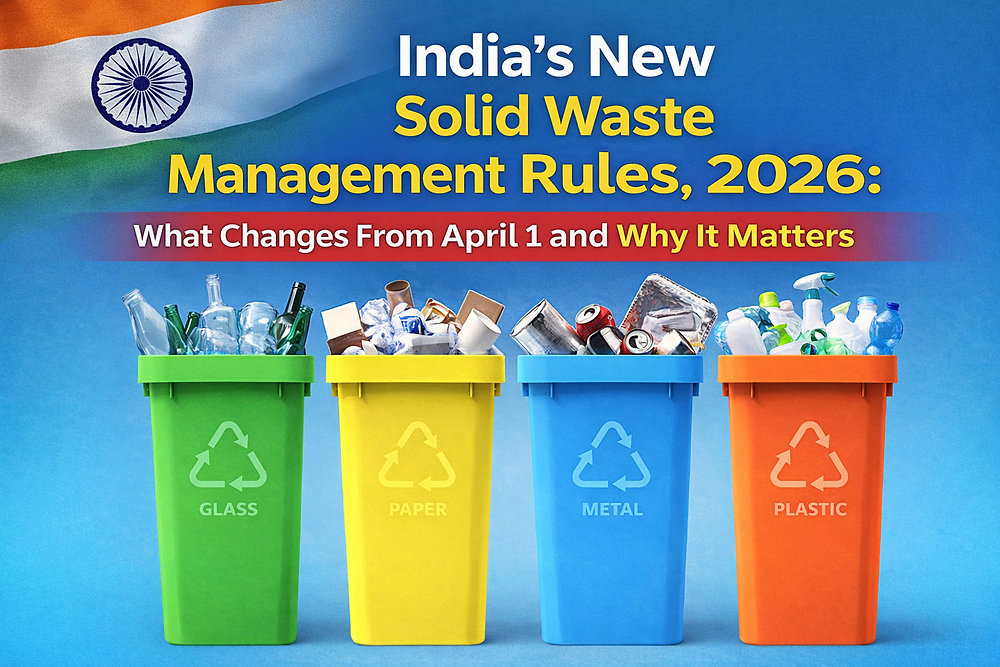
India is set to transform its waste management practices with the implementation of the Solid Waste Management Rules, 2026, as notified by the Ministry of Environment, Forest and Climate Change on January 27. These rules are scheduled to come into effect on April 1, replacing outdated regulations that have not kept pace with the country’s growing waste challenges. The new framework emphasizes accountability for waste producers, enhanced tracking systems, and a defined timeline for cleaning up existing landfill sites. Additionally, authorities will be empowered to seek financial penalties from polluters, making them liable for environmental damage.

Mandatory Waste Segregation

One of the most significant changes for households and businesses will be the mandatory segregation of waste at its source. Under the new guidelines, waste must be classified into four categories: wet waste, dry waste, sanitary waste, and waste requiring special care. This replaces the previously implemented and less effective two-bin system. Large generators of waste, such as residential complexes, hotels, shopping malls, and industrial units, must now adhere to legal obligations, ensuring that their waste is appropriately collected, transported, and processed.

Enhanced Monitoring and Tracking

The updated rules will introduce advanced online tracking and monitoring throughout all stages of solid waste management. This entails a centralized system for tracking each phase, from collection to transportation, processing, and eventual disposal. Such measures aim to ensure transparency and accountability in waste management practices across the country.

Landfill Restrictions and Environmental Concerns

The new regulations are expected to tighten restrictions on landfilling, which has traditionally been the primary method of waste disposal in India. Landfills have been a major source of methane emissions and have led to incidents like the fires observed at sites such as Delhi’s Ghazipur. To address these issues, the new framework includes a time-bound action plan aimed at remediating existing dump sites, thereby mitigating their environmental impact.

Improving Industrial Waste Management

For industrial waste, cement plants and waste-to-energy facilities will be required to increase their usage of Refuse Derived Fuel (RDF). RDF is a processed form of waste used as a substitute for fossil fuels, and the new directive aims to raise the utilization rate from 5% to 15% over the next six years. This initiative is intended to divert waste from landfills and promote its productive use. Furthermore, specific provisions for waste management in challenging terrains such as hilly areas and islands have been included, recognizing the need for varied approaches across India’s diverse geography.

Enforcement and Implementation Measures

An essential aspect of the new framework is the establishment of environmental compensation measures for violators. Both Central and State-level committees will be responsible for ensuring timely implementation of the rules. The Central Pollution Control Board (CPCB) has already formed a Central Implementation Committee to oversee these efforts. Previous regulations that were put in place in 2016 faced challenges due to inadequate enforcement, leaving questions about the effectiveness of the new measures and their ability to drive lasting change.

Long or Short, get news the way you like. No ads. No redirections. Download Newspin and Stay Alert, The CSR Journal Mobile app, for fast, crisp, clean updates!

App Store –  https://apps.apple.com/in/app/newspin/id6746449540 

Google Play Store – https://play.google.com/store/apps/details?id=com.inventifweb.newspin&pcampaignid=web_share

Latest News

Popular Videos
