


India Proposes Major Dam Project Amid Protests in Arunachal Pradesh
The CSR Journal Magazine

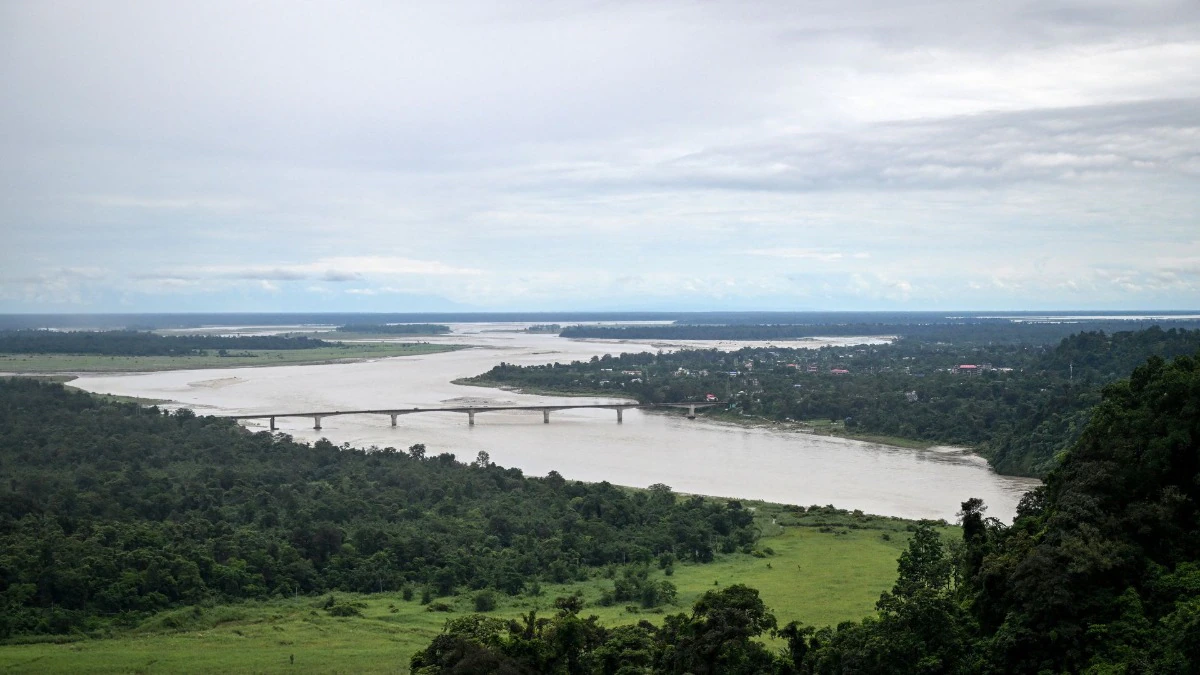
India’s plan for an 11,200-MW dam on the Siang River is being presented as a strategic measure to counter China’s extensive hydropower initiatives on the Brahmaputra. However, this proposal has sparked significant opposition from the indigenous Adi community in Arunachal Pradesh, leading to protests that escalated into violence on October 23.

Reports indicate damage to local political offices, a police station, and the headquarters of the National Hydroelectric Power Corporation (NHPC), which is responsible for the dam’s implementation. The Siang River, which originates in Tibet, serves as a crucial resource for local communities before merging with other rivers to form the Brahmaputra.

The proposed dam aims to bolster India’s water security in light of China’s increasing influence over the river’s upper reaches. The Adi Banne Kebang, a community organisation, has been at the forefront of the protests, demanding the cancellation of the Siang Upper Multipurpose Project (SUMP) and the rejection of its Pre-Feasibility Report (PFR).

Local sentiments against the dam are rooted in concerns over its impact on ancestral lands, livelihoods, and cultural identity. The protests have gained momentum, particularly among younger generations, who are reacting to perceived heavy-handedness from law enforcement during demonstrations.

Govt Response and Security Measures

The Arunachal Pradesh government, led by Chief Minister Pema Khandu, has asserted its commitment to conducting feasibility studies for the dam. Following the violent protests, the Centre dispatched two companies of the Central Reserve Police Force’s Rapid Action Force to the region to maintain order. Khandu has reiterated that no final decision on the dam’s construction will be made without thorough assessments and community consultations.

Despite the government’s assurances, the Adi community remains sceptical. They argue that the proposed dam threatens their way of life and cultural heritage. Journalist Tongam Rina has highlighted that the opposition has persisted for nearly four decades, intensifying in recent years due to rising tensions over the project.

The community’s apprehension is exacerbated by the government’s portrayal of protesters as anti-national. In a bid to address misinformation, Khandu has engaged with local organisations to clarify the project’s objectives and its strategic significance. He emphasised the need for transparency and open dialogue to alleviate fears surrounding the SUMP.

Strategic Implications of the Siang Dam

The Indian government views the Siang dam as a crucial buffer against potential disruptions caused by China’s hydropower developments. China is currently constructing a massive dam in Tibet’s Medong county, which has raised alarms regarding its implications for water flow management in downstream regions, including India and Bangladesh. Experts warn that changes in water release patterns could pose significant risks for flood management and water security.

The SUMP is anticipated to offer substantial live storage capacity, potentially moderating fluctuations in river flow and aiding in flood management. The government argues that if executed properly, the dam could enhance India’s energy security and foster economic development in Arunachal Pradesh.

However, local opposition remains strong, with community leaders asserting that the dam’s construction could lead to the submergence of ancestral lands and the destruction of local ecosystems. The Siang Indigenous Farmers’ Forum has voiced concerns that permitting surveys for the dam could pave the way for irreversible changes to the landscape.

As the situation continues to evolve, the conflict highlights the complex interplay between national security interests and the rights of local communities, with both sides firmly entrenched in their respective positions. The outcome of this dispute will have lasting implications for the region’s ecological and socio-political landscape.

Long or Short, get news the way you like. No ads. No redirections. Download Newspin and Stay Alert, The CSR Journal Mobile app, for fast, crisp, clean updates!

App Store – https://apps.apple.com/in/app/newspin/id6746449540

Google Play Store – https://play.google.com/store/apps/details?id=com.inventifweb.newspin&pcampaignid=web_share

Latest News

Popular Videos
