


app-store-logo
play-store-logo
January 9, 2026

India Gets Virtual ICU-Style Home Care Powered by AI and Wearables
The CSR Journal Magazine

A new chapter in India’s fast-evolving healthcare landscape opened this week with the launch of a virtual ICU-style home care platform by iLive Connect. The initiative seeks to bring continuous, doctor-led medical supervision out of hospital wards and into patients’ homes, addressing long-standing gaps in how chronic and elderly care is delivered across the country.

Announced on January 9, the platform combines wearable biosensors, artificial intelligence and a round-the-clock medical command centre to monitor patients in real time. Founded by cardiovascular surgeon Dr. Rahul Chandola and interventional cardiologist Dr. Viveka Kumar, iLive Connect positions itself as a “virtual ICU” that functions continuously rather than episodically, mirroring the vigilance typically available only in intensive care units.

As India grapples with an ageing population, rising chronic diseases and stretched hospital infrastructure, the promise of continuous home-based monitoring has gained renewed urgency. Platforms like iLive Connect aim to move healthcare from reactive treatment to proactive prevention, a shift many experts believe is essential for the country’s next phase of health reform.

Bridging the Gap between Hospitals and Homes

One of the central challenges in Indian healthcare has been the sharp drop-off in medical supervision once a patient leaves the hospital. Follow-up visits are often infrequent, symptoms are self-reported, and deterioration can go unnoticed until it becomes an emergency. iLive Connect is designed to fill this gap by acting as a constant clinical presence at home.

The platform integrates FDA- and CE-approved wearable biosensors that track vital parameters such as heart rate, respiratory rate, oxygen saturation and other physiological indicators. These readings are transmitted continuously to a central command centre staffed by specialist doctors who can assess trends rather than isolated data points. By functioning more like an ICU than a traditional teleconsultation service, the system focuses on ongoing oversight instead of on-demand advice.

According to the company, the model is particularly relevant in urban nuclear households and for Indian families living abroad who care for elderly relatives from a distance. Real-time alerts and updates allow caregivers to stay informed, while medical teams can intervene early if warning signs emerge.

Targeting Chronic Disease Management at Scale

Chronic diseases account for a growing share of India’s disease burden, with conditions such as diabetes, hypertension, asthma and heart failure requiring lifelong monitoring rather than episodic care. iLive Connect has positioned chronic disease management at the core of its offering, arguing that continuous data can dramatically improve outcomes.

Instead of relying solely on periodic check-ups, the platform’s analytics engine studies long-term patterns in a patient’s vitals. Subtle deviations that might precede a clinical episode can be flagged before symptoms become obvious. This predictive approach is intended to reduce emergency hospitalisations and allow doctors to adjust treatment plans in a timely manner.

Dr. Chandola has said the idea was to extend the discipline and vigilance of hospital care beyond physical walls, using technology to keep patients under medical observation without confining them to a bed. Dr. Kumar has emphasised that while AI plays a crucial role in analysing data, human clinical judgement remains central to decision-making, ensuring that technology supports rather than replaces doctors.

AI, Wearables and a 24/7 Medical Command Centre

At the heart of the platform is a technology stack that blends hardware, software and clinical expertise. Wearable sensors capture continuous data streams, while AI-powered systems filter noise, identify risk patterns and prioritise alerts that require immediate attention.

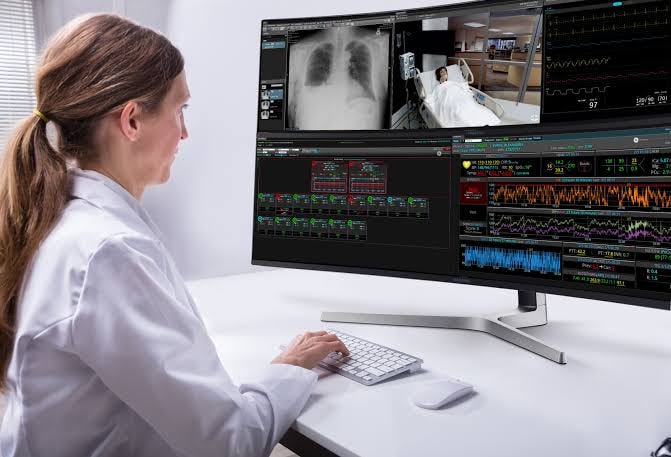
These alerts are reviewed by specialist doctors at the command centre, which operates around the clock. The presence of clinicians, rather than only technicians, is a key differentiator the company highlights. It allows the platform to escalate concerns quickly, recommend interventions, or coordinate with the patient’s existing doctors and nearby hospitals if required.

The approach reflects a broader trend in digital health, where passive monitoring is giving way to active clinical engagement. By layering human supervision over automated analytics, iLive Connect aims to balance efficiency with accountability, a concern often raised around AI-driven healthcare tools.

A Response to Systemic Shortages in Critical Care

India’s healthcare system continues to face an uneven distribution of specialists, particularly intensivists. Industry estimates suggest that only around half of Indian hospitals have access to trained critical care specialists, a shortfall that became starkly visible during the COVID-19 pandemic.

Virtual ICU and remote monitoring models have emerged as one way to extend specialist reach without physically relocating doctors. By centralising expertise and distributing care digitally, platforms like iLive Connect can support patients in smaller cities or at home while leveraging limited specialist resources more effectively.

The timing of the launch also aligns with government-led digital health initiatives such as the National Digital Health Mission, which aim to create interoperable, technology-driven healthcare ecosystems. As policy, infrastructure and consumer awareness converge, home-based virtual care is increasingly seen as a viable complement to traditional hospitals.

Market Potential and the Road Ahead

Remote patient monitoring in India has expanded rapidly since the pandemic, with teleconsultations reportedly rising by several hundred per cent during that period. Analysts estimate that the broader tele-ICU and remote monitoring market could represent a multi-billion-dollar opportunity over the next decade, driven by cost pressures, workforce shortages and patient preference for home care.

iLive Connect has positioned itself as an additional layer of care rather than a replacement for existing doctors or hospitals. By working alongside a patient’s primary physicians, the platform aims to integrate into established care pathways instead of disrupting them entirely.

For families, especially those managing long-term illness or ageing parents, the promise lies in peace of mind as much as clinical outcomes. Continuous monitoring, early alerts and specialist oversight could reduce uncertainty and prevent avoidable emergencies. As adoption grows, the success of such platforms will likely depend on trust, clinical results and their ability to scale without compromising quality.

With its virtual ICU model, iLive Connect is betting that the future of Indian healthcare will be as much about intelligent monitoring and early intervention as it is about bricks-and-mortar hospitals. If that bet pays off, intensive care may no longer be confined to hospital corridors, but become a quiet, constant presence in homes across the country.

Long or Short, get news the way you like. No ads. No redirections. Download Newspin and Stay Alert, The CSR Journal Mobile app, for fast, crisp, clean updates!

App Store –  https://apps.apple.com/in/app/newspin/id6746449540 

Google Play Store – https://play.google.com/store/apps/details?id=com.inventifweb.newspin&pcampaignid=web_share

Latest News

Popular Videos
