


app-store-logo
play-store-logo
February 22, 2026

India Enforces Five No-Fly Zones, Bans Aircraft and Drones in Sensitive Areas
The CSR Journal Magazine

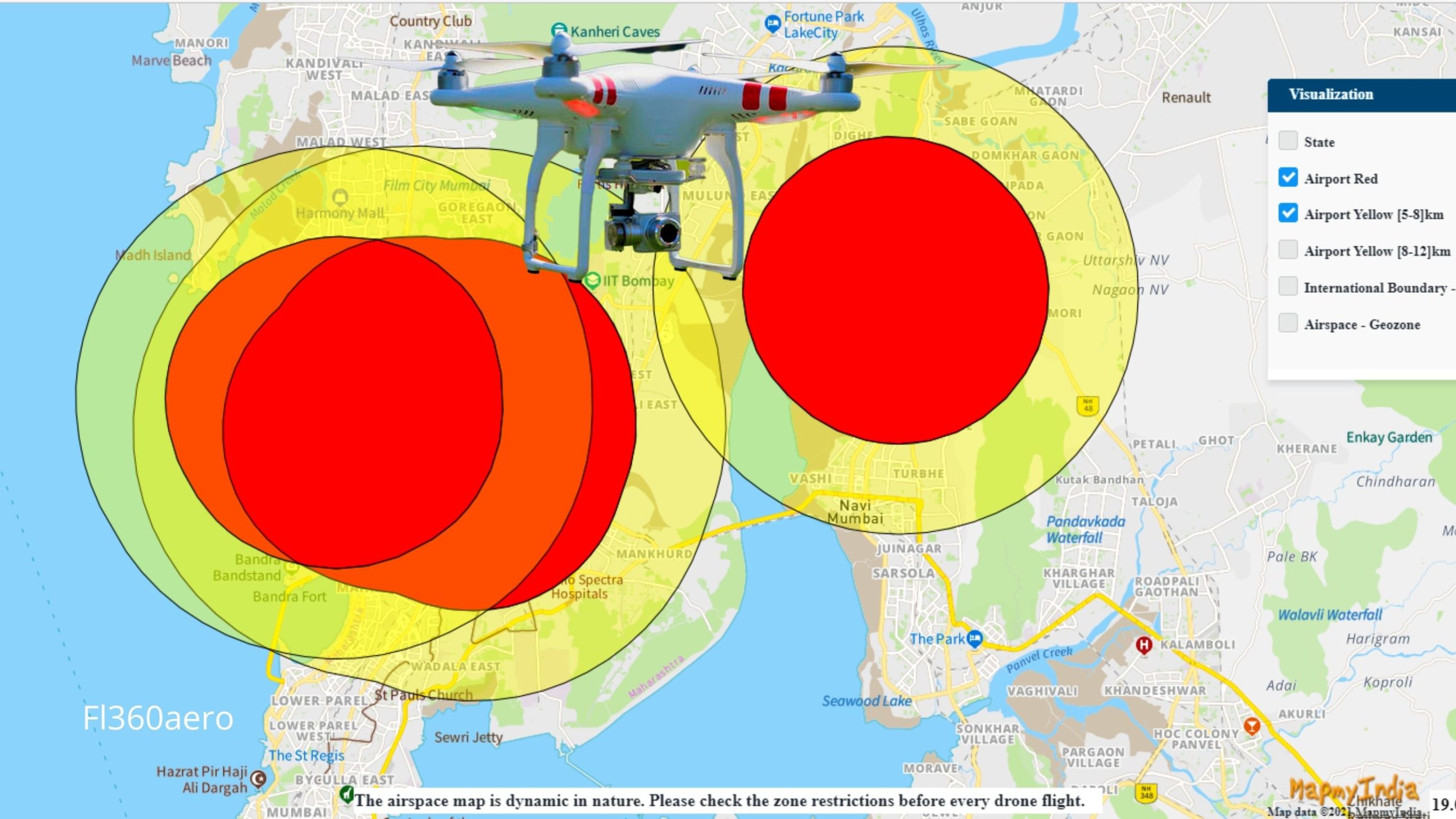
India has designated five highly sensitive areas as no fly zones, where neither aircraft nor drones are permitted to operate. These restrictions are in place due to national security concerns and the presence of critical governmental and scientific operations. Violations of these prohibitions can lead to severe penalties, ensuring that the integrity of these sensitive sites is maintained.

Identified No Fly Zones

The first no fly zone is located in the vicinity of the Rashtrapati Bhavan in New Delhi. This area is considered a vital symbol of the Indian state and houses the official residence of the President of India. To safeguard it from any potential aerial threats, strict regulations are enforced, including a complete ban on flights above this territory.

The next designated no fly zone is near the Indian Parliament, also situated in New Delhi. This site serves as the heart of India’s democracy where legislative discussions and critical decisions take place. The prohibition extends to both manned and unmanned aerial vehicles, ensuring that the airspace remains secure from unauthorized access.

The third no fly zone includes the regions surrounding strategic military establishments. Several military bases across the country fall under this category, which is crucial for operations related to national defense. The airspace above these bases is strictly monitored, and any unauthorized flight can result in immediate action by the defense forces.

The fourth area is the space above important research institutions, including those that are part of India’s space and nuclear programs. These sites conduct sensitive scientific activities that could be compromised by unauthorized surveillance or interference from the air. Thus, flying over these labs is strictly regulated.

Lastly, the fifth no fly zone pertains to specific tribal areas where aerial activities can disrupt the local ecosystem and cultural practices. These regions have been designated as sensitive due to their unique demographics and cultural significance. The regulations aim to preserve the rights and traditions of indigenous communities and to maintain their way of life without external disturbances.

Regulatory Measures and Enforcement

The enforcement of no fly zones in India involves a combination of surveillance technology and legal measures. Government agencies collaborate to monitor airspace, employing radar systems and real-time tracking of aerial vehicles. Violators may face legal actions, including fines and potential imprisonment, depending on the severity of the infringement.

Additionally, awareness campaigns have been introduced to educate the public about the importance of these no fly zones. Authorities emphasize the necessity of these regulations for the safety of national infrastructure and the well-being of residents in and around the restricted areas.

In conclusion, the implementation of no fly zones in India plays a vital role in safeguarding sensitive locations. This regulatory framework reflects the country’s commitment to national security while balancing the need for technological advancements and scientific research. The strict adherence to these airspace restrictions is essential for maintaining the stability and security of the nation’s critical sites.

Long or Short, get news the way you like. No ads. No redirections. Download Newspin and Stay Alert, The CSR Journal Mobile app, for fast, crisp, clean updates!

App Store –  https://apps.apple.com/in/app/newspin/id6746449540 

Google Play Store – https://play.google.com/store/apps/details?id=com.inventifweb.newspin&pcampaignid=web_share

Latest News

Popular Videos
