


app-store-logo
play-store-logo
December 11, 2025

Are You Eating Enough Quality Protein? Half of India Isn’t
The CSR Journal Magazine

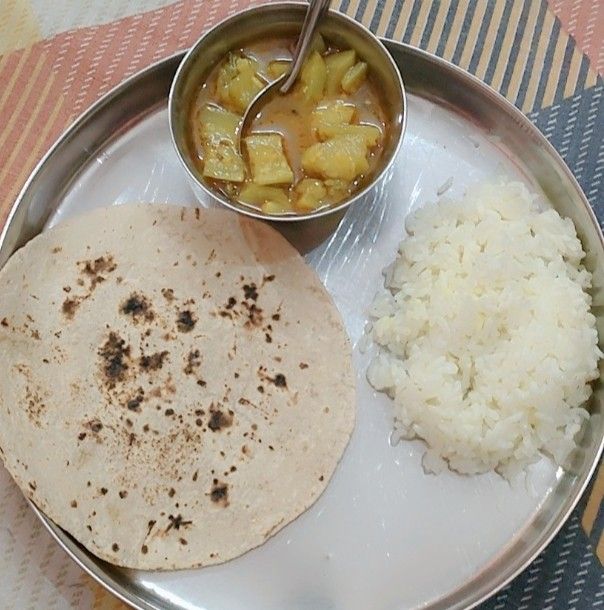
A new national study has raised alarm over a quiet yet serious problem in India’s nutrition landscape. Nearly half of the protein consumed in Indian homes now comes from cereals such as rice, wheat, suji, and maida, even though these foods offer poor amino acid quality and lower digestibility. The analysis, released this week by the Council on Energy, Environment and Water, is based on fresh 2023-24 National Sample Survey Office household consumption data. It shows that cereals contribute almost 50 per cent of the protein in Indian diets, far higher than the 32 per cent recommended by the Indian Council of Medical Research’s National Institute of Nutrition. Although the average Indian today consumes 55.6 grams of protein per day, the heavy dependence on cereal-derived protein signals deeper nutritional concerns.

A Silent Crisis Behind Adequate Protein Numbers

The report warns that India may be meeting quantitative protein needs but is failing on protein quality. Cereals lack several essential amino acids and are less digestible compared to pulses, milk, eggs, and other animal or plant-based protein sources. Experts say this imbalance is one of the reasons malnutrition indicators continue to persist despite rising food availability. “This study spotlights a silent crisis in India’s food system: over-reliance on low-quality proteins, excess calories from cereals and oils, and stark under-consumption of diverse, nutrient-rich foods,” said Apoorve Khandelwal, a fellow at the council.

Alongside this protein distortion, overall calorie intake has fallen in many parts of the country, pointing to shifting food habits. Meanwhile, carbohydrate consumption remains dominated by cereals, which provide nearly three-fourths of total carbohydrate intake. Indians continue to eat cereals at 1.5 times the recommended daily allowance, a pattern strengthened by subsidised rice and wheat distributed through the Public Distribution System.

Deep Inequalities in Diet Quality

The study highlights a clear divide in nutrition between income groups. India’s richest 10 per cent consume at least 1.5 times more protein than the poorest households. Weekly consumption patterns show striking differences. A person from a low-income family typically drinks only two to three glasses of milk in a week and eats fruit equal to two bananas. In contrast, someone in the highest income group drinks eight to ten glasses of milk and consumes eight to ten bananas in the same period. This contrast reflects how economic status shapes dietary diversity, particularly access to high-quality proteins, fresh produce, and micronutrient-rich foods.

Such disparities reinforce long-standing concerns about hidden hunger, where diets may deliver calories but fail to provide essential nutrients. Experts say the issue is no longer limited to rural or poor households alone but spans both urban and rural regions, shaped by affordability, food preferences, and government provisioning patterns.

A System Skewed Towards Cereals and Oils

The dominance of cereals is accompanied by rising fat intake. The proportion of households consuming more than 1.5 times the recommended fat levels has more than doubled over the past decade. Wealthier families consume nearly twice as much fat as lower-income groups, a trend that nutritionists link to growing urbanisation, eating-out culture, and increased use of cooking oils.

At the same time, India’s traditional coarse grains—jowar, bajra, and ragi—have declined sharply in daily diets. The study notes a steep 40 per cent drop in per capita consumption of these grains over the past ten years. As a result, Indians now meet only about 15 per cent of the recommended intake for these nutrient-rich staples. These grains are naturally higher in fibre, essential minerals, and better-quality protein, yet they continue to be replaced by polished rice and refined wheat products.

Coarse Grains in Retreat, Health Risks Rising

The decline of coarse grains has broader implications for public health. Nutritionists argue that replacing coarse grains with refined cereals contributes to rising cases of diabetes, obesity, and metabolic disorders. These concerns echo the findings of a September 2024 ICMR–India Diabetes study, which classified the Indian diet as dominated by low-quality carbohydrates, high saturated fat, and insufficient quality protein.

Moreover, the fall in dietary diversity is not limited to grains. Consumption of pulses, fruits, vegetables, eggs, and milk remains below recommended levels for a significant share of the population. This shrinking diversity, experts say, reduces the intake of vitamins, minerals, and bioactive compounds essential for long-term health, making Indians more vulnerable to non-communicable diseases.

Urgent Call for Policy Reform

The council’s study calls for sweeping reforms in public food programmes. It suggests reworking the Public Distribution System, the PM POSHAN midday meal scheme, and the Saksham Anganwadi programme to shift away from cereal-heavy menus and ensure regular inclusion of pulses, coarse grains, milk, eggs, fruits, and vegetables. Such a transition, the report notes, will not only improve nutrition but also support farmers growing millet and pulse varieties.

Policy experts also stress the need for stronger messaging around balanced diets, better monitoring of food quality, and incentives for states to diversify their food baskets. Some states have already begun distributing millets through public schemes, but coverage remains uneven.

A Moment for Rethinking India’s Diets

The findings arrive at a time when India is attempting to promote millets globally and encourage healthier food habits under various national missions. However, the ground reality shows persistent gaps in access, affordability, and public provisioning. The report concludes that improving the quality of India’s protein intake is not just a dietary issue but a question of equity, public health, and long-term sustainability. A shift toward more diverse, nutrient-rich foods, it says, is essential to prevent a growing health burden and address the silent nutritional crisis unfolding across the country.

Long or Short, get news the way you like. No ads. No redirections. Download Newspin and Stay Alert, The CSR Journal Mobile app, for fast, crisp, clean updates!

App Store –  https://apps.apple.com/in/app/newspin/id6746449540 

Google Play Store – https://play.google.com/store/apps/details?id=com.inventifweb.newspin&pcampaignid=web_share

Latest News

Popular Videos
