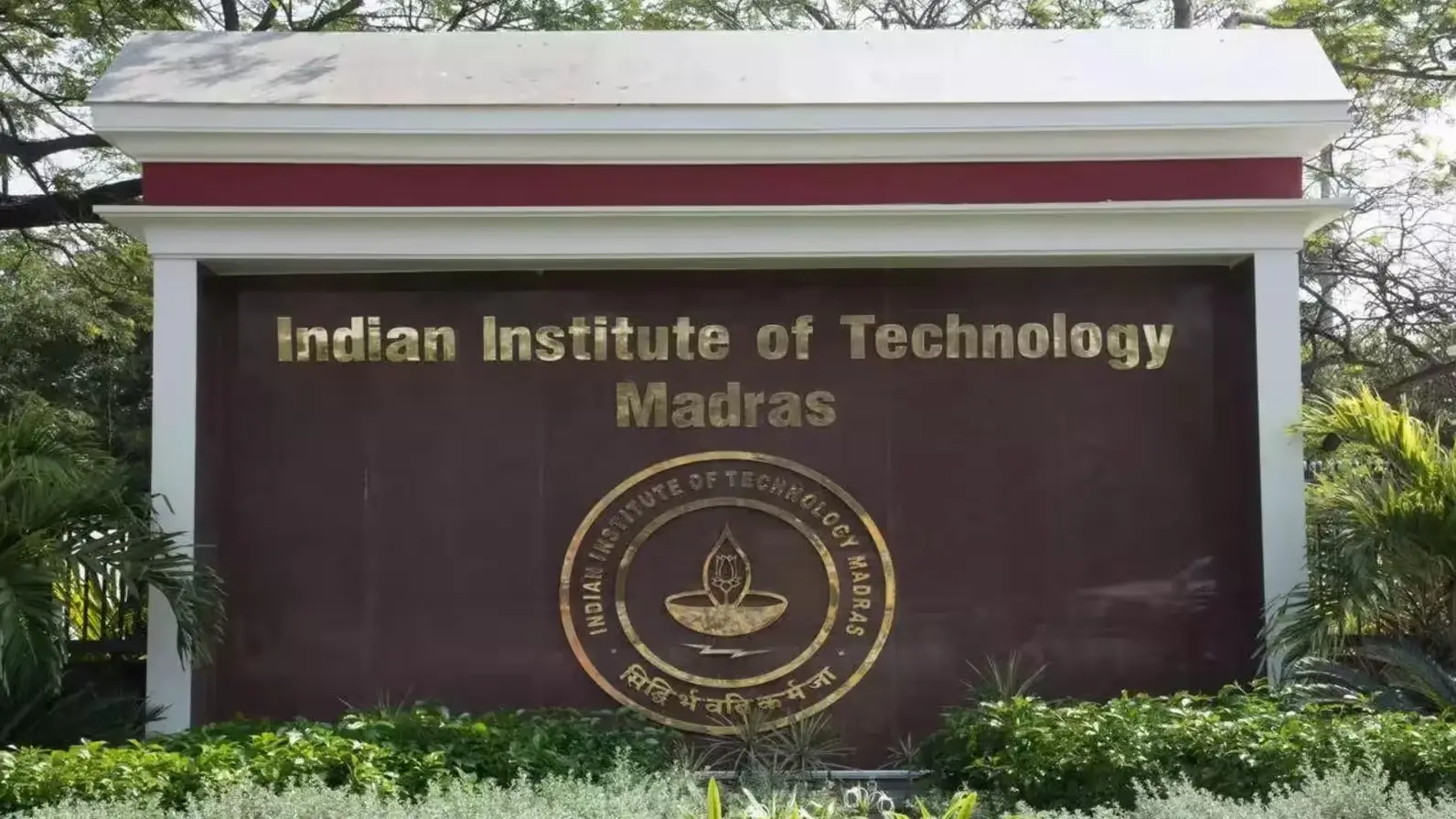
Bodhan AI, located at the Indian Institute of Technology Madras (IIT Madras), has unveiled its ambitious plan to create a sovereign, AI-driven education ecosystem for India in collaboration with Sarvam AI. This initiative aims to enhance learning, assessment, teaching, and administrative processes on a national scale. The announcement was made in New Delhi during the Bharat Bodhan AI Conclave 2026, a significant gathering focused on exploring the landscape, aligning strategies, and fostering partnerships in AI-enhanced education.
Insights from Leading Academics
During the session titled ‘Technical Session 1: School Education & Classroom Solutions’, Professor Mitesh M Khapra from the Wadhwani School of Data Science and AI, IIT Madras, emphasized the importance of education in India’s development. He stated that historically, education has been central to the nation’s aspirations, evolving from ancient universities to contemporary schools. He highlighted the transformative potential of modern AI tools, asserting that education can now leverage replicated, scalable AI resources to innovate significantly.
Professor Khapra pointed out that, for the first time, it is possible to provide quality education at scale, personalized for each learner across various languages. He stressed that by developing Bodhan AI as a pillar of India’s Digital Public Infrastructure for education, the program will prioritize sovereignty, inclusivity, and public welfare, ultimately empowering educators and learners alike.
Formation of International Advisory Council
IIT Madras also announced the establishment of an International Advisory Council to incorporate global best practices in education. The council will be led by Professor Sethuraman Panchanathan of Arizona State University, a prominent figure recognized for his contributions to AI and inclusive education.
Expert Views on AI Evolution
Dr. Pratyush Kumar, Co-Founder of Sarvam AI, spoke at the event about the rapid advancements in AI technology. He mentioned that by the end of the calendar year, it is likely that programming tasks in leading global companies could be entirely executed by AI. Dr. Kumar noted the dual nature of these advancements, describing them as both exciting and challenging as society grapples with adapting areas such as education and research to integrate AI effectively.
He discussed the goal of achieving a self-improving system of AI capable of generating AI itself. Dr. Kumar reflected on India’s unique challenge of engaging a massive population of 1.4 billion in productive activities, framing the development of Artificial General Intelligence as critical to the sustainability of both AI and human life.
Significance of the Conclave
During the inaugural ceremony of the Bharat Bodhan AI Conclave 2026, Professor V Kamakoti, Director of IIT Madras, lauded the initiative as a significant step by the Ministry of Education, Government of India. He quoted Swami Vivekananda, stating that education should be accessible to all, regardless of economic status. Professor Kamakoti stressed the potential of AI to address educational challenges and mentioned the establishment of a Centre of Excellence in AI for Education to be hosted by IIT Madras.
He further articulated the urgency of reaching a Gross Enrolment Ratio of 50% by the year 2035, as outlined in the National Education Policy (NEP) 2020. According to him, AI can play a vital role in creating solutions that democratize education across India.
Connecting with National Educational Frameworks
The ongoing 2026 conclave, spanning over two days, is part of the national mandate for the Centre of Excellence in Artificial Intelligence for Education set up by the Ministry of Education at IIT Madras. This initiative aims to advance AI solutions that are responsible, scalable, and aligned with NEP 2020. The strategies proposed will enable high-quality educational resources, personalized education, and prompt feedback accessible in multiple Indian languages.
Integration with existing national platforms will ensure that the new AI systems achieve continuity and equitable access. Bodhan AI aims to prioritize data privacy and safety, ensuring that educational advancements benefit the entire population while maintaining the teaching workforce at the heart of the ecosystem.