


“I Want Everything”: Trump Doubles Down On Iran Pressure
The CSR Journal Magazine

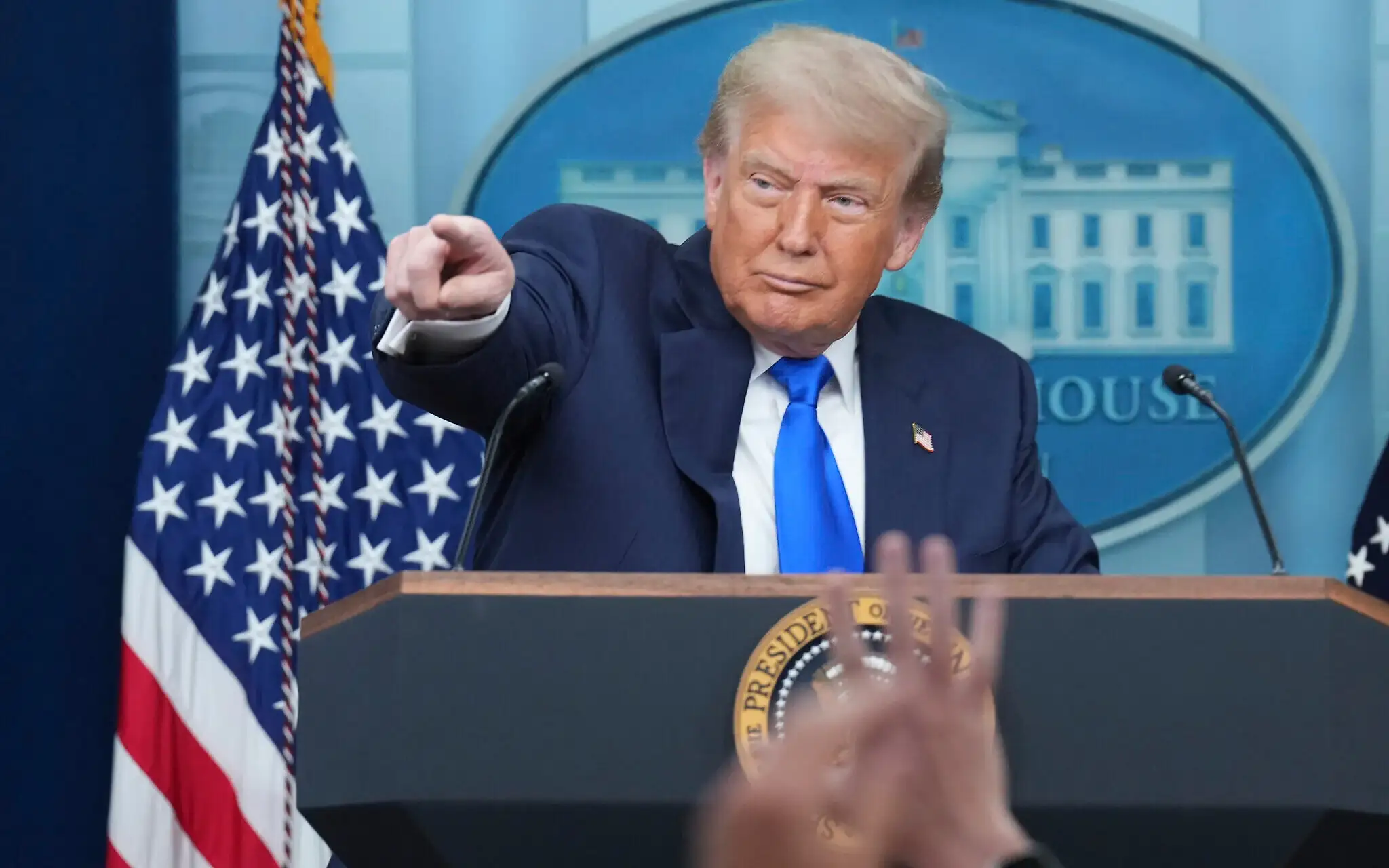
US President Donald Trump has issued a strong message to Tehran, asserting that eventually Iran will agree to American demands. Speaking during an interview with Fox News, he indicated that Iran returning to the negotiation table is not a question of if but when. Trump stated, “I predict they come back and they give us everything we want,” highlighting his belief in the lack of leverage from Iranian leaders.

In this context, Trump reiterated his previous comments regarding the Iranian government, claiming, “I want everything… They have no cards.” He maintained that his aggressive rhetoric plays a crucial role in fostering diplomatic dialogue, suggesting that his statements have compelled Iran to engage in negotiations.

Furthermore, Trump defended his earlier provocative remarks, including those threatening severe consequences for Iran. He noted the impact of his statements on the ongoing talks, asserting they have prompted significant shifts in negotiations. He referenced Iran’s chants against America as an affront that justifies his hardline approach.

Details of Military Threats Unveiled

During the same interview, Trump escalated his tone, reiterating previous assertions about potential military action against Iran’s national infrastructure. He claimed, “I could take out Iran in one day,” adding specifics about the possible scale of the operation. The President warned of a swift strike that could devastate Iran’s energy facilities and logistical frameworks.

Trump elaborated on the potential fallout, highlighting the long-term consequences of such an attack. He expressed concerns over the extensive damage that military action could cause, stating that rebuilding would take years. His comments included a focus on critical infrastructure like electric plants and bridges, emphasizing the severity of his threats.

This militaristic rhetoric comes shortly after a lengthy 21-hour diplomatic session in Pakistan, which ended without a formal agreement, contributing to rising tensions between Washington and Tehran. Following these talks, US Vice President JD Vance returned to the United States amid the unyielding stalemate.

Stalemate in Islamabad Reflects Ongoing Diplomatic Challenges

The diplomatic discussions in Islamabad failed to yield an agreement, leading Vice President Vance to describe the outcome as disappointing. He noted that the deadlock has considerably setback peace efforts, characterising the situation as “bad news for Iran” primarily. “We go back to the United States having not come to an agreement,” he stated.

During his comments to reporters, Vance highlighted that while America had presented comprehensible terms, Tehran did not accept them. He confirmed that the US had made substantial offers in earlier negotiations, indicating there had been progress, but the recent talks did not culminate in an agreement.

Despite what he termed as a flexible and accommodating approach, Vance expressed that the US could not reach a consensus with Iranian representatives on crucial issues, particularly concerning nuclear weapons. He indicated that a final proposal had been extended to Iran, allowing them to reconsider their stance.

In a contrasting report, Iranian state broadcaster Press TV suggested that the American side’s “excessive demands” hindered the establishment of a framework for discussion. The broadcaster cited contentious issues surrounding Iran’s nuclear rights and access to the Strait of Hormuz as primary sticking points in the negotiations.

Long or Short, get news the way you like. No ads. No redirections. Download Newspin and Stay Alert, The CSR Journal Mobile app, for fast, crisp, clean updates!

App Store –  https://apps.apple.com/in/app/newspin/id6746449540 

Google Play Store – https://play.google.com/store/apps/details?id=com.inventifweb.newspin&pcampaignid=web_share

Latest News

Popular Videos
