


Helium Shortage Hits India Healthcare, Disrupts MRI Services
The CSR Journal Magazine

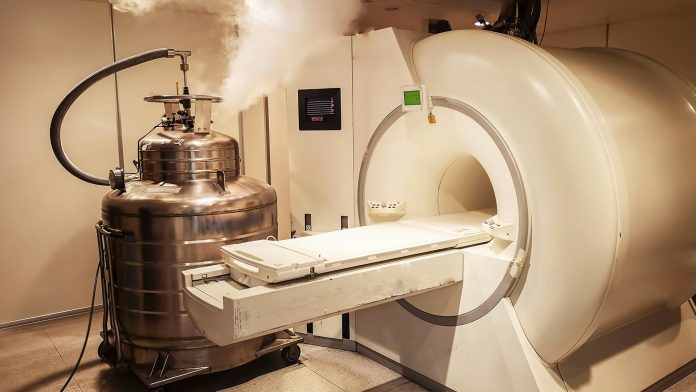
New Delhi: A significant helium shortage linked to geopolitical tensions in West Asia is causing disruptions in the MRI supply chain within India. The scarcity has led to heightened expenses and a potential increase in the prices of medical scans, raising concerns about delays in diagnosis. India’s reliance on helium imports from Qatar, a major supplier contributing nearly one-third of the global market, has further exacerbated the situation, resulting in limited inventory and unpredictable global logistics. According to industry expert Pavan Choudary, Chairman of the Medical Technology Association of India, continuous disruptions could impact MRI services and related medical applications globally.

Geopolitical Factors at Play

As helium is a byproduct of natural gas processing, its supply is closely linked to liquefied natural gas (LNG) production. Current disruptions in Qatar’s production are significantly constraining global availability. Although the immediate impact is not starkly visible, industry experts caution that the risk of more profound supply chain issues is escalating. The globalized nature of medical technology supply chains leaves them vulnerable to extended instability in West Asia, resulting in increasing costs across various segments, according to an executive from a medical technology firm.

Innovative Solutions in Healthcare Technology

Amidst the challenges, many companies have shifted their focus to developing helium-free MRI machines. Hariharan Subramanian, Managing Director of Siemens Healthcare, noted that the company had already implemented helium-free MRIs using advanced dry-cool technology. This innovative approach not only reduces reliance on helium but also minimizes the potential for service interruptions. Arjun Arunachalam, founder of Voxelgrids, a medtech startup in Bengaluru, stated that while helium prices can peak around $80 per cubic meter in certain markets, their company remains insulated because of its production of helium-free imaging systems.

Wider Effects on the Medical Device Industry

The ramifications of the helium crisis are permeating the domestic medical device sector, with manufacturers expressing concern about a possible shortage of essential hospital consumables. Items such as intravenous (IV) bags, urine bags, cannulas, and syringes could face scarcity as early as next month, given the current inventory levels are down to 15-20 days. Suppliers have signaled that healthcare facilities could experience disruptions in receiving these vital products. The ongoing challenges are further intensified by a shortage of industrial gases used for various applications, as well as rising energy costs that compel companies to rely on more expensive diesel or alternative power sources for their operations.

Long or Short, get news the way you like. No ads. No redirections. Download Newspin and Stay Alert, The CSR Journal Mobile app, for fast, crisp, clean updates!

App Store –  https://apps.apple.com/in/app/newspin/id6746449540 

Google Play Store – https://play.google.com/store/apps/details?id=com.inventifweb.newspin&pcampaignid=web_share

Latest News

Popular Videos
