


app-store-logo
play-store-logo
February 3, 2026

Guardians of the Coast: Honoring the Sunderbans on World Wetlands Day
The CSR Journal Magazine

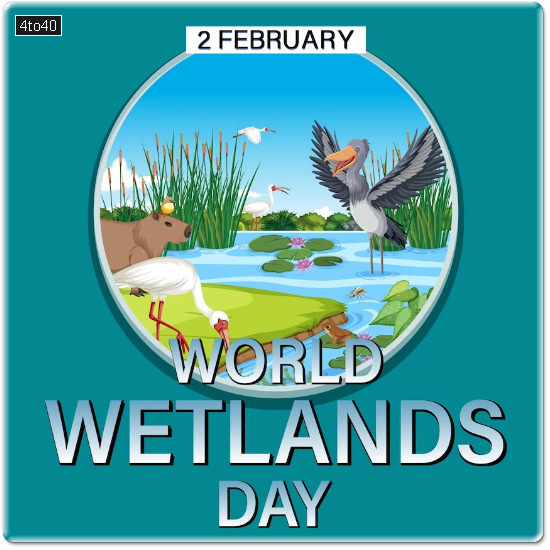
Every February 2nd, the world observes World Wetlands Day to highlight the vital role these ecosystems play in our survival. For West Bengal and Bangladesh, this day is inseparable from the Sunderbans, the largest contiguous mangrove forest on Earth and a UNESCO World Heritage site.

Often called the “lungs of the region,” this 10,000-square-kilometer deltaic marvel serves as the frontline defense against the fury of nature.

The Double-Edged Sword: Pros and Cons

Wetlands like the Sunderbans are complex systems. Their benefits are monumental, yet living within them presents unique challenges:

Pros: Natural Shield: The dense mangrove roots act as a massive shock absorber, reducing the impact of cyclones and tidal surges that would otherwise devastate inland cities like Kolkata and Khulna.

Carbon Sink : Mangroves sequester up to four times more carbon than terrestrial forests, making them “climate superheroes.”

Biodiversity Hub : It is the only mangrove habitat for the Royal Bengal Tiger and supports rare species like the Irrawaddy dolphin and the olive ridley turtle.

Cons: Livelihood Risks: High salinity makes traditional agriculture difficult, forcing locals into dangerous occupations like honey collection and prawn seed harvesting, often leading to human-wildlife conflict.

Isolation : The labyrinthine geography limits infrastructure, making healthcare and education difficult to access for the millions residing in the fringe areas.

A Deteriorating Scenario: Causes and Effects

The Sunderbans is currently in a state of “silent collapse.” Satellite data indicates that the sea level here is rising at nearly double the global average.

The Causes:

Reduced Freshwater Inflow : Damming and upstream water diversion (like the Farakka Barrage) have starved the delta of silt and freshwater, leading to “hypersalinity.”

Climate Change: Increased frequency of “super cyclones” like Amphan and Yaas have battered the forest’s ability to regenerate.

Pollution : Heavy metals from industrial runoff and microplastics from the rivers accumulate in the estuarine food chain.

The Effects: The most visible effect is the disappearance of islands (like Lohachara). As the water turns saltier, the iconic Sundari trees (from which the forest gets its name) suffer from “top-dying disease.” For the human population, this leads to climate migration, as salt-crusted soil can no longer yield crops, turning farmers into environmental refugees.

Conclusion

On this World Wetlands Day, the Sunderbans reminds us that wetlands are not wastelands; they are our life-support systems. Saving them requires more than just planting saplings it demands global climate action and local restoration of freshwater flow.

Long or Short, get news the way you like. No ads. No redirections. Download Newspin and Stay Alert, The CSR Journal Mobile app, for fast, crisp, clean updates!

App Store –  https://apps.apple.com/in/app/newspin/id6746449540 

Google Play Store – https://play.google.com/store/apps/details?id=com.inventifweb.newspin&pcampaignid=web_share

Latest News

Popular Videos
