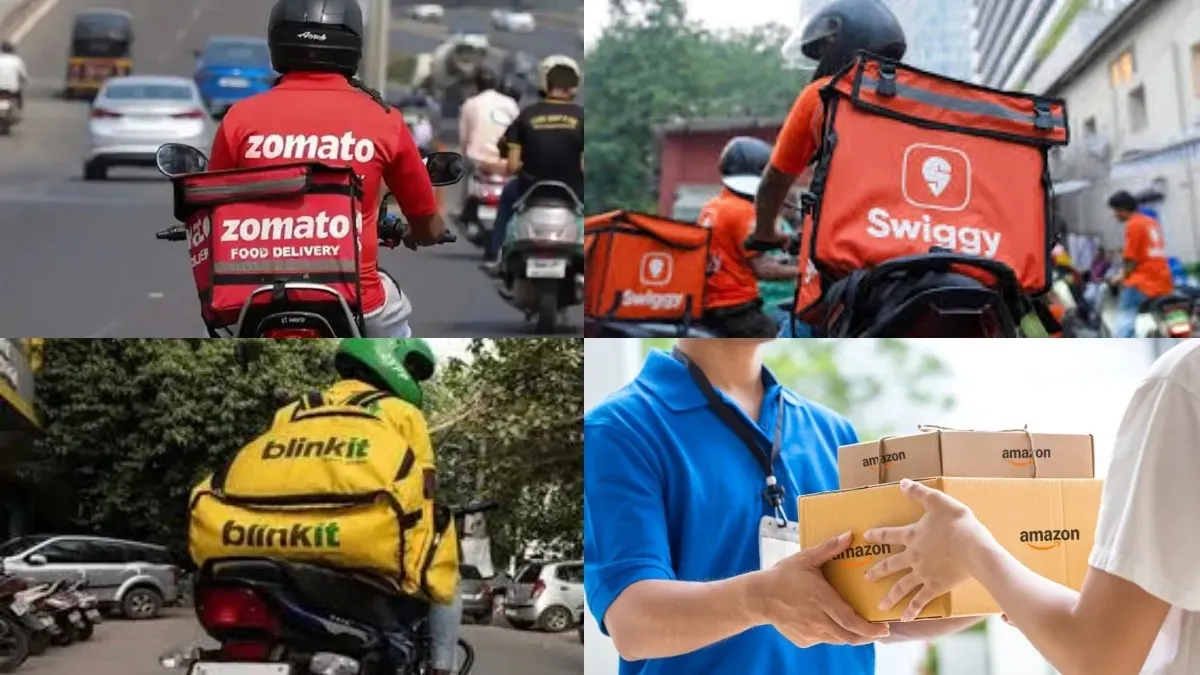
How many times have you noticed a delivery partner breaking traffic rules and speeding his motorbike through a traffic signal when the light is red? Gig workers in India are currently in a very challenging work profile which puts their safety and even life at risk. Have you ever thought that while we are happy to get our groceries and necessities delivered at our doorstep within 10 minutes of ordering, it is coming at the cost of the gig-workers’ safety?
On Tuesday, January 13, the government of India, through the Labour Ministry, urged quick-commerce companies to stop promoting “10-minute delivery” due to safety concerns, leading platforms like Blinkit to remove the branding; this follows recent nationwide strikes by gig workers demanding better conditions, with broader labour codes for gig workers set to roll out by April 2026, promising social security.
This is a big relief to the gig workers who risk their lives daily to ensure your grocery is delivered on time! In this situation, let’s take a look into what challenges the 10-minute delivery model pose on gig workers across India.
Financial insecurity, low pay, long working hours and zero job security
In the existing 10-minute delivery model, gig-workers across India face immense pressure, leading to severe road safety risks (speeding, accidents), extreme mental stress from algorithmic monitoring and penalties, and lack of basic social security (no insurance, sick leave) due to their “independent contractor” status, resulting in financial insecurity, low pay, long hours, and vulnerability to deactivation, all while carrying vehicle costs and navigating through hazardous conditions.
A lack of robust legal frameworks leaves workers vulnerable to exploitation. Platforms can suspend or deactivate worker accounts without warning, explanation, or a fair grievance redressal process, resulting in an immediate loss of livelihood.
And by the time you finished reading the above, probably 10 (or more) delivery partners have broken traffic rules across India, and some may have got injured.
Unrealistic timelines leading to road safety issues
The core model is designed heavily on cheap, readily available labour, making it difficult for platforms to offer better conditions without breaking their profit margins. Unrealistic timelines put a pressure on riders to break traffic laws (speeding, jumping signals) to avoid penalties, significantly increasing accident risk. High speeds and dangerous roads lead to frequent accidents, with no company support or compensation for injuries. Constant pressure, long shifts (15+ hours), and algorithmic tracking cause chronic anxiety, stress, and exhaustion.
Demanding deadlines, such as the “10-minute delivery” model, force workers to speed, leading to physical exhaustion and higher risk of road accidents. When injured, they often receive no compensation or medical support from the platforms.
The scene is tougher for women gig workers, such as including lack of access to washrooms during long hours and curious questions coming from the recipient about why she took up the job being a girl!
Gig workers classified as ‘independent contractors’, lack basic benefits which employees enjoy
Numerous reports, worker testimonies, and recent labour union protests indicate that delivery platforms in India are being unjust to their gig workers, primarily by denying them formal employee status and the associated benefits. The platforms classify workers as “independent contractors,” which exempts the companies from obligations under traditional labour laws.
In the current model, pay per order is minimal, and earnings are unpredictable, making financial planning difficult for delivery partners. Workers have often reported low base pay per order (sometimes as low as Rs 25). So they are forced to work 14-16 hours a day to earn a sufficient wage. Their incomes fluctuate widely depending on demand, platform algorithms, and incentive structures. On top of this, workers lack health insurance, paid leaves, and retirement benefits, which puts them in the category of contractors instead of employees.
In the quick grocery delivery platforms like Swiggy, Zomato, Zepto, Blinkit, opaque algorithms monitor delivery partner’s performance, leading to deactivation for minor delays, and riders bear costs like fuel and vehicle maintenance. Algorithms dictate task allocation, pricing, and performance ratings, but workers have little to no transparency into how these systems work or how to challenge unfair penalties or decisions.
Along with this, additional demands from customers can lead to complaints, affecting ratings and blocking IDs. To meet instant delivery promises, workers must always be available, leading to wasted waiting time and increased costs.
Long or Short, get news the way you like. No ads. No redirections. Download Newspin and Stay Alert, The CSR Journal Mobile app, for fast, crisp, clean updates!
Authorities in Karnataka recently conducted a special enforcement operation, leading to the confiscation of expired and mislabelled food products valued at Rs 1.38 crore...
Quick commerce in India is broadening its reach beyond major metropolitan areas, with dark stores now present in 477 cities. This expansion includes both...
धतूरे को बना दिया खाद्य उत्पाद! कर्नाटक में Amazon, Swiggy Instamart और BigBasket के खाद्य लाइसेंस निलंबित; प्लेटफॉर्म्स को सभी लिस्टिंग और विज्ञापन हटाने के...