


Great Indian Bustard Receives New Opportunity After Release into Wild
The CSR Journal Magazine

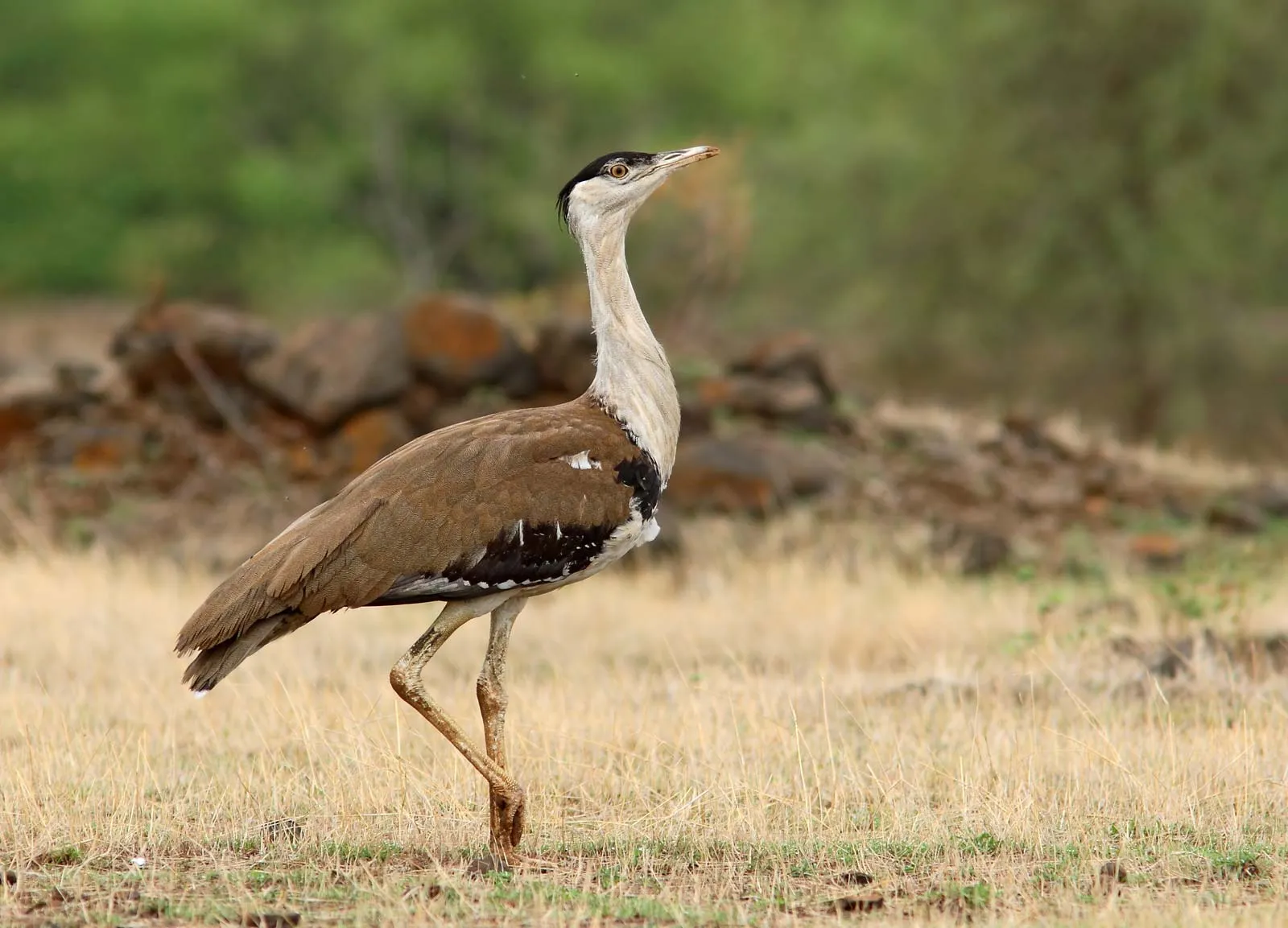
The Great Indian Bustard (GIB), once spread widely across India from Punjab to Tamil Nadu, is now critically endangered, with estimates suggesting fewer than 150 individuals remain in the wild. This situation has prompted significant conservation efforts, culminating in the recent release of two captive-bred GIBs at Desert National Park in Sam, Jaisalmer. This event marks the first substantial release under India’s captive-breeding initiative aimed at reviving this iconic bird’s population.

The release of these birds is being monitored closely by conservationists, as the success of captive breeding is just the initial phase. The pressing concern now is whether these GIBs can survive, acclimatise, and eventually reproduce in their natural environment. Their adaptation to the wild will be a critical factor in determining the future of the species.

Factors Leading to the Decline of the Great Indian Bustard

The scientific name of the Great Indian Bustard is Ardeotis nigriceps, and its historical range included vast dry grasslands across India. Unfortunately, the destruction of these habitats has significantly reduced their population. Once classified as ‘wasteland’, these grasslands have faced degradation and conversion into agricultural and other uses, stripping the birds of essential resources.

The loss of habitat has not only led to diminished food and water sources but has also heightened the risk posed by hunting. Furthermore, in recent years, a more pressing threat has emerged: electrical transmission lines. Although the Great Indian Bustard possesses keen peripheral vision to detect predators, it lacks sufficient forward vision. As a result, these birds often collide with overhead power lines while flying, which frequently results in fatal outcomes.

The combined impact of habitat loss, hunting, and infrastructure poses a serious challenge to the survival of the Great Indian Bustard in its native habitat. Urgent measures are essential to halt this decline and promote the recovery of the species.

Government Initiatives to Preserve the Great Indian Bustard

Prior to their release, the GIBs undergo a detailed ‘rewilding’ process. As part of this training, the Great Indian Bustard Conservation Breeding Centre at Ramdevra, which cost Rs 9.25 crore to establish, prepares the captive birds for the challenges they may face in the wild. At this facility, the birds experience real environmental conditions, including natural sunlight, temperature variations, and airflow.

The training also equips them to hunt for insects and other natural prey while learning to locate water sources independently. This comprehensive approach aims to reduce the birds’ reliance on human intervention, increasing their chances of survival once released into the wild.

Long or Short, get news the way you like. No ads. No redirections. Download Newspin and Stay Alert, The CSR Journal Mobile app, for fast, crisp, clean updates!

App Store –  https://apps.apple.com/in/app/newspin/id6746449540 

Google Play Store – https://play.google.com/store/apps/details?id=com.inventifweb.newspin&pcampaignid=web_share

Latest News

Popular Videos
