


app-store-logo
play-store-logo
March 10, 2026

Government Enforces Essential Commodities Act to Secure LPG Supply, Instructs Refineries to Adjust Production

The CSR Journal Magazine

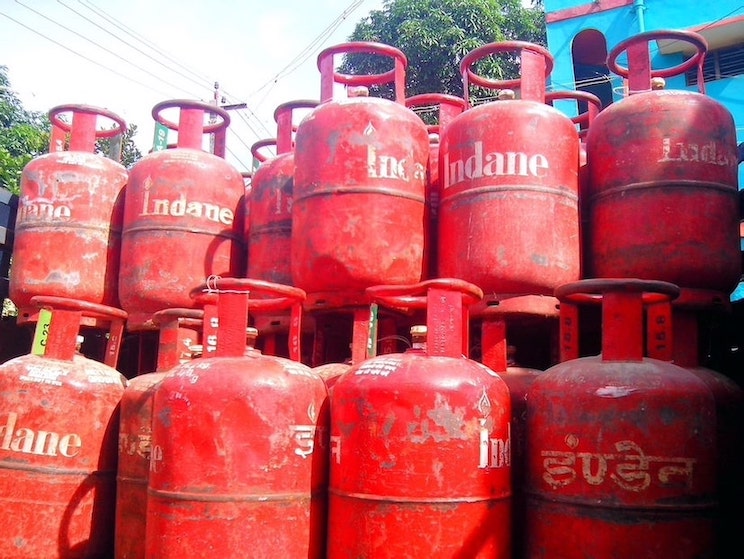
In a response to the escalating conflict in West Asia, the Union Government has invoked the Essential Commodities Act to ensure a continuous supply of domestic cooking gas. On Tuesday, officials directed refineries and petrochemical facilities to enhance the production of liquefied petroleum gas (LPG) and reallocate certain hydrocarbon streams to bolster the LPG supply chain. This action aims to address potential disruptions in fuel availability.

Prioritization of Natural Gas Supply

The government’s directive stipulates that the distribution of natural gas to selected sectors will be prioritized based on operational availability, with a target of meeting 100% of their average consumption over the past six months. Sectors identified for priority supply include domestic piped natural gas, compressed natural gas for transportation, LPG production—along with necessary shrinkage requirements—and operational needs related to pipeline compressor fuel.

Allocation Guidelines for Fertilizer Plants

According to the new regulations, gas supply to fertilizer manufacturing facilities is mandated to reach at least 70% of their average consumption over the previous six months, contingent on the availability of operational resources. Additionally, gas marketing entities are instructed to maintain an 80% supply level for tea industries and other manufacturing sectors relying on the national gas grid, again based on available operational capacity.

Requirements for City Gas Distribution Entities

City Gas Distribution companies are also required to ensure that industrial and commercial customers connected to their networks receive a minimum of 80% of their six-month average gas consumption, subject to operational feasibility. Meanwhile, oil refineries are tasked with mitigating the consequences of disruptions in liquefied natural gas (LNG) supply by reducing gas allocations to refineries to around 65% of their average consumption over the past six months, keeping operational capabilities in mind.

Data Reporting Mandate for Gas Producers and Distributors

All producers, importers, transporters, marketers, and distributors of natural gas—including LNG and regasified LNG—are required to submit detailed reports on their production, imports, stock levels, allocation, supply, and consumption to the Central Government or designated officials. This data is expected to facilitate better monitoring of the situation and ensure compliance with the recent directives.

Focus on Domestic LPG Production

In alignment with the government’s priorities, the Ministry of Petroleum and Natural Gas has issued explicit orders to oil refining firms to increase LPG production with the intention of directing this additional output towards domestic users. This measure aims to enhance energy security for households in light of ongoing uncertainties in the global oil and energy markets, largely influenced by the situation in West Asia.

Measures to Prevent Hoarding and Black Market Activity

To manage the prevailing supply situation effectively, the Ministry has introduced a 25-day inter-booking period for consumers. This initiative is designed to discourage hoarding practices and help prevent black market activity related to LPG and other fuels. The government continues to strive for a stable and secure energy supply to its citizens against the backdrop of current geopolitical challenges affecting fuel distribution.

Long or Short, get news the way you like. No ads. No redirections. Download Newspin and Stay Alert, The CSR Journal Mobile app, for fast, crisp, clean updates!

App Store –  https://apps.apple.com/in/app/newspin/id6746449540 

Google Play Store – https://play.google.com/store/apps/details?id=com.inventifweb.newspin&pcampaignid=web_share

Latest News

Popular Videos