


Government Engages Opposition for Women’s Reservation Amendment Bill
The CSR Journal Magazine

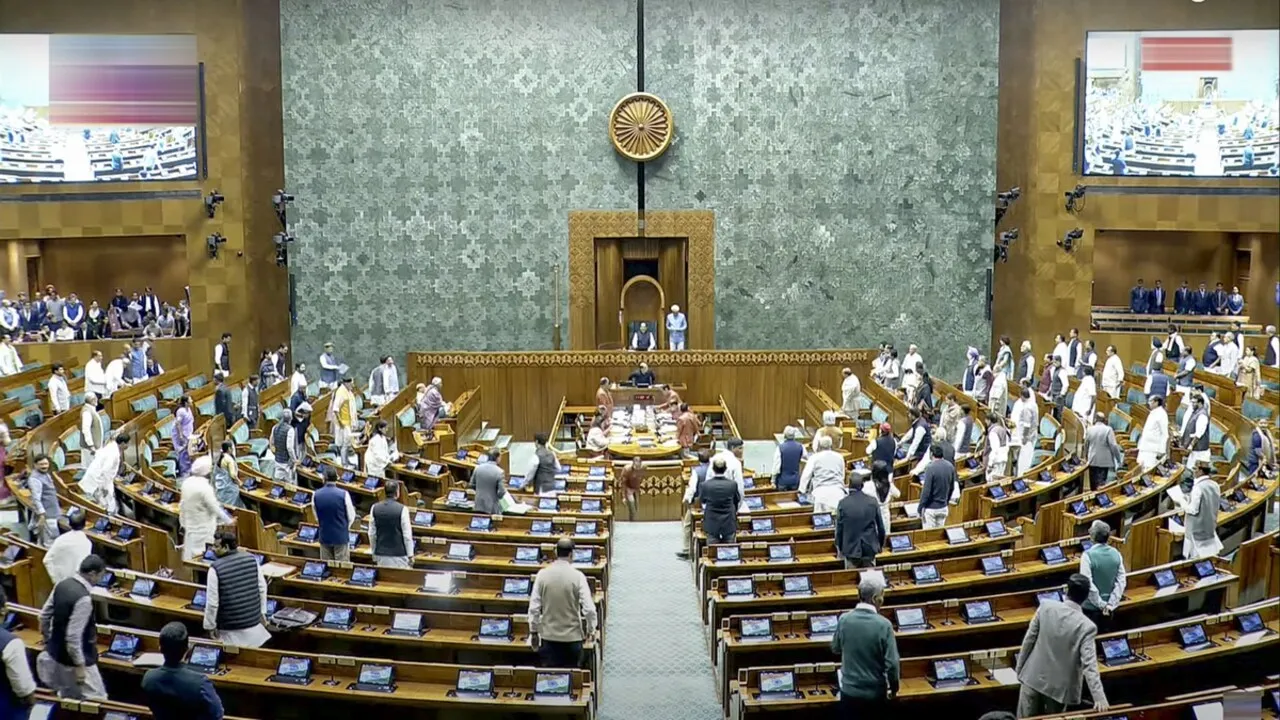
The Central government is actively seeking support from various opposition parties for the amendment of the Nari Shakti Vandan Adhiniyam, commonly known as the Women’s Reservation Bill. This amendment aims to separate women’s quotas from the delimitation process. The government plans to introduce the bill during the ongoing budget session. In pursuit of building consensus, Home Minister Amit Shah has conducted meetings with leaders from multiple opposition parties, such as the BJD, YSRCP, NCP, Shiv Sena (UBT), and the Samajwadi Party, among others.

Background of the Bill and Legislative Needs

The Parliament passed the Women’s Reservation Bill in 2023, establishing the 2011 census as the foundational basis for delimitation. The forthcoming amendment to the Delimitation Act will align with this goal. Given that the passage of this legislation requires a two-thirds majority, garnering support from opposition parties is essential for its success. Additionally, Amit Shah held discussions with NDA parliamentary floor leaders, including prominent figures such as LJP’s Sambhavi Choudhary, Union Minister Kiren Rijiju, and others to rally support for the amendment.

Proposed Amendments and Repercussions

According to informed sources, the government is considering two significant amendments. Presently, the Nari Shakti Vandan Act connects women’s reservation to the upcoming census and delimitation; however, due to delays in census activities, the proposal involves utilizing the 2011 census data instead. The number of Lok Sabha seats is projected to rise from 543 to 816 following these amendments, with women receiving 273 of these seats, amounting to nearly one-third. Both a new bill to amend the Nari Shakti Vandan Act and a separate Delimitation Bill will need to be passed as constitutional amendments to facilitate women’s reservation.

Implications for Future Elections

Should this legislation come into effect, it is anticipated to result in India’s most significant electoral transformation since independence, with the introduction of 273 female Members of Parliament (MPs) by the year 2029. Consequently, the upcoming general elections will see contests across 816 Lok Sabha seats, which will adjust the majority threshold from 272 to 409. The existing Lok Sabha comprises 543 seats, thus a proposed increase of 50% would notably reshape the parliamentary landscape.

Views from the Government and Opposition

The government’s stance is firm in asserting that it will not postpone women’s representation in Parliament due to the delays associated with a new census. Instead, it intends to base delimitation on 2011 census data, ensuring women, who represent half of the population, are fairly represented in legislative bodies. The Home Minister has briefed opposition leaders on these plans; while there is general support for women’s reservation, ongoing discussions aim to establish a consensus concerning seat distribution and the delimitation process.

Future of Women in Indian Politics

If enacted, this bill is set to usher in a new era of women’s political engagement in India, making strides toward gender parity in a key legislative domain. The structural changes proposed through the amendment have the potential to enhance women’s representation significantly and strengthen democratic processes ahead of the 2029 elections.

Long or Short, get news the way you like. No ads. No redirections. Download Newspin and Stay Alert, The CSR Journal Mobile app, for fast, crisp, clean updates!

App Store –  https://apps.apple.com/in/app/newspin/id6746449540 

Google Play Store – https://play.google.com/store/apps/details?id=com.inventifweb.newspin&pcampaignid=web_share

Latest News

Popular Videos
