


Good Friday 2026: Understanding the Significance of the Day
The CSR Journal Magazine

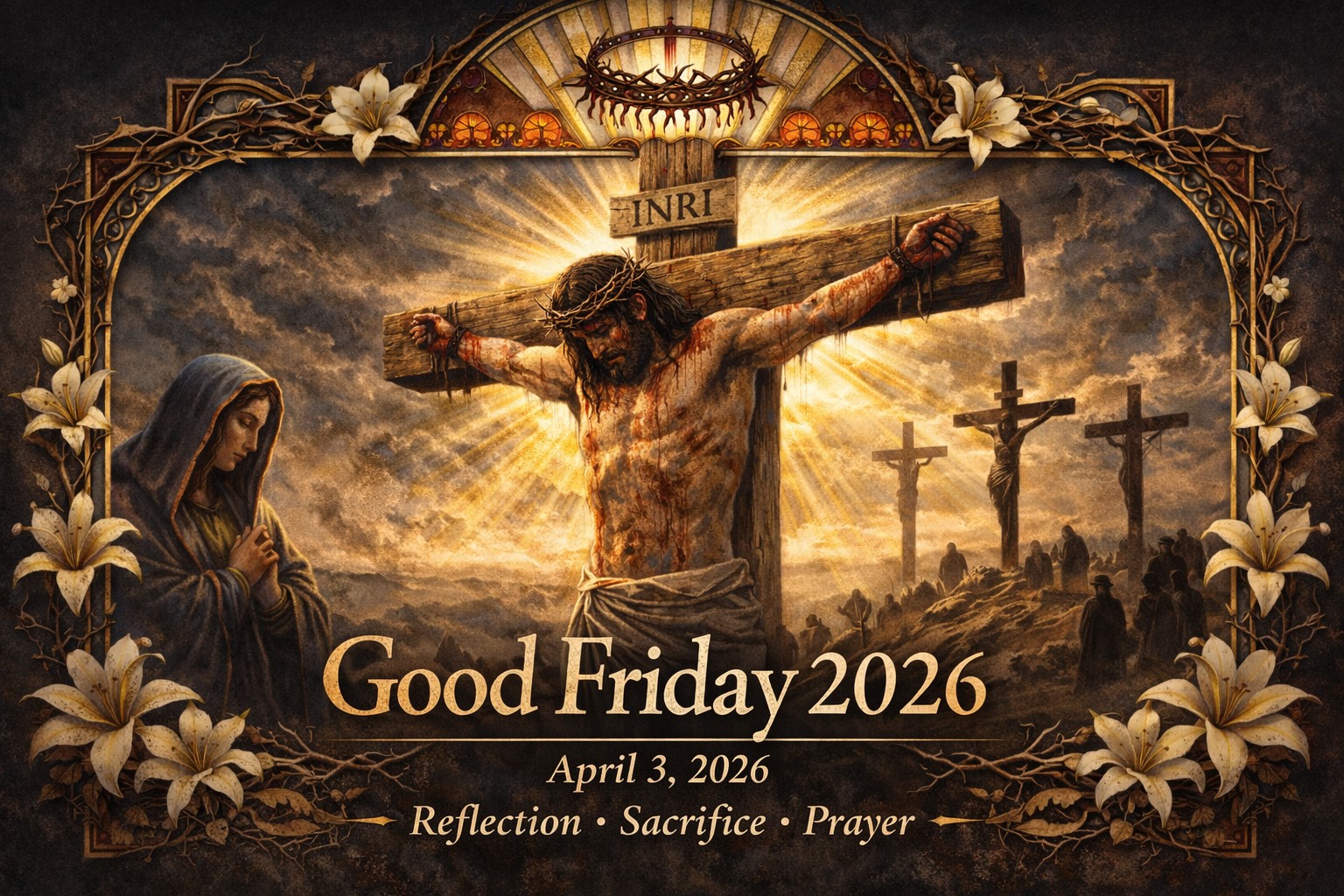
Good Friday 2026 is scheduled for April 3, and it is a significant observance in the Christian faith. This day commemorates the crucifixion and death of Jesus Christ, serving as a poignant reminder of sacrifice and suffering. Due to its serious nature, many refrain from using the phrase “Happy Good Friday,” as it does not align with the day’s reflective mood.

The term “Good” in this context carries a meaning rooted in holiness. It indicates a time for prayer, contemplation, and respect rather than celebration. This choice of language reflects the deeper emotional weight of the day, making typical celebratory greetings seem inappropriate to many believers.

The Meaning Behind ‘Good’ in Good Friday

The wording of Good Friday derives from historical interpretations where ‘good’ suggests something sacred or divine. Some theories even propose that the term might come from “God’s Friday,” highlighting the spiritual significance of the day. Although it is a day marked by sorrow, it serves as an essential part of the Christian faith.

Good Friday is observed within the framework of the Easter Triduum, which consists of Good Friday, Holy Saturday, and Easter Sunday. The focus on sacrifice and forgiveness during this time prepares believers for the joy of Easter when the resurrection of Jesus is celebrated. This solemn observance allows for a deeper understanding of faith and redemption.

The importance of Good Friday in Christianity cannot be overstated, as it serves as a reflective moment that leads to the ultimate celebration of Easter. This interplay between sorrow and joy encapsulates the essence of the Christian narrative surrounding Jesus’s passion and resurrection.

Customs and Observances on Good Friday

The manner in which Good Friday is observed varies but typically emphasises serenity and introspection. Many Christians partake in church services or communal prayers, marking the day with activities such as fasting or consuming simple meals. These practices are designed to foster a sense of solemnity and reverence throughout the day.

Reading religious texts is a common custom, along with moments of silence and reflection, allowing individuals to meditate on the significance of the day. The tone of the observance remains calm, with many reflecting on the themes of sacrifice and forgiveness that underpin this pivotal moment in Christian history.

In this context, individuals often substitute traditional greetings with more suitable phrases. Common expressions include “Have a blessed Good Friday,” “Wishing you a peaceful Good Friday,” or “Have a meaningful Good Friday.” These alternatives are more in harmony with the spirit of the day, as they acknowledge the serious nature of the observance.

The Joyful Resumption of Greetings on Easter

The tone of celebration returns with Easter Sunday, when Christians commemorate the resurrection of Jesus Christ. On this day, greetings such as “Happy Easter” become prevalent, marking a shift from the solemn observance of Good Friday to a joyous celebration of new life and hope.

As Easter approaches, the emotions of believers transition from sorrow to joy, symbolising the core tenets of Christian faith. The contrast between Good Friday and Easter underscores the continuity of belief and the journey from suffering to resurrection.

Thus, the observance of Good Friday and the subsequent celebration of Easter form integral components of the Christian religious calendar, representing the profound narratives of faith, redemption, and renewal.

Long or Short, get news the way you like. No ads. No redirections. Download Newspin and Stay Alert, The CSR Journal Mobile app, for fast, crisp, clean updates!

App Store –  https://apps.apple.com/in/app/newspin/id6746449540 

Google Play Store – https://play.google.com/store/apps/details?id=com.inventifweb.newspin&pcampaignid=web_share

Latest News

Popular Videos
