


Global Fuel Prices Surge Amid Rising Tensions in Iran
The CSR Journal Magazine

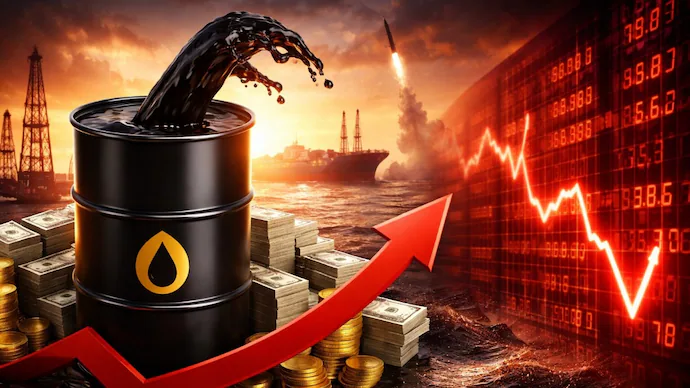
The ongoing heightened tensions in Iran have begun to affect fuel prices worldwide, reflecting the interconnectedness of global economies. As the conflict escalated in late February, petrol prices started to rise in various countries, influencing everything from transportation expenses to household finances. Data from international fuel trackers highlights a significant uptick in petrol prices across multiple nations, with many registering noticeable increases in the days following the escalation of the crisis. Given that fuel prices are closely tied to crude oil supply, instability in the Middle East, a key oil-producing region, creates uncertainty in markets. Even without immediate supply shortages, fears of potential disruptions lead to a spike in prices, prompting traders to react swiftly to geopolitical developments.

Countries Experiencing the Highest Fuel Price Increases

Recent data reveals several countries that have experienced the most significant rises in petrol prices, particularly measured for 95-octane fuel. Cambodia leads the list with a price increase of 67.81%, climbing from $1.11 on February 23 to $1.32 by March 11. Following closely are Vietnam and Nigeria, registering increases of 49.73% and 35% respectively. Laos, Canada, and Pakistan also experienced substantial price hikes of 32.94%, 28.36%, and 24.49%. Notably, even the United States and several European nations, including Germany and Spain, have seen moderate increases, reflecting price rises in the international oil market due to geopolitical tensions.

Understanding the Global Price Increase

The escalating petrol prices can primarily be attributed to apprehensions regarding oil supply. Iran’s strategic location, particularly concerning vital shipping lanes like the Strait of Hormuz, raises concerns over the potential disruption of oil shipments. Such risks can incite immediate reactions in global oil prices. Whether supply remains stable or not, the prevailing fears can lead to price inflation, which it ultimately reflects in the price consumers pay for petrol and diesel.

Regions Most Impacted by Rising Prices

Several regions are currently facing the brunt of rising petrol prices. In Asia, nations such as Cambodia, Vietnam, and Pakistan are experiencing steep increases, largely due to their heavy reliance on fuel imports. Countries in Africa, including Nigeria, are equally affected, compounding pressures on their struggling economies. Western nations, encompassing the United States, Canada, and parts of Europe, have noted more moderate but consistent price increases. Island nations, particularly the Maldives and Seychelles, are grappling with rising prices as well, given their substantial dependence on fuel imports. This surge in global petrol prices highlights the sensitivity of economies to geopolitical realities, where conflicts in one part of the world can have far-reaching effects on fuel costs elsewhere.

Long or Short, get news the way you like. No ads. No redirections. Download Newspin and Stay Alert, The CSR Journal Mobile app, for fast, crisp, clean updates!

App Store –  https://apps.apple.com/in/app/newspin/id6746449540 

Google Play Store – https://play.google.com/store/apps/details?id=com.inventifweb.newspin&pcampaignid=web_share

Latest News

Popular Videos
