


‘Ghost Driver’ Scam in China Uses Fear Tactics to Cheat Taxi Passengers
The CSR Journal Magazine

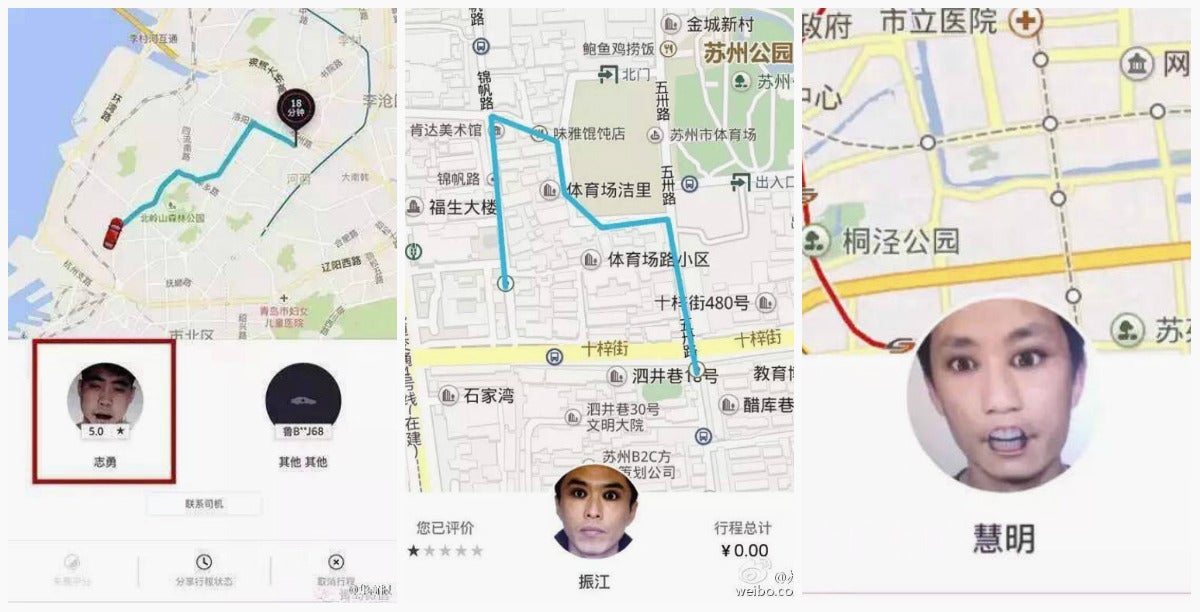
In a peculiar development within the ride-hailing services, a group of taxi drivers in China has been found using deceptive profile images to intimidate passengers into canceling their rides. This unsettling practice allows the drivers to collect cancellation fees without completing any rides. The phenomenon, known as the “ghost driver” scam, surfaced in 2016 across significant cities in China, including Beijing, Shanghai, Chengdu, and Suzhou. Passengers became aware of unusual driver profiles displaying frightening or distorted images that ultimately intended to instill fear and prompt cancellations.

Psychological Manipulation Behind the Scam

The deceptive tactics employed by these drivers were rooted in psychological manipulation. When customers booked a ride, the application showcased the driver’s photograph along with vehicle details. Many profiles displayed heavily edited or horror-inspired images, which led some customers to cancel rides due to existing safety concerns associated with ride-sharing. This cancellation typically incurred a minor fee, often just a few yuan, but when compounded through repeated occurrences, it became a lucrative source of income for the drivers.

Additional Unscrupulous Strategies

In cases where passengers opted not to cancel their rides, drivers resorted to further deceitful strategies. One common approach involved starting a trip only to leave the vehicle without the passenger. This tactic enabled drivers to register a completed journey while never actually providing service. In another instance, drivers simply failed to arrive after accepting a ride request, prompting passengers to cancel and pay a fee. Some users reported scenarios where the app indicated a driver was nearby, yet no vehicle was visible in proximity, adding to the confusion of the situation.

Impact on the Ride-Hailing Market

The emergence of this scam coincided with a financial struggle for Uber in China, where it was facing significant losses estimated at around $1 billion annually. The situation became more complicated when, in August 2016, Uber merged its operations with Didi Chuxing, a local rival, effectively ceasing its independent operations in the Chinese market. Despite the merger, the challenges of managing a decentralized driver network became apparent, illustrating vulnerabilities within the platform.

Company Response to Malpractices

In response to the growing issues related to ghost drivers, Uber acknowledged the fraudulent behavior publicly, stating they maintained a strict zero-tolerance stance against such activities. The company announced that it was actively investigating the matter and banning accounts linked to fraudulent actions. An Uber spokesperson indicated that measures were in place to protect both riders and drivers by eliminating individual accounts associated with scams.

Efforts to Enhance Safety Protocols

To prevent occurrences of similar scams, Uber had already established a facial recognition system for drivers in China to verify the identity of the individuals behind the wheel. However, the ghost driver scam highlighted that relying solely on identity verification was insufficient to prevent exploitation of the platform. The company also committed to refunding affected customers while gathering data to ascertain the broader impact of the issue.

Broader Concerns in the Ride-Hailing Industry

The prevalence of such scams across multiple cities suggested a possible coordinated effort among drivers, raising concerns about trust in digital ride-hailing platforms. While the financial losses for individual passengers were generally small, the psychological distress caused by the unsettling experience could lead to a significant decline in user confidence. The ghost driver incident underscores how easily user trust can be compromised within a digital landscape, emphasizing the need for continued vigilance and innovation in security measures against emerging threats.

Long or Short, get news the way you like. No ads. No redirections. Download Newspin and Stay Alert, The CSR Journal Mobile app, for fast, crisp, clean updates!

App Store –  https://apps.apple.com/in/app/newspin/id6746449540 

Google Play Store – https://play.google.com/store/apps/details?id=com.inventifweb.newspin&pcampaignid=web_share

Latest News

Popular Videos
