


app-store-logo
play-store-logo
March 7, 2026

Ghaziabad Ranked India’s Most Polluted City in Winter 2025–26
The CSR Journal Magazine

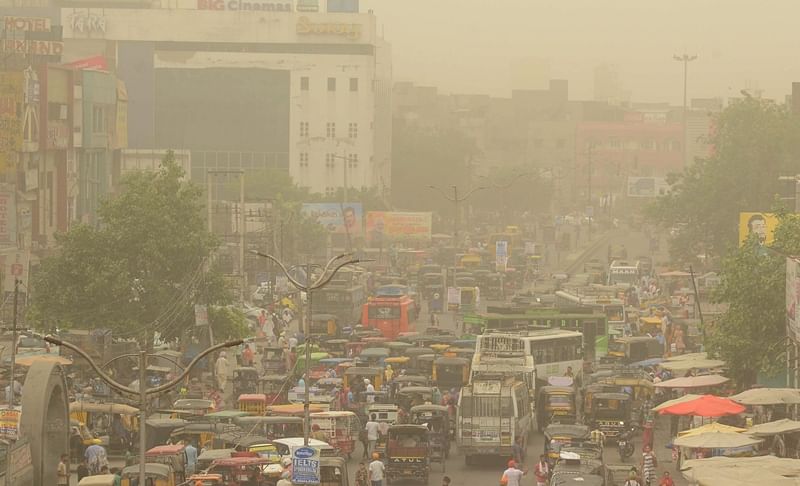
Air quality data from the Centre for Research on Energy and Clean Air indicates that Ghaziabad emerged as the most polluted city in India during the winter period of 2025-26. The city recorded an alarming average PM2.5 concentration of 172 µg/m³. Following closely were Noida and Delhi, with average concentrations of 166 µg/m³ and 163 µg/m³, respectively. This analysis utilized data from Continuous Ambient Air Quality Monitoring Stations, sourced from the Central Pollution Control Board, covering the period from October 1, 2025, to February 28, 2026.

Significant Breach of Air Quality Standards

The air quality analysis highlighted a significant trend in pollution levels across the country. Out of 238 Indian cities monitored, 204 recorded average PM2.5 concentrations surpassing the National Ambient Air Quality Standards, marking an increase from 173 cities in the previous year. The findings indicate a troubling pattern of air quality reduction over the winter months in many urban areas.

Daily Air Quality Conditions in Delhi

During the winter season, Delhi experienced a spectrum of air quality conditions, with 18 days classified as ‘severe’ and 87 days categorized as ‘very poor’. The remaining days included 24 classified as ‘poor’, 15 as ‘moderate’, six as ‘satisfactory’, and a mere one day rated as ‘good’. These figures reflect the ongoing challenges of air pollution in the capital territory.

Other Cities Among the Most Polluted

In addition to Ghaziabad, Noida, and Delhi, the analysis placed Greater Noida, Bahadurgarh, Dharuhera, Gurgaon, Bhiwadi, Charkhi Dadri, and Baghpat among the ten cities with the highest pollution levels. Greater Noida was ranked fourth, while Baghpat secured the tenth position. Notably, the states of Uttar Pradesh and Haryana each contributed four cities to the top ten list, with Delhi and Rajasthan each having one. This statistic underscores the regional disparities in air quality across northern India.

State-Level Air Quality Breaches

When assessing air quality at the state level, Haryana was found to have the highest number of cities where all monitored locations exceeded PM2.5 NAAQS, with a total of 24 cities breaching the standard. Other states such as Andhra Pradesh, Punjab, West Bengal, and Gujarat saw significant numbers of exceedances as well. The data reveals that numerous cities across Rajasthan, Maharashtra, Bihar, Uttar Pradesh, Odisha, and Madhya Pradesh also exhibited high percentages of locations exceeding national air quality standards.

Karnataka’s Chamarajanagar Recognized for Clean Air

Chamarajanagar in Karnataka was identified as the cleanest city in India for winter 2025-26, showing an impressive average PM2.5 concentration of just 19 µg/m³. The report listed the ten cleanest cities, comprising eight from Karnataka and one each from Madhya Pradesh and Meghalaya. This highlights not only the alarming pollution rates in much of the country but also areas of relative cleanliness.

Comparison with Previous Winter and Recommendations for Improvement

A comparative analysis of the last two winters revealed a concerning trend of persistent non-compliance with air quality standards, as more cities breached national limits in the winter of 2025-26 compared to the prior year. Experts have noted the need for an enforcement of nationwide PM2.5 reduction targets, different from the regional efforts currently in place. A focus on controlling other gaseous pollutants is also recommended to address the broader aspects of air quality pollution, including compounds contributing to secondary PM2.5.

Overview of National Clean Air Programme Outcomes

The air quality analysis from winter 2025-26 revealed that 84 out of 96 cities under the National Clean Air Programme exceeded the PM2.5 national standard. Meanwhile, all 96 cities surpassed the World Health Organisation’s guideline. Additionally, among non-NCAP cities analyzed, a majority were found to exceed both national and WHO standards. In the Indo-Gangetic Plain, monitoring data indicated that a significant majority of cities exceeded the national PM2.5 threshold, further illustrating the urgent need for effective air quality management strategies.

Long or Short, get news the way you like. No ads. No redirections. Download Newspin and Stay Alert, The CSR Journal Mobile app, for fast, crisp, clean updates!

App Store –  https://apps.apple.com/in/app/newspin/id6746449540 

Google Play Store – https://play.google.com/store/apps/details?id=com.inventifweb.newspin&pcampaignid=web_share

Latest News

Popular Videos
