


app-store-logo
play-store-logo
February 11, 2026

Generational Divide: Boomers and Gen X Remain Wary of Protein Powders
The CSR Journal Magazine

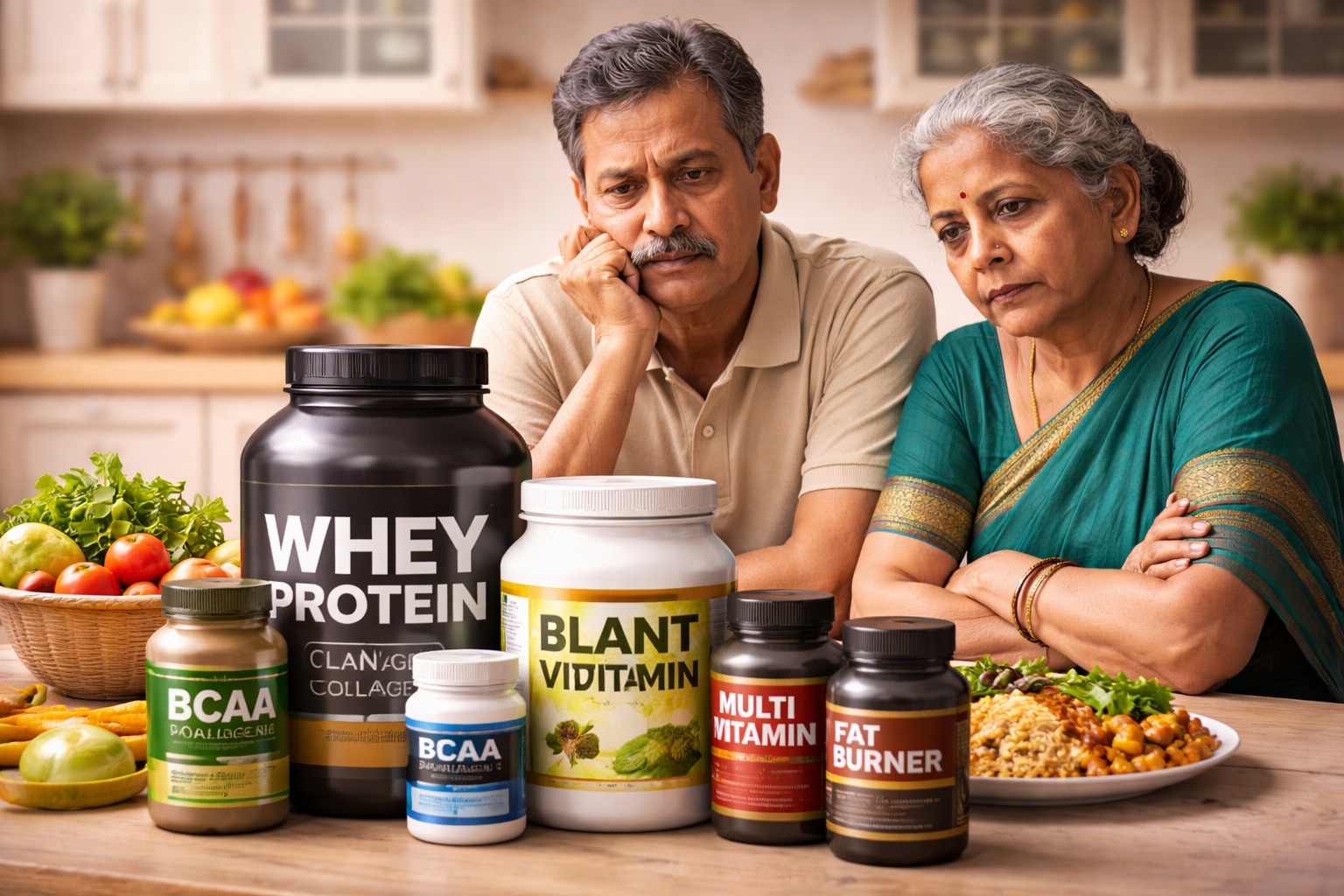
Individuals from the Baby Boomer generation, born between 1946 and 1964, and Generation X, born from 1965 to 1980, often express skepticism towards protein powders and dietary supplements. Comments such as “Are you still using protein powder? Do you know how harmful that can be?” reveal a common sentiment among these groups. Many believe that whole, unprocessed foods are the best source of nutrition, and they often dismiss supplements as unnecessary or potentially harmful. This perspective highlights a generational difference in how nutrition and modern dietary trends are understood.

Traditional Views on Food

The Baby Boomer generation grew up in an era where food was primarily fresh, seasonal, and home-cooked. They associate good health with meals made from scratch rather than with supplements that come in containers. For many from these generations, the idea of using protein powder feels strange and processed, leading to a reluctance to accept it as a viable nutrition option. Traditional staples such as lentils, bread, milk, vegetables, eggs, and meat formed their understanding of balanced meals, making protein powders seem unnecessary and even dubious.

Health Risks and Misconceptions

Concerns about protein supplements are not unfounded. Some products available in the market are overly sweetened and do not offer substantial health benefits. Excessive consumption of these powders can potentially lead to health risks. Despite this, cleaner and more transparent options are available to consumers today, highlighting the importance of scrutinizing product labels. Many Baby Boomers and Gen X individuals also associate protein supplements with bodybuilding, stemming from early exposure to gyms where they were often linked to steroid use, further complicating their perceptions of these products.

Cultural Perspectives on Nutrition

The traditional Indian food culture places a strong emphasis on natural and fresh meals, alongside concerns regarding the long-term health implications of introducing new dietary elements such as protein powders. Many individuals worry about the impact of supplements on digestion, kidney function, and dependency. Given that protein powders are still relatively new to daily nutrition regimens, there is a lack of generational experience to rely upon when considering their safety and efficacy. This uncertainty is compounded by inconsistent guidance from medical professionals, contributing to apprehensions about regular consumption.

Shifts in Dietary Needs

As individuals age, their nutritional needs change; appetites may decrease, digestion may slow, and protein requirements often increase. Individuals from earlier generations generally prefer familiar, visible foods over commercial supplements that introduce a level of confusion. While there is a biological necessity for protein, acceptance of protein powders requires a foundation of trust that has yet to be established for many within these generations.

Encouraging Acceptance Through Education

For Baby Boomers and Generation X to accept protein powders as a part of their diets, education is fundamental. Understanding protein powders as food supplements rather than medications or gym-specific products can lead to greater acceptance. Opting for cleaner, low-ingredient options and incorporating them into familiar recipes—such as adding them to milk, yogurt, or traditional meals—may ease the transition. Consulting trusted healthcare providers can also instill confidence, promoting the view of protein powders as beneficial supplements rather than replacements for a balanced diet.

Long or Short, get news the way you like. No ads. No redirections. Download Newspin and Stay Alert, The CSR Journal Mobile app, for fast, crisp, clean updates!

Latest News

Popular Videos
