


app-store-logo
play-store-logo
December 17, 2025

Full Plates, Empty Nutrition: Why Home-Cooked Meals Are Failing India
The CSR Journal Magazine

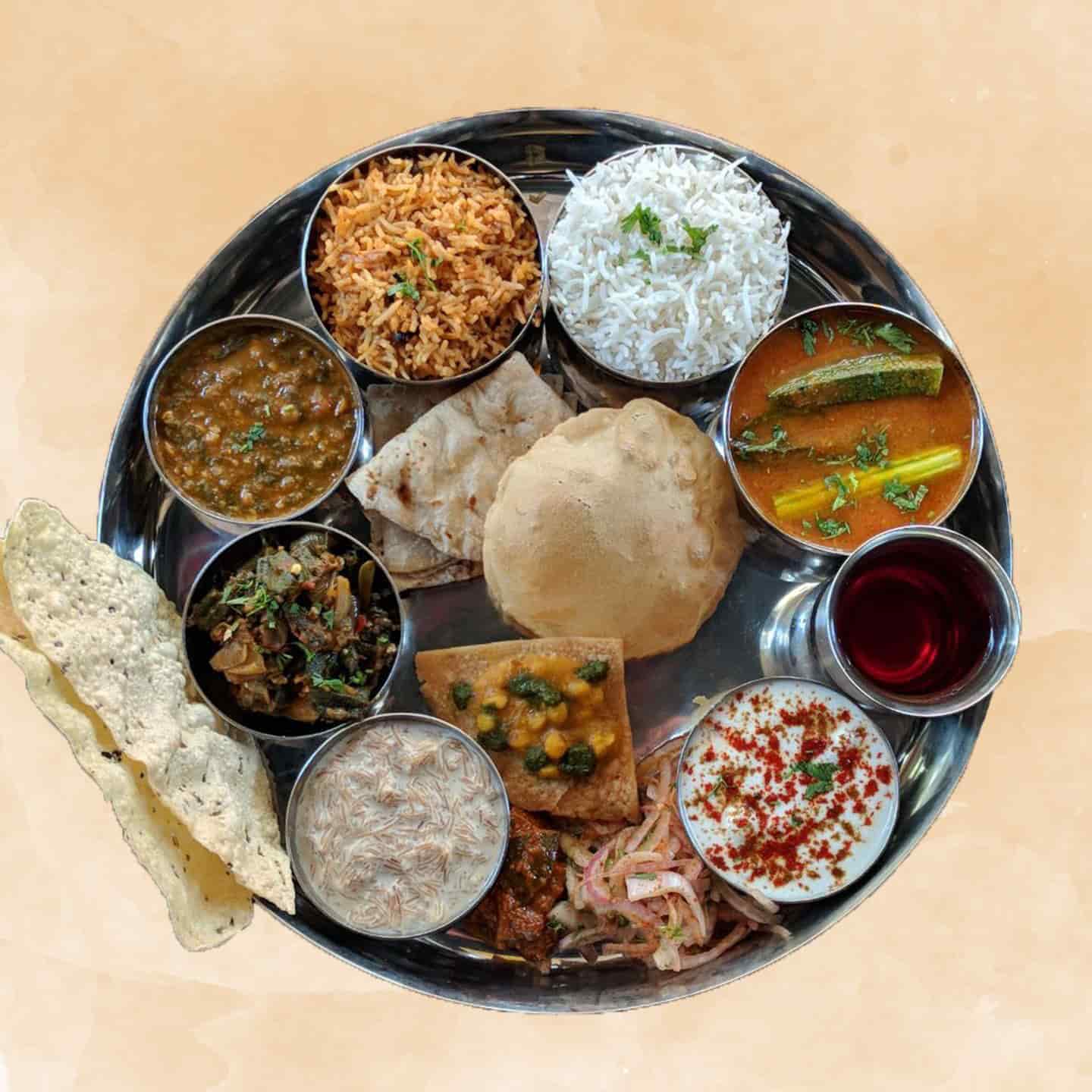
India is often celebrated for having largely overcome large-scale hunger through massive food security schemes and record foodgrain production. Yet behind this success story lies a quieter, more complex crisis. Many Indian households today eat enough in terms of quantity, but not enough in terms of quality. Most meals are cooked at home, but they are not giving people the right balance of nutrients needed for good health. This “full-plate paradox” is now emerging as one of the country’s biggest public health challenges.

A new study by the Council on Energy, Environment and Water (CEEW), based on data from about 2.6 lakh households, shows that 95 per cent of meals in India are home-cooked. Contrary to common belief, fast food and packaged snacks are not the main problem. The real issue lies in what is being cooked and served daily in Indian kitchens, and how the food system and public policies are shaping those choices.

The full-plate paradox in Indian homes

On paper, the average Indian seems to be eating an adequate amount of protein at home, around 55.6 grams a day. But when researchers looked deeper, they found that almost half of this protein comes from cereals such as rice and wheat. According to the National Institute of Nutrition, only about 32 per cent of protein should come from cereals. The rest should ideally come from better-quality sources like pulses, milk, curd, eggs, meat, and nuts.

Cereal-based protein is considered lower quality because it does not provide all the essential amino acids in sufficient amounts. When families fill their plates mainly with rice or chapati and add only small portions of dal, vegetables, or milk, they feel full but do not get enough nutrients. This imbalance is further worsened by high consumption of oil and sugar. The study found that cereals provide nearly 973 kilocalories per person per day, cooking oils add about 303 kilocalories, and sugar adds about 100 kilocalories. Together, these three sources make up more than two-thirds of daily energy intake in Indian homes.

In contrast, nutrient-rich foods contribute very little to the daily energy intake. Pulses provide around 87 kilocalories, fruits about 46 kilocalories, and green leafy vegetables only 11 kilocalories per person per day. These figures show that while plates may look full, they are full of the wrong things. A typical meal of rice or wheat, lots of oil, and very little vegetables or pulses might be filling, but it does not protect against anaemia, child malnutrition, or lifestyle diseases.

A Silent Crisis

The health consequences of this unbalanced diet are now visible in national data. India had the highest rate of child wasting in the world in 2024, at 18.7 per cent. Wasting means children are too thin for their height, often due to poor diet and frequent infections. More than 2.1 crore children in India are estimated to be wasted, showing that undernutrition is still a serious problem despite food security schemes.

Women are also bearing the brunt of poor diets. Around 53.7 per cent of women are anaemic, which means more than 20 crore women have low levels of haemoglobin in their blood. Anaemia weakens immunity, reduces work capacity, and can lead to complications during pregnancy and childbirth. A diet heavy in cereals and low in pulses, green leafy vegetables, and animal-based foods is a major reason for this widespread deficiency of iron and other micronutrients.

At the same time, India is witnessing a rise in overweight, obesity, and diet-related non-communicable diseases such as diabetes and hypertension, especially among urban and higher-income groups. These households often consume excessive amounts of oil, sugar, and salt, even though most of their food is still home-cooked. Thus, India is facing a dual burden of malnutrition: undernutrition and micronutrient deficiencies among the poor, and obesity and related diseases among the better-off.

The System Behind the Plate

It is easy to assume that people eat too much cereal and too little fruit or vegetables simply because of habit or taste. But the CEEW study and other research show that structural barriers play a big role. One of the biggest problems is post-harvest loss of perishable foods. India loses an estimated 25 to 30 per cent of its fruits and vegetables after harvest due to lack of cold storage, poor transport, and weak retail infrastructure. When a large portion of produce rots before it reaches the market, the effective supply falls and prices rise.

As a result, fruits and vegetables become too expensive for many low-income families, even when they want to eat more of them. High and unstable prices push households to fall back on cheaper, calorie-dense staples such as rice, wheat, and cooking oil. Over time, this creates a culture where a “proper meal” is defined mainly by the presence of roti or rice in large portions, and not by a colourful mix of vegetables, pulses, and other nutrient-rich items.

Income inequality further deepens this nutrition divide. The poorest 10 per cent of the population consumes only about one-third of the recommended amount of milk, while the richest households consume more than the recommended level, at around 110 per cent. The richest also consume about 1.5 times more protein and almost double the amount of fat compared to the poorest. This shows that while awareness and behaviour matter, the main driver of nutritional inequality remains unequal access to diverse and affordable foods.

The Decline of Coarse Grains and Traditional Diversity

Another worrying trend is the sharp fall in consumption of coarse grains like jowar, bajra, and ragi, which are often called millets. These grains are rich in fibre, minerals, and micronutrients such as iron and calcium. They are also more climate-resilient and require less water compared to rice and wheat, making them important for sustainable agriculture in a warming world.

However, per capita consumption of these coarse grains has fallen by almost 40 per cent in the past decade. Today, Indians meet only about 15 per cent of the recommended intake of millets and similar grains. Several factors are responsible for this decline. Public procurement and distribution systems have heavily favoured rice and wheat, influencing both farmers’ cropping decisions and consumers’ eating patterns. Urbanisation and changing aspirations have also played a role, as many people see rice and wheat as more “modern” or “refined” options compared to traditional millets.

This shift away from diverse, traditional cereals to a narrow cereal basket dominated by rice and wheat has reduced the overall nutritional quality of diets. It has also made farming systems less resilient. Efforts to reintroduce millets through campaigns and special programmes are gaining momentum, but they need to be backed by large-scale policy reforms, market support, and consumer awareness.

Rethinking Public Food Programmes

Given the scale of India’s nutrition crisis, reforming public food schemes has become essential. Currently, major programmes such as the Public Distribution System (PDS) mainly supply rice and wheat at subsidised rates. While this has been successful in preventing hunger and providing basic calories, it has also reinforced cereal-heavy diets. Similarly, school meals under the PM POSHAN scheme (formerly Mid-Day Meal) and take-home rations given through Anganwadi centres often struggle to consistently include sufficient pulses, eggs, fruits, and vegetables due to budget and supply issues.

Experts now argue that these schemes must move beyond just filling stomachs to building healthier bodies and minds. The CEEW study recommends diversifying the food basket of PDS, PM POSHAN, and Anganwadi services. This means gradually increasing the share of millets, pulses, and high-quality protein sources like eggs, as well as incorporating more vegetables and, where feasible, fruits. Some states have already begun pilot projects to include millets in school meals and distribute them through PDS, but a nationwide push is still needed.

Any such reform will require careful planning. Procurement systems will have to be adjusted so that farmers are encouraged to grow a wider range of crops. Supply chains and storage facilities must be strengthened to handle more perishable items. Budget allocations will also need to be revised to reflect the higher cost of nutrient-dense foods compared to cereals. However, these investments are likely to pay off in the long run through better health outcomes, higher productivity, and lower healthcare costs.

A Call for Diversification

The phrase “diversification from fork to farm” sums up the new approach suggested by researchers. Traditionally, policy has focused on what farmers should grow, with consumers adjusting their diets accordingly. The new thinking argues that the process must work both ways. On the one hand, consumer awareness campaigns can help families understand why filling half the plate with cereals and loading dishes with oil is harmful in the long term. On the other hand, the food system must make it easy and affordable for them to act on this knowledge.

Diversification “from fork” means encouraging households to include more pulses, vegetables, fruits, dairy, eggs, and millets in their daily meals. Simple changes such as increasing the quantity of dal in every meal, adding one seasonal vegetable more regularly, replacing some rice or wheat with millets, and cutting down excess oil and sugar can make a big difference. Public communication through schools, community workers, health centres, and media can support this gradual shift in food habits.

Diversification “to farm” means reshaping agricultural policies so that they respond to this new pattern of demand. If more families start asking for millets, vegetables, and pulses, but farmers still receive the best price support only for rice and wheat, the system will not change. Minimum support prices, procurement policies, and crop insurance schemes need to reflect the nutritional needs of the population and the realities of climate change. Linking farmers to local institutions like schools and Anganwadis through decentralised procurement can also create stable markets for diverse crops.

Towards a Healthier Indian Kitchen

India’s nutrition crisis cannot be solved by blaming fast food alone or by focusing only on individual willpower. The problem is rooted in a combination of cultural habits, economic constraints, infrastructural gaps, and policy choices that have made cereal-heavy, oil-rich meals the default option for millions of households. Home-cooked food, which is often seen as automatically healthy, can also be unbalanced and harmful when it lacks diversity.

Addressing this crisis will call for coordinated action on several fronts. Strengthening storage and transport for fruits and vegetables, reforming public food programmes to include more diverse foods, reviving traditional grains, and promoting simple, practical nutrition messages are all part of the solution. The goal is not to abandon staples like rice and wheat, but to rebalance the plate so that cereals no longer dominate at the cost of pulses, vegetables, fruits, and good-quality proteins.

If India succeeds in turning its focus from mere calorie security to true nutrition security, the impact will be felt across generations. Children will grow taller and healthier, women will be stronger and less anaemic, and adults will face lower risks of diabetes and heart disease. The home kitchen, supported by smarter policies and stronger supply chains, can then become the first and strongest line of defence against malnutrition in all its forms.

Long or Short, get news the way you like. No ads. No redirections. Download Newspin and Stay Alert, The CSR Journal Mobile app, for fast, crisp, clean updates!

App Store –  https://apps.apple.com/in/app/newspin/id6746449540 

Google Play Store – https://play.google.com/store/apps/details?id=com.inventifweb.newspin&pcampaignid=web_share

Latest News

Popular Videos
