


Fixed vs Floating Home Loan Rates in 2026: Which is Better for Borrowers?
The CSR Journal Magazine

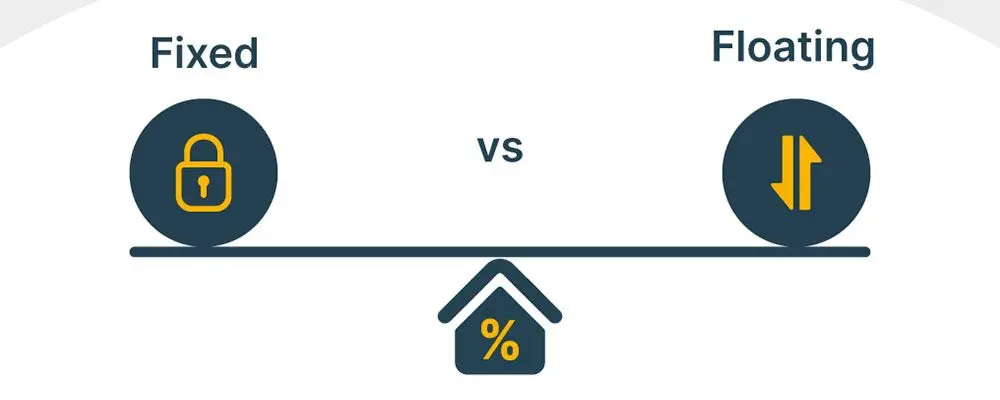
In the context of fluctuating interest rates, the year 2026 marks a pivotal moment for borrowers. Following a calculated easing by the Reserve Bank of India in late 2025, the repo rate is currently set at 5.25%. This adjustment has led to changes in lending rates, with floating home loan rates ranging from 7.10% to 8.50%, influenced by the lender and the profile of the borrower. In contrast, fixed-rate loans are typically offered at a higher premium, with rates between 9.50% and 11%. The notable difference between these two options corresponds to the cost associated with financial certainty.

Financial Implications of Loan Types

For a borrower considering a home loan of Rs 50 lakh over a span of 20 years, the structural distinctions between floating and fixed rates become evident. With a floating rate set at 7.5%, the equated monthly installment (EMI) is approximately Rs 40,000. Conversely, at a fixed rate of 10%, the EMI increases to nearly Rs 48,000. This monthly disparity of around Rs 8,000 accumulates significantly over the loan term, indicating that fixed-rate borrowers are paying a premium for greater stability against future interest rate fluctuations.

Understanding Interest Rate Movements

The critical consideration for borrowers is not merely whether interest rates will fluctuate—this is a given—but whether their financial situation can withstand such changes. Floating loans, which are tied to options like the repo rate, adjust relatively swiftly to policy updates. A minor decrease of 25 to 50 basis points can substantially reduce total interest over time. However, an increase necessitates higher monthly payments or potentially extends the loan duration. Over two decades, even a one percentage point increase can result in significant additional repayments.

Borrower Profiles and Financial Strategy

Given the inherent unpredictability of rate forecasting, with inflation trends and global commodity changes influencing policy direction, it is crucial to base borrowing decisions on financial resilience rather than speculation. Households that have rigid monthly expenses and minimal liquidity may prioritize loan repayment stability over possible savings. This predictability can alleviate financial strain and aid in long-term financial discipline.

Hybrid Loan Structures on the Rise

Conversely, borrowers experiencing steady income growth, with a diversified savings portfolio, might find floating loans advantageous. These borrowers can use opportunities to prepay their loans during periods of surplus, thereby offsetting potential interim volatility in rates. A noteworthy trend emerging in 2026 is the popularity of hybrid loan products. These loans typically offer a fixed rate for the first two to three years, transitioning to a floating rate thereafter. This approach acknowledges the reality that early homeownership often involves substantial spending on renovations and lifestyle changes, allowing for initial stability followed by greater flexibility as financial circumstances evolve.

Conclusion on Loan Choices in 2026

The ongoing discourse regarding fixed versus floating home loans in 2026 focuses less on accurately predicting the Reserve Bank of India’s next steps and more on evaluating risk at an individual household level. Presently, floating rates offer a distinct financial advantage due to their lower pricing, while fixed rates provide greater payment certainty. Ultimately, the optimal choice is contingent upon the borrower’s ability to manage variability in their financial commitments while maintaining stability throughout the homeownership journey.

Long or Short, get news the way you like. No ads. No redirections. Download Newspin and Stay Alert, The CSR Journal Mobile app, for fast, crisp, clean updates!

App Store –  https://apps.apple.com/in/app/newspin/id6746449540 

Google Play Store – https://play.google.com/store/apps/details?id=com.inventifweb.newspin&pcampaignid=web_share

Latest News

Popular Videos
