


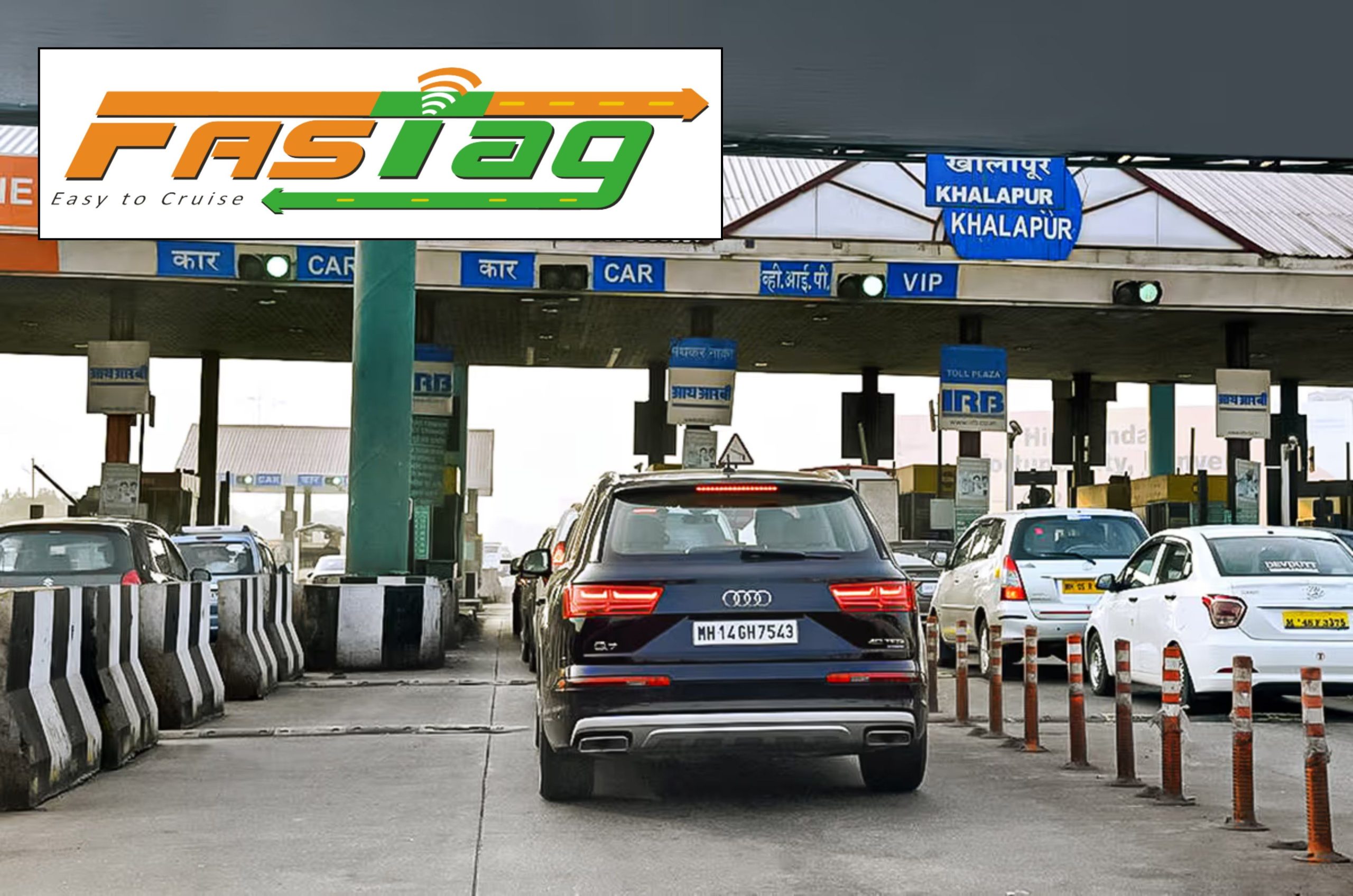

From February 1, getting a new FASTag for four-wheelers will become easier. The National Highways Authority of India has decided to discontinue the Know Your Vehicle process for new FASTag issuances.
The National Highways Authority of India (NHAI) has announced that the KYC verification process for FASTag will be fully removed. From February 1, no extra KYC verification will be needed after activating a FASTag. The banks issuing FASTags will take full responsibility for verifying the vehicle information.
From February 1, 2026, the National Highways Authority of India (NHAI) has removed the mandatory Know Your Vehicle (KYV) process after FASTag activation for private vehicles (cars, jeeps, vans). This means no extra KYC documentation or verification is required after initial activation, reducing delays and simplifying the user experience.
Banks are now solely responsible for verifying vehicle details during issuance. The move is aimed at reducing inconvenience for highway users and making toll payments smoother. This decision was made to enhance public convenience and eliminate the “post-activation harassment” and delays faced by vehicle owners who previously had to complete verification even after their FASTag was issued.
What is FASTag?
FASTag is a prepaid, rechargeable electronic toll collection system in India that uses Radio Frequency Identification (RFID) technology to allow automatic, cashless toll payments. Affixed to a vehicle’s windscreen, the system enables seamless, non-stop travel through toll plazas, reducing congestion and saving fuel.
FASTag utilises passive RFID technology to communicate with scanners at over 1,000+ toll plazas across national and state highways. It is required for all vehicles (Classes M and N, including cars, trucks, and buses) to enable automatic, non-stop passage.
The tag is linked to a prepaid account, savings account, or wallet, from which toll charges are deducted instantly. The tags are valid for 5 years and can be replenished as needed. They are available through IHMCL, banks (like ICICI, Axis, SBI), Axis Bank, POS locations at toll plazas, and online platforms like Airtel Payments Bank and Amazon.
FASTag Update: What you should know
The requirement to update KYC after a FASTag is already activated has been scrapped. Banks issuing the tags must now conduct thorough verification via the VAHAN database before issuing the tag, preventing issues with incorrect or misused tags. This step aims to eliminate the need for users to repeatedly upload documents, reducing hassle and ensuring smoother, faster passage at toll plazas.
The KYV process will only be triggered if complaints are filed regarding loose tags, incorrect issuance, or misuse. For existing FASTag users, KYV will no longer be a routine requirement. It will only be needed in special cases, such as complaints related to misuse, incorrect tagging or technical issues. This applies to all new and existing private vehicle FASTags.
FASTag Update: What Banks should know
To ensure accuracy, compliance, and system integrity while simplifying the process for users, NHAI has simultaneously strengthened pre-activation validation norms for Issuer Banks. FASTag activation will be permitted only after validation of vehicle details from the VAHAN database.
The earlier provision allowing validation after activation has been discontinued. Where vehicle details are not available on VAHAN, Issuer Banks must validate details using the Registration Certificate (RC) before activation, with full accountability.
FASTags sold through online channels will also be activated only after complete validation by banks.
Long or Short, get news the way you like. No ads. No redirections. Download Newspin and Stay Alert, The CSR Journal Mobile app, for fast, crisp, clean updates!
App Store – https://apps.apple.com/in/app/newspin/id6746449540
Google Play Store – https://play.google.com/store/apps/details?id=com.inventifweb.newspin&pcampaignid=web_share