


app-store-logo
play-store-logo
March 3, 2026

ETFs vs Mutual Funds: Key Differences in Costs, Risks & Tax Implications for Investors
The CSR Journal Magazine

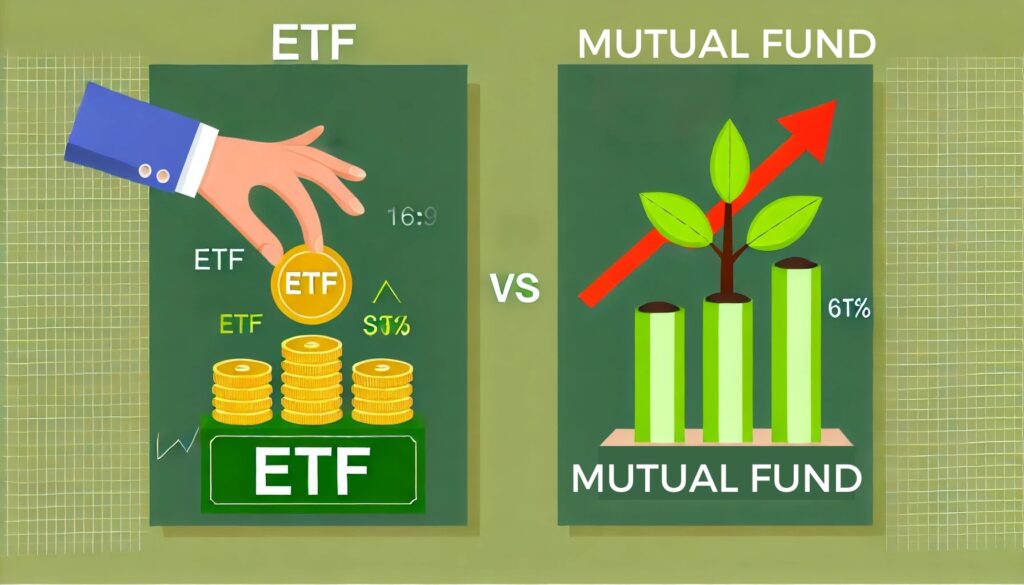
Exchange-Traded Funds (ETFs) and mutual funds are two prevalent investment vehicles that cater to distinct needs. Investors often find themselves contemplating which option aligns better with their financial goals, risk appetite, and investment strategies. Both types of funds have unique characteristics that can influence decision-making.

Cost Comparison

One of the significant factors to consider when choosing between ETFs and mutual funds is the cost structure. ETFs usually have lower expense ratios than mutual funds, making them a cost-effective option for many investors. This is primarily due to their passive management style, as ETFs often track an index rather than being actively managed. Meanwhile, mutual funds may carry higher fees due to active management and the administrative costs associated with fund management.

SIP Facility

Systematic Investment Plans (SIPs) have gained popularity among retail investors for both ETFs and mutual funds. SIPs enable investors to invest a fixed amount at regular intervals, promoting disciplined investing. However, most mutual funds offer SIP facilities, while not all ETFs have the same flexibility. Consequently, investors interested in making regular, automated contributions may find mutual funds more suitable for their needs.

Risk Considerations

Risk is an essential factor in investment decision-making. Both ETFs and mutual funds expose investors to market risks, but the degree may vary. ETFs are traded on stock exchanges, leading to price fluctuations during trading hours. This can potentially increase the risk associated with them, especially for active traders. In contrast, mutual funds are priced once daily after the market closes, providing a level of liquidity and timing certainty that may appeal to some investors.

Tax Implications

Tax treatment for ETFs and mutual funds can differ significantly, impacting the investor’s net returns. Generally, capital gains taxes apply when an investor sells their shares in both ETFs and mutual funds. However, ETFs may offer more tax-efficient structures since they can minimize taxable distributions through their unique creation and redemption process. Investors should be aware of potential tax obligations based on their investment strategy and the specific fund structure they choose.

Choosing the Right Option

Selecting between ETFs and mutual funds ultimately depends on an investor’s individual financial objectives, investment horizon, and risk tolerance. Those seeking a low-cost, flexible investment option might lean toward ETFs, especially if they have the ability to manage the inherent market risks. Conversely, investors preferring a more hands-off approach with built-in professional management might find mutual funds more advantageous. Taking the time to review specific fund features, fee structures, and investment strategies is crucial for making an informed decision.

Final Thoughts on ETF and Mutual Fund Investments

The landscape of investment options continues to evolve, with both ETFs and mutual funds providing valuable avenues for wealth creation. Understanding the distinct attributes of each type of fund is essential for making well-informed investment choices tailored to individual financial goals. By analyzing various dimensions such as cost, risk, and tax implications, investors can align their strategies with their specific requirements. Financial literacy remains fundamental for navigating these investment choices effectively.

Long or Short, get news the way you like. No ads. No redirections. Download Newspin and Stay Alert, The CSR Journal Mobile app, for fast, crisp, clean updates!

App Store –  https://apps.apple.com/in/app/newspin/id6746449540 

Google Play Store – https://play.google.com/store/apps/details?id=com.inventifweb.newspin&pcampaignid=web_share

Latest News

Popular Videos
