


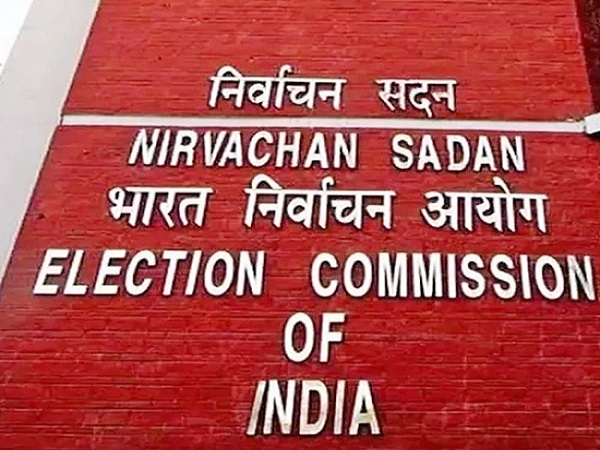

With the 2026 Assembly Elections fast approaching, the Election Commission of India has initiated a massive restructuring of West Bengal’s administrative and security framework to ensure a “violence-free and fair” voting process.
In a sweeping move, the ECI has ordered the immediate transfer of 13 District Magistrates (DMs) and District Election Officers (DEOs). The reshuffle impacts key districts including Cooch Behar, Jalpaiguri, North Dinajpur, Malda, Murshidabad, Nadia, East Burdwan, Darjeeling, Alipurduar, and both North and South Kolkata. Notably, three of the transferred IAS officers were previously involved with the SMILE project.
In the police department, Indira Mukherjee has been removed from her post as DC Central. She is succeeded by IPS Y.S. Jagannath Rao, who will retain his current responsibilities as DC Traffic while taking on the additional charge of DC Central.
Unprecedented Security Deployment
To maintain law and order across five election-bound states, the Commission is deploying a staggering 2.5 million officials. The breakdown for the security and management apparatus includes:
1.5 million polling personnel and 850,000 security staff.
1,111 Central Observers specifically for West Bengal.
49,000 micro-observers and 21,000 sector officers.
Chief Election Commissioner Gyanesh Kumar has issued a stern directive to observers to ensure that voters can exercise their franchise without fear or inducement. Observers have been mandated to maintain daily public hours to address grievances from candidates and citizens alike.
Political Heat: Dual Candidacies and Alliance Deadlocks
The political landscape is equally volatile as parties finalize their candidates. In a high-stakes move, BJP leader Suvendu Adhikari is set to contest from two seats: Nandigram and Bhawanipur. Mirroring this strategy, Humayun Kabir, leading the ‘Am Janata Unnayan Party,’ has announced he will also contest from two constituencies, shifting away from his traditional Bharatpur base. Kabir’s party has released its first list of candidates for 182 seats, focusing heavily on Malda and Murshidabad.
Meanwhile, the “Third Front” faces internal friction. Despite prolonged negotiations, the Left Front and the ISF (Indian Secular Front) remain deadlocked over seat-sharing. While both sides express a desire for an alliance, disputes over specific constituencies continue to stall a final agreement.