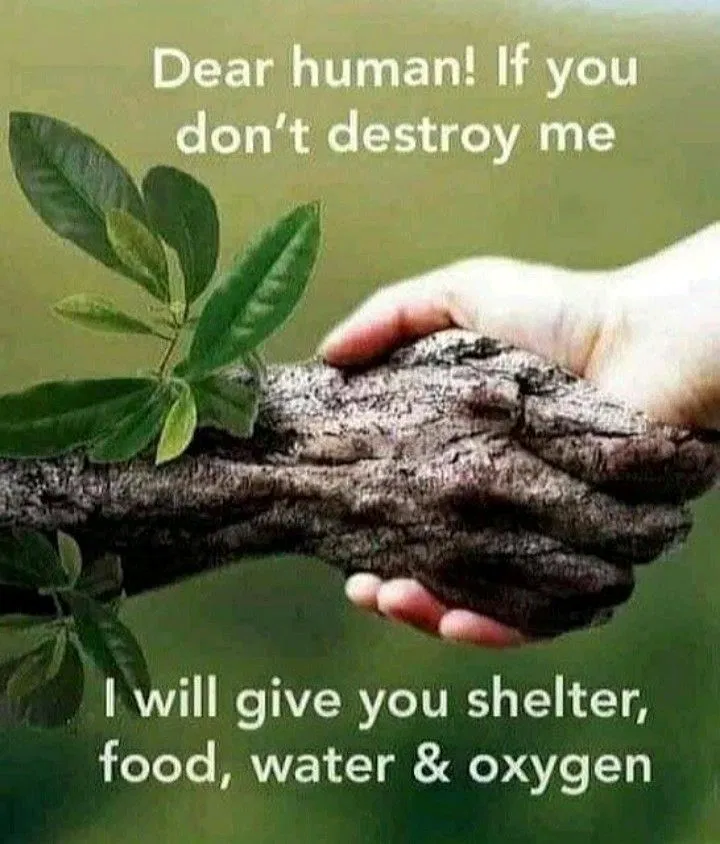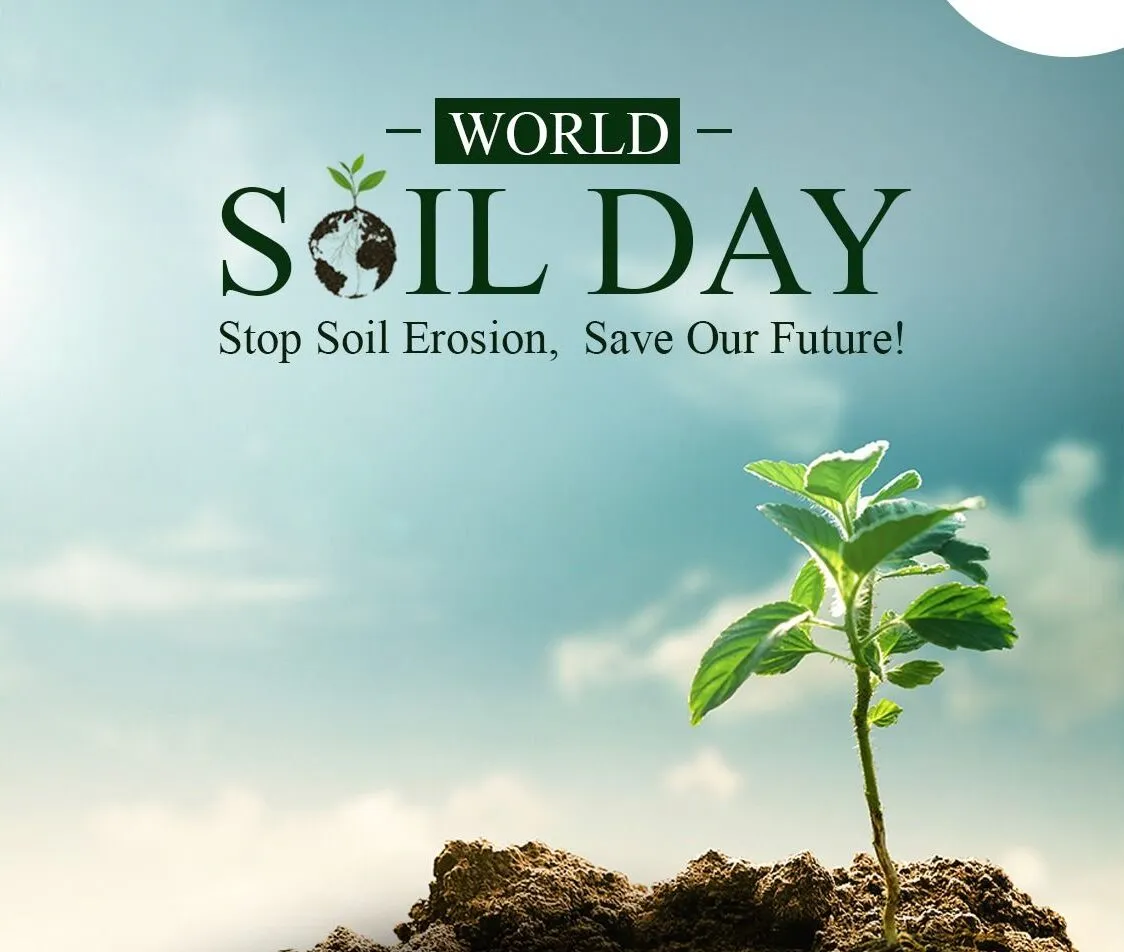

If soil could speak, it would probably whisper stories of every seed it has ever cradled, every raindrop it has ever absorbed, and every creature it has quietly sheltered. But soil doesn’t speak—it simply gives. And that is exactly why World Soil Day, celebrated every year on December 5, matters so much. It reminds us to pause, look down, and acknowledge the silent hero beneath our feet that holds life together in ways we rarely notice.
We often talk about the oceans, the forests, the monsoon, the climate—yet soil stays in the background, doing its work without applause. But the truth is simple: healthy soil is the foundation of all life on land. Every fruit on your plate, every flower in your garden, every forest that keeps our air clean roots itself in soil. It’s the world’s quiet multitasker—supporting food, filtering water, hosting biodiversity, and even helping regulate the climate.
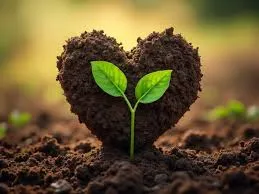
Take a moment to imagine this: more than half of the food on our planet comes from just a few inches of topsoil. A thin layer that took thousands of years to form can be destroyed in a matter of decades. And right now, that destruction is happening faster than ever. Pollution, deforestation, excessive chemical use, and careless construction are stripping the soil of its richness. When the soil weakens, crops fail, water becomes contaminated, and ecosystems collapse. It’s like pulling threads from a tightly woven fabric—eventually, the whole structure unravels.
That’s why World Soil Day isn’t just another eco-observance—it’s a wake-up call. It’s a reminder that soil needs care, just like we do. And the good news? We can help more than we think.
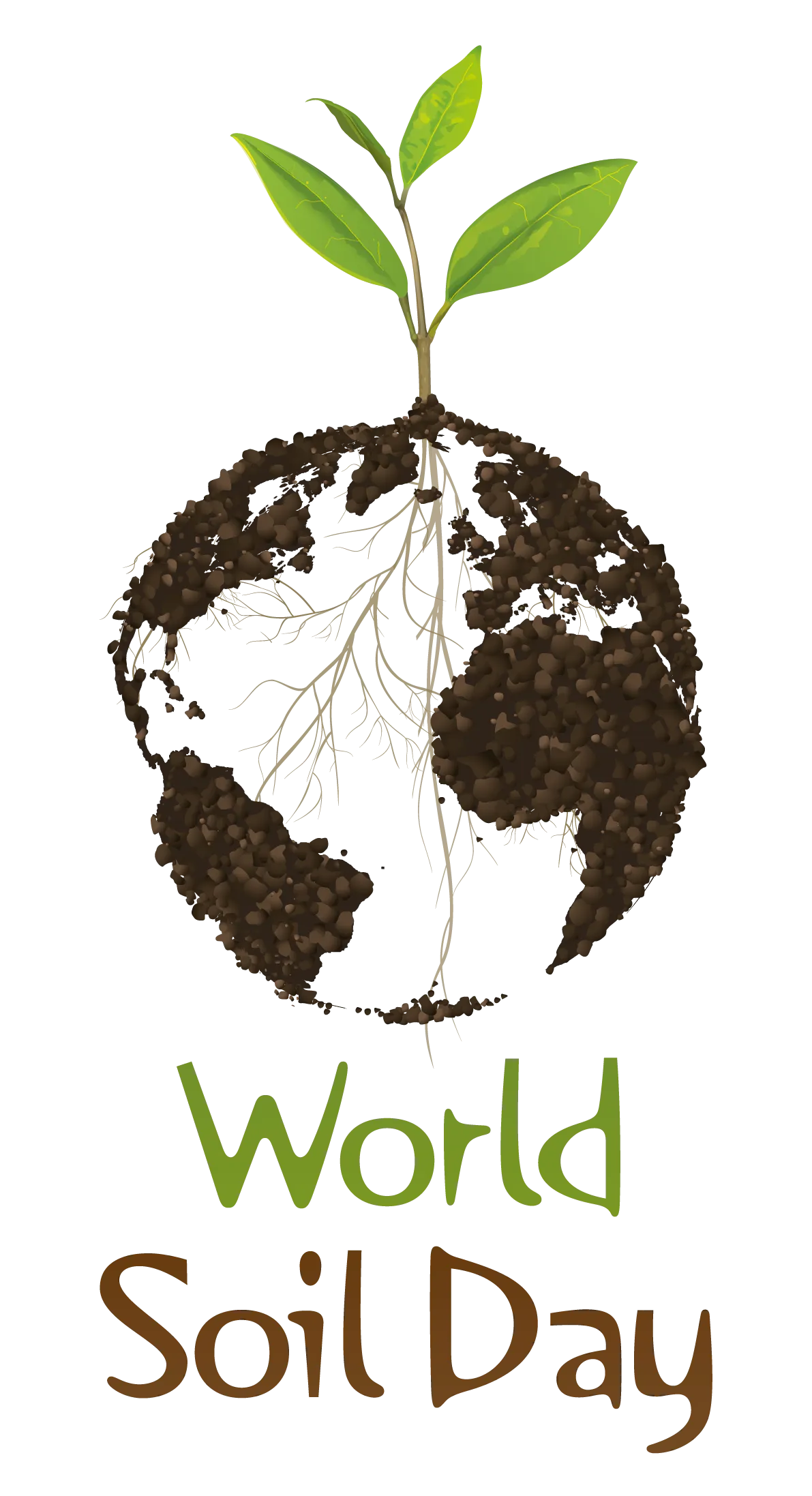
Around the world, farmers are turning to sustainable soil practices that bring exhausted land back to life. Communities are learning how simple habits—like composting kitchen waste, growing local plants, or even avoiding harmful chemical sprays—can make the ground healthier and more resilient. Composting transforms leftovers into a natural fertilizer richer than anything you can buy in a store. Crop rotation gives soil time to breathe and recover, keeping pests at bay naturally. Organic farming nourishes the land instead of depleting it, allowing nature to restore its balance.
These aren’t just agricultural methods; they’re acts of gratitude towards the earth.
But soil conservation is not just the job of farmers or gardeners. Governments must act too—through better land-use policies, stricter controls on industrial waste, and support for sustainable farming. When policymakers protect soil, they protect food security, clean water, and climate stability for millions. It’s an investment that pays back in every harvest, every forest, and every drop of groundwater.
And what about us—those of us who don’t grow crops or live close to farms? We still have a role. We can reduce waste, support organic produce, plant native species, and encourage sustainable choices in our communities. Even simply learning about soil and sharing its importance is a step forward. Change begins with awareness, and awareness begins with understanding what’s at stake.
At its heart, World Soil Day is a reminder to reconnect with the ground we walk on every day without noticing. Soil may not sparkle like the oceans or tower like the mountains, but it is the quiet force holding our world together. It feeds us, heals us, shelters us, and sustains the web of life in ways we’re only beginning to appreciate.