


Donald Trump Temporarily Suspends Jones Act to Ease Fuel Costs, Allow Foreign Shipping
The CSR Journal Magazine

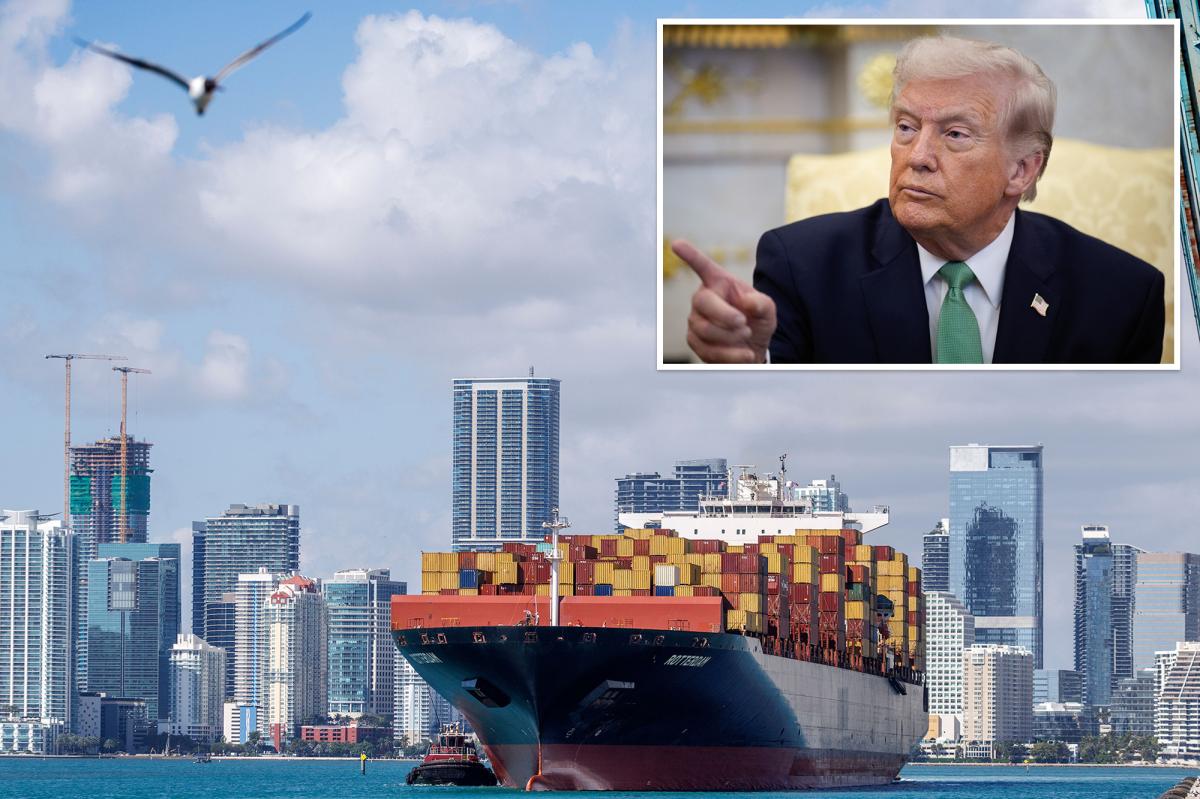
In a bid to address increasing fuel prices, US President Donald Trump has announced the temporary suspension of the Jones Act, a maritime shipping law that has been in place for over a century. The waiver, issued by the White House, is valid for 60 days and permits foreign-flagged vessels to transport cargo to United States ports. Typically, the Jones Act mandates that goods moving between US ports must be carried by vessels that are US-built, US-flagged, and primarily US-owned, a requirement that significantly restricts the availability of tankers for domestic shipments.

Critiques of the Waiver’s Effectiveness

Several maritime industry groups expressed skepticism regarding the effectiveness of the waiver. Leaders from the American Maritime Officers union indicated in a letter to the President that the suspension would unlikely result in a decrease in gasoline prices. They pointed out that the primary factor influencing gasoline prices is the cost of crude oil rather than domestic shipping expenses. The union also raised concerns that the waiver might favor foreign operators who do not adhere to US tax regulations, labor standards, or safety regulations.

Rationale Behind the Waiver

The Trump administration has positioned the waiver as a necessary, albeit temporary, action aimed at lowering shipping costs and expediting the delivery of essential resources. White House press secretary Karoline Leavitt communicated that the initiative would allow critical supplies, including oil, natural gas, fertilizer, and coal, to reach US ports more efficiently. This announcement coincides with a period of heightened tensions due to ongoing conflict involving the US and Israel against Iran, with significant implications for the global oil supply.

Impact of Conflict on Maritime Shipping

The ongoing conflict has prompted Iran to largely obstruct maritime traffic through the Strait of Hormuz, a crucial transit route for approximately 20% of the world’s oil and liquefied natural gas. Since the escalation of hostilities on February 28, the number of vessels traversing the strait has sharply diminished, with approximately 90 ships passing through and 20 vessels reported to have been attacked in the region. Furthermore, over 400 ships remain stranded near this passage, contributing to increased fuel prices globally.

Strategic Petroleum Reserve Release

In an effort to mitigate domestic fuel prices, Trump has previously announced plans to release 172 million barrels of oil from the Strategic Petroleum Reserve. Analysts state that the waiver could potentially complement this strategy by facilitating smoother transportation of fuel from the Gulf Coast to various regions of the US. However, experts caution that while the waiver may assist in logistics, it is unlikely to generate a significant increase in supply or lead to substantial cost reductions.

Market Reactions and Future Projections

Market responses to the waiver have revealed a downward trend, with both the Nasdaq and S&P 500 indices declining by 0.5%, and the Dow Jones Industrial Average decreasing by 0.8% during midday trading. Conversely, shipping companies have seen an uptick in stock prices, with shares of Maersk and Hapag-Lloyd AG, both of which had paused operations through the strait, increasing by 2.5% and 2.6% respectively. Analysts contend that while the waiver may facilitate cost savings in logistics, its direct influence on consumer prices at the pump is expected to be minimal.

Long or Short, get news the way you like. No ads. No redirections. Download Newspin and Stay Alert, The CSR Journal Mobile app, for fast, crisp, clean updates!

App Store –  https://apps.apple.com/in/app/newspin/id6746449540 

Google Play Store – https://play.google.com/store/apps/details?id=com.inventifweb.newspin&pcampaignid=web_share

Latest News

Popular Videos
