


Denied Dignity Even After Death: Minorities in Pakistan Face Challenges in Burial Practices
The CSR Journal Magazine

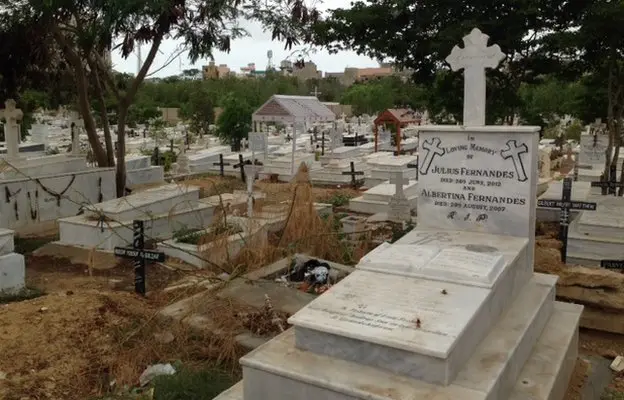
In Pakistan, the situation for minority communities, notably Christians, has become increasingly troubling regarding burial practices. A critical shortage of graveyard space has transformed the grieving process into a significant challenge, raising severe ethical and human rights issues. Reports indicate that families often find themselves forced to inter their loved ones in overcrowded cemeteries or are compelled to reuse existing graves due to the lack of available plots.

Encroachments by land mafias have further diminished the space available for burials, compounding the issue. Historic cemeteries such as Gora, Wazir Bagh, Kohati, and Nauthia—established prior to the partition in 1947—were never intended to accommodate the current population’s needs. This has led to practices wherein remains from older graves are exhumed to make way for new burials, causing considerable emotional distress and igniting family disputes.

Despite the potential for conflict, many minority families feel they have no other options. Zulfiqar Masih, a government employee, voiced concerns about the denial of basic rights to minorities, stating that even as citizens, they are still denied access to proper burial spaces. This difficult situation is not limited to Christians; Hindus and Sikhs are also experiencing similar obstacles in securing dignified final resting places.

While successive administrations, including the Pakistan Tehreek-e-Insaf (PTI) government in Khyber Pakhtunkhwa, have made commitments to address these issues, follow-through has proven inadequate. Recent census data reveals that minorities constitute 3.3% of Pakistan’s population, with notable communities located in Punjab, Sindh, Khyber Pakhtunkhwa, Islamabad, and Balochistan. However, activists contend that these policy commitments have not led to meaningful progress for these communities.

Haroon Sarabdyal, a social worker, emphasized that the funds earmarked for the development of minority graveyards have not resulted in visible improvements. He criticized proposals aiming to allocate burial sites in remote areas, arguing that such plans would hinder accessibility and raise security concerns for already vulnerable populations. Additionally, the lack of adequate representation for minorities within the Khyber Pakhtunkhwa government further exacerbates their plight, as these communities lack a direct voice in advocating for their rights.

Despite persistent attempts to engage with government officials regarding these pressing issues, there has been a noticeable absence of responses. The struggle for proper burial practices among minority communities in Pakistan continues to raise significant ethical concerns and calls for urgent attention from policymakers and society at large.

Long or Short, get news the way you like. No ads. No redirections. Download Newspin and Stay Alert, The CSR Journal Mobile app, for fast, crisp, clean updates!

App Store –  https://apps.apple.com/in/app/newspin/id6746449540 

Google Play Store – https://play.google.com/store/apps/details?id=com.inventifweb.newspin&pcampaignid=web_share

Latest News

Popular Videos
