


Delhi-NCR Experiences Heavy Dust Storm Affecting Air Quality
The CSR Journal Magazine

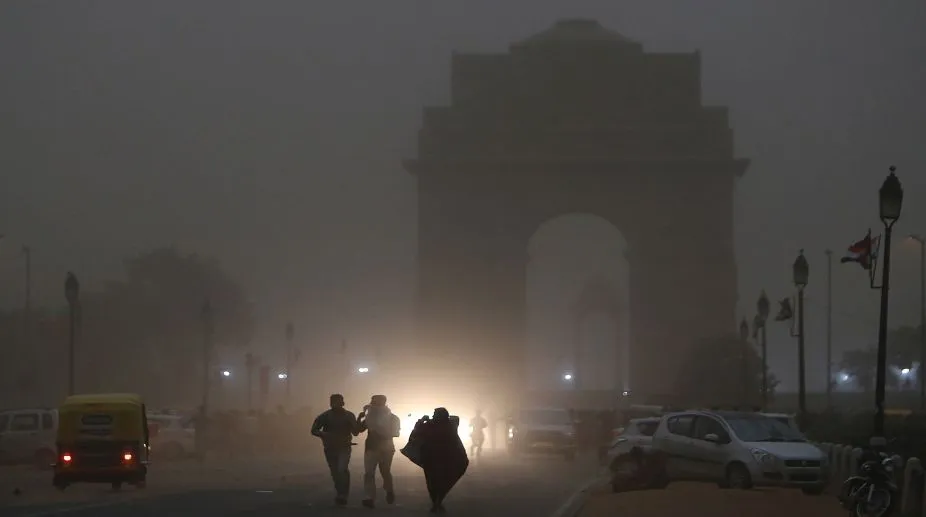
Delhi and the surrounding National Capital Region (NCR) faced a significant dust storm today, leading to hazy skies and a marked decline in visibility. This atmospheric shift is attributed to a powerful weather system known as a western disturbance, which originates from the Mediterranean region and moves eastwards towards northern India. Such disturbances often induce abrupt changes in weather, including strong winds and dust storms, particularly during seasonal transitions.

The recent interaction of this western disturbance with unusually warm surface temperatures over northern India has resulted in atmospheric instability. Consequently, winds purportedly reached speeds of 40 to 50 kilometres per hour across the Delhi-NCR area, stirring up considerable amounts of loose dust and creating the chaotic weather conditions observed today.

Source of Dust Particles

Experts in meteorology have noted that the dust enveloping Delhi is primarily not sourced locally. It has been transported over considerable distances by robust winds originating from arid regions. Key contributing sources include the Thar Desert in Rajasthan, as well as areas in Balochistan and central Pakistan. The high wind speeds enable the lifting of fine sand and dust particles into the atmosphere, allowing them to travel hundreds of kilometres.

Once the wind speeds diminish over the Delhi-NCR region, the airborne particles can remain suspended, contributing to the thick haze currently blanketing the skies. Additionally, a lack of rainfall in recent weeks has rendered the soil drier and more susceptible to erosion, further exacerbating the dust situation. The rise in temperatures preceding the summer season has intensified dust activity, compounding the current weather conditions.

Dust storms in Delhi are frequently of a short duration but are characterised by their intensity. The quick movement of these weather systems causes a rapid rise of warm air at ground level, which then attracts cooler air and moisture from upper layers of the atmosphere. This process explains the swift transition experienced by residents, as day-to-day weather can change dramatically from clear skies to ironically dusty winds within just hours.

Future Outlook for Weather Conditions

The India Meteorological Department (IMD) has forecasted that this unstable weather pattern may persist in the coming days, with the potential for additional dust storms followed by rainfall. Rain typically aids in settling airborne particles, which could lead to improved air quality in the aftermath of such storms.

The existing situation serves as a reminder of Delhi’s susceptibility to external weather influences, where strong winds from distant deserts can rapidly alter the environmental conditions in the capital. This phenomenon highlights the intricate relationship between regional weather systems and local air quality, demonstrating how swiftly atmospheric changes can affect urban life.

As the regions continues to grapple with these weather challenges, local authorities and citizens may need to remain vigilant, particularly regarding health advisories linked to air quality. This dust storm event underscores the ongoing impact of regional morphology and climatic factors on metropolitan areas like Delhi and NCR.

Long or Short, get news the way you like. No ads. No redirections. Download Newspin and Stay Alert, The CSR Journal Mobile app, for fast, crisp, clean updates!

App Store –  https://apps.apple.com/in/app/newspin/id6746449540 

Google Play Store – https://play.google.com/store/apps/details?id=com.inventifweb.newspin&pcampaignid=web_share

Latest News

Popular Videos
