


Delhi Experiences October with Worst Air Quality Since 2020
The CSR Journal Magazine

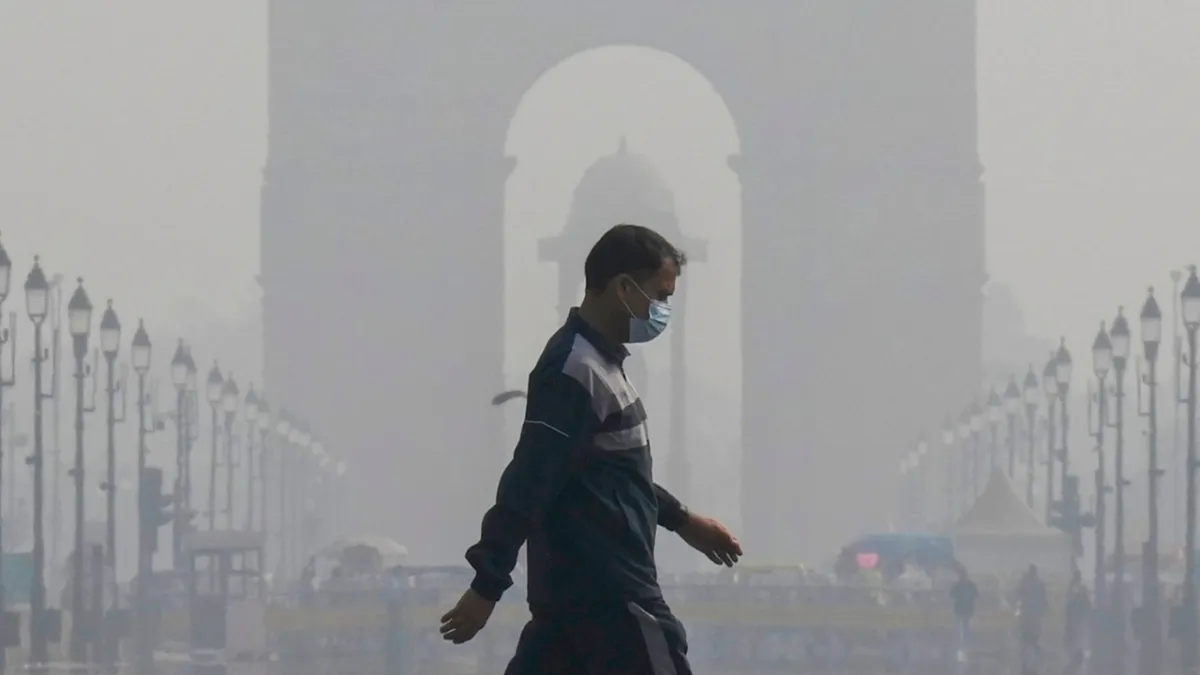
Delhi has started October with a significant decline in air quality, just days after the city enjoyed its cleanest September in several years. On October 4, the average Air Quality Index (AQI) skyrocketed to 187, marking the highest level in 83 days. Data indicates that the AQI for the first four days of October has been among the poorest in recent years, prompting concern among residents and authorities alike.

From October 1 to 4, the city recorded an average AQI of 174.5 in 2026. In comparison, the averages for the same period in previous years were markedly lower: 119.75 in 2025, 167.25 in 2024, 155 in 2023, 161.25 in 2022, and 107.25 in 2021. The last time October saw poorer air quality was in 2020, when the figure reached 176.25, thereby making the current year’s data the worst in over six years.

The Central Pollution Control Board (CPCB) reported that out of 43 active monitoring stations, 14 recorded ‘Poor’ air quality levels on October 4. Notable locations included Mundka with an AQI of 273, along with CRRI Mathura Road and Narela, both at 257, and Jahangirpuri at 237. This deterioration in air quality is raising concerns about public health and environmental policy.

Weather Changes Impacting Air Quality

The adverse air quality at the beginning of October is largely attributed to changing weather conditions. The earlier late-September rains, accompanied by stronger winds, had temporarily cleared out pollutants, leading to a brief respite in air quality. However, the cessation of rainfall and a decline in wind speed have facilitated the accumulation of emissions in the atmosphere.

Additionally, particulate matter known as PM10, which is often associated with dust from roads and construction activities, has emerged as a predominant pollutant during this period. The unusually high temperatures in early October, with maximum temperatures reaching 36.4°C and minimums at 24.1°C, have further compounded the situation, as these conditions favour the persistence of pollutants in the air.

As the weather changes, the interplay between temperature, humidity, and wind speed is becoming increasingly crucial in understanding the variations in air quality. With the absence of monsoon rains and falling wind speeds, the potential for further deterioration in air conditions is quite high.

Local Sources Contributing to Pollution Increase

Localised pollution sources have also been identified as significant contributors to the worsening air quality in Delhi. The Commission for Air Quality Management (CAQM) has highlighted multiple violations associated with construction activities and visible road dust across approximately 35 km of the city’s Inner and Outer Ring Roads. These local emission sources are exacerbating the overall air quality situation.

Moreover, stubble burning in nearby agricultural areas has started, although it is yet unclear if these farm fires are the main factor behind the current drop in air quality. With October progressing, the traditional winter pollution contributors, such as vehicular emissions, industrial discharges, and biomass burning, are likely to complicate the air quality landscape further.

At present, a combination of weaker winds, lack of rainfall, and local emissions has been most accountable for the deteriorating AQI, while seasonal pollution sources are expected to intensify as winter approaches. This multifaceted issue presents ongoing challenges for residents and policymakers alike as they seek solutions to improve air quality in the capital.

Long or Short, get news the way you like. No ads. No redirections. Download Newspin and Stay Alert, The CSR Journal Mobile app, for fast, crisp, clean updates!

App Store –  https://apps.apple.com/in/app/newspin/id6746449540 

Google Play Store – https://play.google.com/store/apps/details?id=com.inventifweb.newspin&pcampaignid=web_share

Latest News

Popular Videos
