


app-store-logo
play-store-logo
February 8, 2026

Cooking Tips: Excess Oil In Cooked Food? Here are Simple Tricks to Fix It
The CSR Journal Magazine

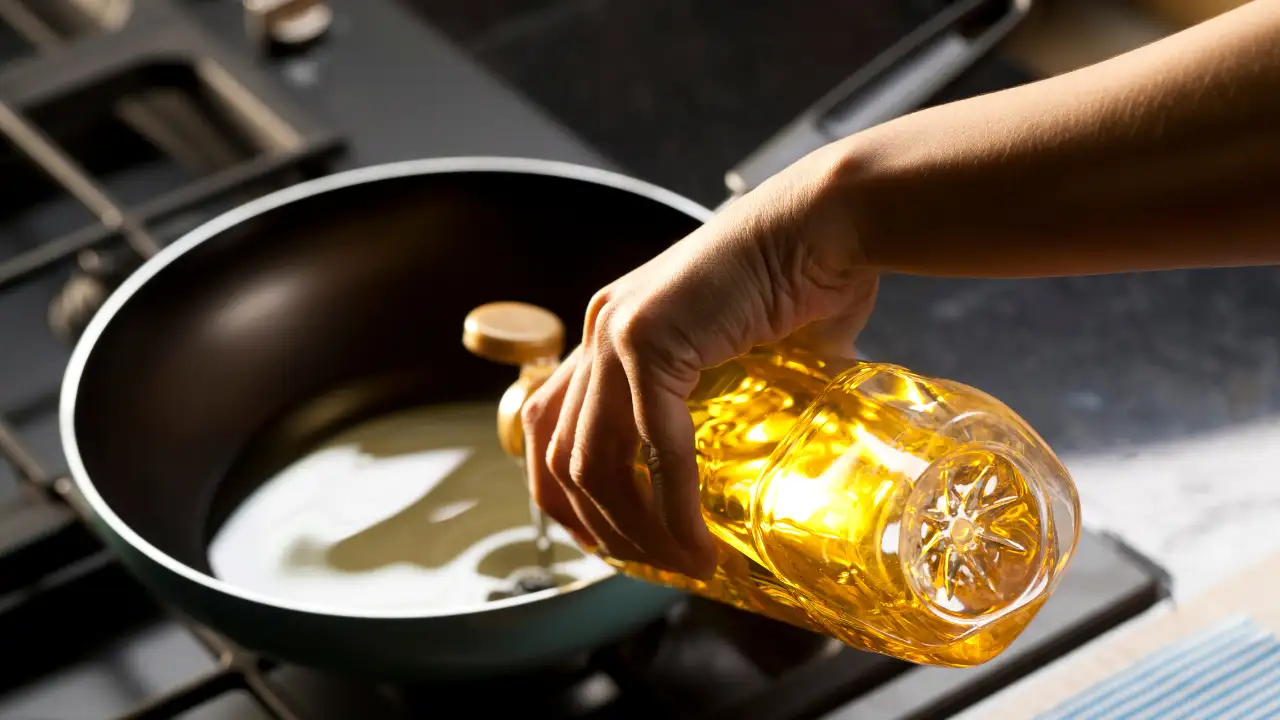
In many kitchens, a familiar scene often unfolds when cooking vegetables: upon lifting the lid, a layer of oil is immediately visible on top. This situation is not uncommon and can affect the visual appeal of the dish, along with altering its flavor. Excess oil not only detracts from the dish’s presentation but can also have health implications. However, there are effective methods to quickly remedy this issue without much hassle.

Understanding the Problem

While cooking, especially when preparing dishes that involve frying or sautéing, it is easy to find oneself using more oil than intended. This not only modifies the taste but can also lead to excessive calorie consumption. Many cooks face the frustration of seeing oil floating on their meal after putting in considerable effort to prepare it.

Strategies to Reduce Oil

One straightforward technique to minimize the appearance of excess oil involves the use of a paper towel. By gently pressing a clean paper towel onto the surface of the dish, you can absorb some of the excess oil without removing the flavors you have developed. This method is quick and does not require any additional ingredients.

Another effective approach is to incorporate naturally absorbent ingredients into your cooking. For instance, adding a small amount of grated potato or bread can effectively soak up excess oil. These items can be stirred into the dish and then removed after a few minutes, helping to maintain the meal’s integrity while also keeping it healthier.

Utilizing Heat Wisely

Controlling the heat during cooking can also be beneficial in managing oil levels. Cooking on medium or low heat allows for slower cooking processes, which can reduce the need for larger amounts of oil. Moreover, using non-stick cookware can minimize the amount of oil you need to use initially, allowing for a healthier cooking method.

Revising Cooking Techniques

Modifications in cooking techniques may also lead to a reduction in the overall amount of oil used. For example, steaming or boiling vegetables instead of frying can keep the dishes lighter. These methods allow for retaining nutrients while minimizing added fats, resulting in a healthier meal option.

Alternative Ingredients

Exploring various recipes that call for less oil or utilize spices and herbs can enhance flavor without overwhelming the dish with fats. Herbs such as cilantro, mint, and spices like cumin and turmeric can offer robust tastes that may reduce the need for oil as a flavor enhancer.

Final Thoughts on Healthy Cooking

Being mindful of oil usage while cooking can contribute significantly to a healthier lifestyle. By employing simple hacks and being conscious of cooking techniques, it is possible to enjoy delicious and visually appealing meals without the excess oil that can diminish health benefits. These strategies can empower cooks at all levels to create satisfying dishes that are both tasty and nutritious.

Long or Short, get news the way you like. No ads. No redirections. Download Newspin and Stay Alert, The CSR Journal Mobile app, for fast, crisp, clean updates!

Latest News

Popular Videos
