


CIC Identifies Persistent Crisis of Suicides in IITs, Calls for High-Level Committees
The CSR Journal Magazine

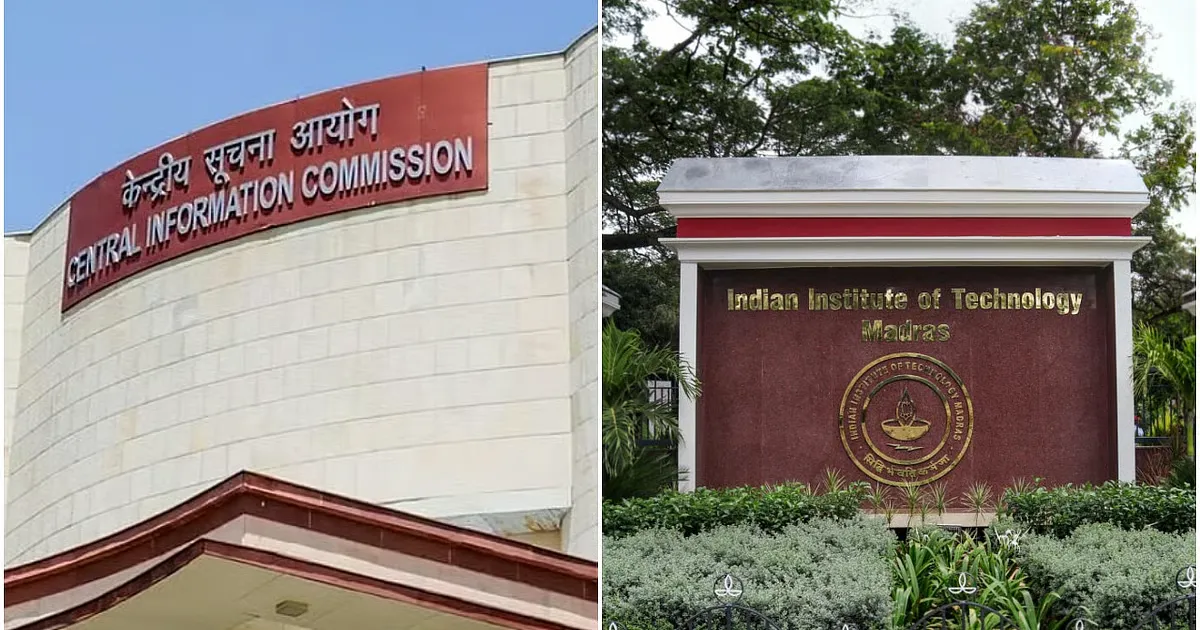
The Central Information Commission (CIC) has identified what it terms a “persistent crisis” related to suicides at Indian Institutes of Technology (IITs) and has recommended the establishment of high-level committees to investigate the factors contributing to these tragedies. The CIC emphasised the urgent requirement for corrective actions at institutions with a history of multiple annual suicides.

This recommendation was made during proceedings concerning appeals filed by individuals seeking details about suicide victims from various IITs, including IIT Madras, IIT Jodhpur, IIT Goa, and IIT Kanpur. While the Commission upheld the institutes’ decision to deny requests for personal data, it urged improved transparency regarding preventive measures and mental health initiatives within these institutions.

Annual Suicides Present Significant Challenges

The Commission instructed the IITs to disclose details related to the configuration and activities of these committees on their official websites in accordance with the Right to Information (RTI) Act. This directive aims to foster transparency and accountability in the handling of mental health issues within these academic institutions.

The CIC’s directives gain additional relevance in light of the latest report from the National Crime Records Bureau (NCRB), which indicates a rise in student suicides, contrasting with a slight overall decrease in total suicides in India for 2024. The NCRB report revealed that student suicides surged from 13,892 in 2023 to 14,488 in 2024, marking an increase of nearly 4.3 per cent. This statistic underscores the urgent need for comprehensive intervention strategies.

Concerns over Privacy and Public Interest

The CIC’s ruling emerged from appeals lodged by IIT alumnus Dheeraj Kumar Singh, who sought demographic information on student suicides dating back to 2005. Singh, who manages a non-governmental organisation focused on student welfare, indicated that this data was crucial for analysing root causes and enhancing mental health services.

Furthermore, the CIC referenced the introduction of Section 44 (3) in the Digital Protection and Data Privacy Act, which affects how personal data is handled by public authorities. This legislation places a significant burden on justifying the withholding of personal information, particularly in matters crucial to public interest.

Activists Advocate for Increased Transparency

Activist Anjali Bhardwaj expressed concerns regarding the implications of the Digital Protection and Data Privacy Act on the public’s right to access vital information. She argued that demographic data, especially pertaining to socio-economic backgrounds, is essential for understanding patterns of suicides among marginalised communities.

The CIC’s recommendations for establishing high-level committees represent a positive shift towards addressing the issue of mental health more effectively. Transparency activist Amrita Johri noted that accessible information would empower students, faculty, and families to engage constructively in developing solutions to prevent suicides.

Both the CIC and activists agreed on the pressing need to ensure that institutions foster open dialogue regarding mental health resources, thereby helping to mitigate the ongoing crisis of student suicides. The NCRB report reiterated the profound impact of suicides on families and communities, underscoring the critical need for actionable measures.

Long or Short, get news the way you like. No ads. No redirections. Download Newspin and Stay Alert, The CSR Journal Mobile app, for fast, crisp, clean updates!

App Store –  https://apps.apple.com/in/app/newspin/id6746449540 

Google Play Store – https://play.google.com/store/apps/details?id=com.inventifweb.newspin&pcampaignid=web_share

Latest News

Popular Videos
