


app-store-logo
play-store-logo
March 2, 2026

China’s Space-Traveled Mouse Gives Birth to 28 Pups, Advancing Microgravity Research
The CSR Journal Magazine

A female mouse that spent two weeks aboard China’s Tiangong Space Station has given birth to a total of 28 pups across three separate litters, sparking interest among scientists regarding the impact of short-duration space flights on mammals. The journey began with the Shenzhou-21 mission, which launched on October 31, 2025, carrying a total of four mice, marking a significant milestone as the first small mammals to orbit the homegrown Chinese station.

After completing about fourteen days of microgravity research, the team landed back on Earth safely on November 14, according to information from the China National Space Administration.

Initial Births and Pup Development

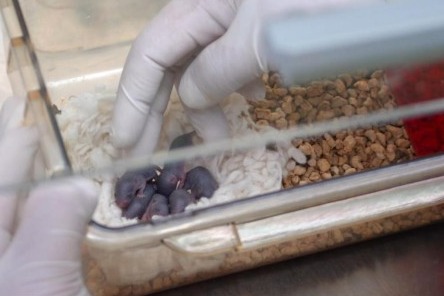
Shortly after their return, the mouse wasted no time in starting a family, giving birth to her first litter of nine pups on December 10. This remarkable mouse continued to demonstrate her reproductive capabilities, producing a second litter of ten pups, followed by another nine in February 2026. In total, the mother mouse has now welcomed 28 pups, significantly exceeding the typical five to seven pups usually born to mice on solid ground.

Understanding the Reproductive Outcomes

The pups born during this experiment have been observed to be vigorous, with the mother exhibiting expected nursing behaviors and no apparent complications linked to her time spent in space. Initial observations indicated some normal infant mortality in the first litter, but the remaining pups thrived, and the subsequent litters displayed even more robust outcomes.

The substantial number of offspring has led researchers to speculate whether the conditions faced during the short orbital mission triggered some form of reproductive rejuvenation once the mouse returned to Earth’s gravity.

Adaptation and Behavior of Pups

Notably, varying degrees of adaptation were observed among the pups from the different litters. The first group required additional time to acclimate to Earth’s gravity and exhibited initial hesitance in movement. In contrast, the second litter demonstrated improved confidence from the outset.

By the time of the third litter’s arrival, the pups exhibited behaviors akin to those of mice born under normal terrestrial conditions. This progressive adaptation suggests that any effects from microgravity diminish with successive births, presenting valuable insights into mammalian resilience in relation to space travel.

Future Prospects for Space Studies

Researchers are not concluding their examinations with this single experiment. Plans are underway for extended missions in which mice will be sent into orbit for durations of six months or longer, aiming to replicate human astronauts’ experiences.

These future studies will encompass a broad range of observations, including physiological changes, behavioral patterns, and reproductive outcomes across generations. This current research has already provided significant data, raising new questions about the potentials of space travel for fostering, or possibly enhancing, mammalian reproductive health moving forward.

Long or Short, get news the way you like. No ads. No redirections. Download Newspin and Stay Alert, The CSR Journal Mobile app, for fast, crisp, clean updates!

App Store –  https://apps.apple.com/in/app/newspin/id6746449540 

Google Play Store – https://play.google.com/store/apps/details?id=com.inventifweb.newspin&pcampaignid=web_share

Latest News

Popular Videos
