


app-store-logo
play-store-logo
January 13, 2026

Chilling Truth: How India’s Ice Bath Obsession Risks Heart Attacks in 2026
The CSR Journal Magazine

As icy plunges sweep across India’s fitness studios, yoga retreats, and urban homes from Mumbai’s high-rise gyms to Goa’s beachside wellness camps, new clinician-backed safety guidelines are sounding the alarm. Released on January 1, 2026, this comprehensive guide draws from the latest 2025-2026 research to curb reckless social media trends pushing extreme cold exposure. What began as an elite athlete’s recovery hack has gone mainstream, but experts caution that without strict limits, the trend risks serious harm, especially in India’s tropical climate where sudden chills hit harder.

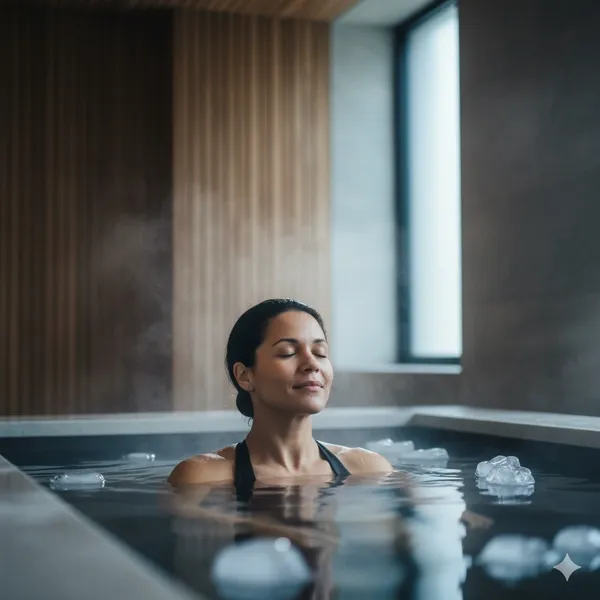
Cold plunges involve full-body immersion in water between 39-59°F (4-15°C), triggering vasoconstriction that flushes metabolic waste and reduces inflammation. In India, where gym culture blends with ancient hydrotherapy traditions like Himalayan cold dips, enthusiasts report sharper focus and post-workout relief. Yet, viral challenges glorifying five-minute freezes in near-zero waters ignore physiology: the body’s cold shock response spikes heart rate and blood pressure, mimicking a sudden stressor.

Science-Backed Benefits Taking India by Storm

Research confirms real gains, making cold plunges a hot topic in Indian wellness circles. A January 2025 PLOS One meta-analysis of over 3,000 participants showed stress levels drop significantly 12 hours post-immersion, alongside better sleep quality, vital for India’s stressed professionals battling long commutes and erratic schedules. Athletes, including IPL cricketers and Mumbai Marathon runners, swear by it for curbing delayed-onset muscle soreness (DOMS), with studies reporting 15-30% faster recovery through reduced swelling.

Mood boosts come from norepinephrine and dopamine surges, offering a natural antidepressant edge amid rising urban anxiety. In tropical India, where saunas pair with plunges in luxury spas like those in Kerala, this contrast therapy enhances circulation and insulin sensitivity, potentially aiding diabetes management, a pressing concern with over 100 million cases nationwide. Sleep improvements stem from the body’s rewarming phase, releasing hormones that promote deeper rest, as noted in recent Frontiers in Physiology reviews.

The guide highlights post-exercise timing as optimal: immerse after endurance sessions, not strength training, to avoid blunting muscle gains. Bollywood celebrities and influencers sharing plunge routines have fuelled a 300% rise in home tub sales on platforms like Amazon India, blending global trends with local ayurvedic chill vibes.

Proven Protocols for Safe Indian Practice

Beginners must acclimatise slowly, starting with 30-second cold showers, familiar to many from daily routines in water-scarce cities like Chennai. Progress to tubs at 50-59°F (10-15°C) for 1-3 minutes, using nasal inhales and slow exhales to tame the gasp reflex. Caps at 5-10 minutes prevent hypothermia, with thermometers essential since Indian summers skew perceptions of “cold”.

Never plunge solo; India’s rising home wellness setups demand a buddy system, especially post-Diwali party seasons when alcohol lingers. Skip head submersion to avoid vagus nerve overload, and rewarm naturally via light walks. Hot chai helps, but skip scalding showers that shock vessels. Track progress in a journal, aiming for 2-3 sessions weekly, as overdoing it spikes short-term inflammation before long-term adaptation kicks in.

For humid coastal areas like Mumbai or Kolkata, maintain water hygiene to dodge infections, using eco-friendly chillers suited to erratic power grids. Pregnant women, children, and seniors should abstain, tailoring to India’s diverse climates from Rajasthan deserts to Himalayan heights.

Medical Red Flags Indians Can’t Ignore

Experts like Professor Mike Tipton warn against endurance boasts: “Sitting in water as long as possible fills me with horror.” Those with heart disease, uncontrolled hypertension, diabetes, or poor circulation, common in India’s ageing population, face acute risks as cold constricts vessels, straining the heart.

Raynaud’s, peripheral neuropathy, and cold agglutinin disease contraindicate plunges; consult an ayurvedic or allopathic doctor first. Sudden chest pain, dizziness, confusion, or limb numbness signal exit. Cold shock can trigger hyperventilation, drowning, or stroke-like events. In India, where public pools mix crowds, added infection risks loom for immunocompromised users.

Hypothermia creeps faster in lean builds common among vegetarians; women may tolerate less due to higher body fat distribution. Post-plunge frostbite-like nerve damage threatens extremities during prolonged exposure, underscoring why clinician protocols trump TikTok dares.

Why India’s Wellness Wave Needs Guardrails Now

This 2026 guide arrives amid a boom: cold plunge startups mushroom in Bengaluru tech parks and Delhi malls, promising mental resilience for a nation grappling with mental health crises. Yet, emergency rooms report rising cases of cold-induced complications, mirroring global spikes. Balance is key. Deliberate dips deliver dopamine highs and recovery edges without courting disaster.

Indian influencers can lead responsibly by demoing measured sessions, inspiring safe adoption. India blends this trend with yoga for holistic gains. Prioritise evidence over extremes: cold plunges thrive on discipline, not bravado, ensuring this chill trend warms hearts safely.

Long or Short, get news the way you like. No ads. No redirections. Download Newspin and Stay Alert, The CSR Journal Mobile app, for fast, crisp, clean updates!

App Store –  https://apps.apple.com/in/app/newspin/id6746449540 

Google Play Store – https://play.google.com/store/apps/details?id=com.inventifweb.newspin&pcampaignid=web_share

Latest News

Popular Videos
