


Chamoli Snowfall: Fresh Snow Covers Satopanth Trail Near Badrinath Amid Changing Weather
The CSR Journal Magazine

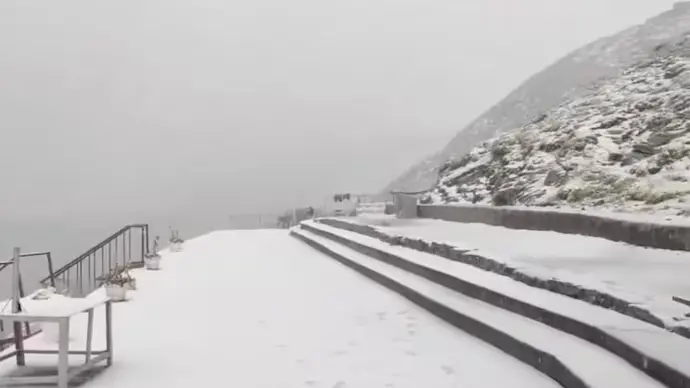
The high-altitude region of Uttarakhand is witnessing a significant transformation as the snowfall blankets the landscape. On September 23, fresh snow was reported along the Satopanth trail, a popular trekking route from Badrinath. The Chakratirth area particularly experienced heavy snowfall as inclement weather set in during the evening hours. A group of trekkers stationed along the Satopanth route found themselves amidst the sudden change, as the tents they had pitched were quickly covered by the fresh snow, signalling the onset of winter in the mountains.

Snowfall’s Timing and Implications

This snowfall aligns with a marked drop in temperatures across the higher elevations of the Himalayas that follows the monsoon season. The India Meteorological Department (IMD) issued a tourism forecast for Chamoli on the same day, indicating partly cloudy skies, with potential rain or thunderstorms predicted. Additionally, temperatures in the region are expected to remain lower in the coming days. Such weather changes are not uncommon for the highest altitudes of the Himalayas, where snowfall can begin as early as September, preceding the onset of winter in the lower valleys.

On September 17, Hemkund Sahib, situated at approximately 4,572 metres in the Chamoli district, recorded its first snowfall of the season. This earlier occurrence demonstrates the variability in weather patterns at high elevations, where rain and fog were also noted around the Badrinath and Kedarnath valleys during that period.

The appearance of snow in September is an expected phenomenon for the high Himalayan region, particularly at elevations similar to that of the Satopanth route. The transition from the monsoon season into colder weather frequently begins around this time, leading to sufficiently low temperatures that allow for snowfall. Rather than indicating the full arrival of winter, this snowfall denotes a change of season for the region.

Weather Considerations for Trekkers

The evolving weather conditions serve as a crucial reminder for trekkers navigating the high Himalayan terrains. Despite the snowfall at higher elevations, areas at lower altitudes may continue to experience milder temperatures and rain for several weeks. As the highest peaks begin to receive snow, trekkers should stay vigilant and prepared for rapidly changing weather conditions in the mountains.

The swift transition to snowfall illustrates the dynamic nature of the Himalayan climate, where the altitude significantly influences weather patterns. Trekkers and locals alike must remain aware of these fluctuations, which can occur with little warning. The high Himalayas are known for their challenging environments, where sudden weather changes can impact trekking schedules and safety.

In summary, the recent snowfall in Chamoli marks the early start of winter in the high Himalayas, as temperatures drop and conditions shift after the monsoon. While occasional September snowfalls may seem unusual to some, they highlight the region’s distinct climatic patterns influenced by elevation. Trekkers are encouraged to exercise caution and adaptability in the face of potential weather-related challenges in the coming weeks.

Long or Short, get news the way you like. No ads. No redirections. Download Newspin and Stay Alert, The CSR Journal Mobile app, for fast, crisp, clean updates!

App Store –  https://apps.apple.com/in/app/newspin/id6746449540 

Google Play Store – https://play.google.com/store/apps/details?id=com.inventifweb.newspin&pcampaignid=web_share

Latest News

Popular Videos
