


app-store-logo
play-store-logo
February 26, 2026

Chaitra Navratri 2026: Dates and Timing for Kalash Sthapana
The CSR Journal Magazine

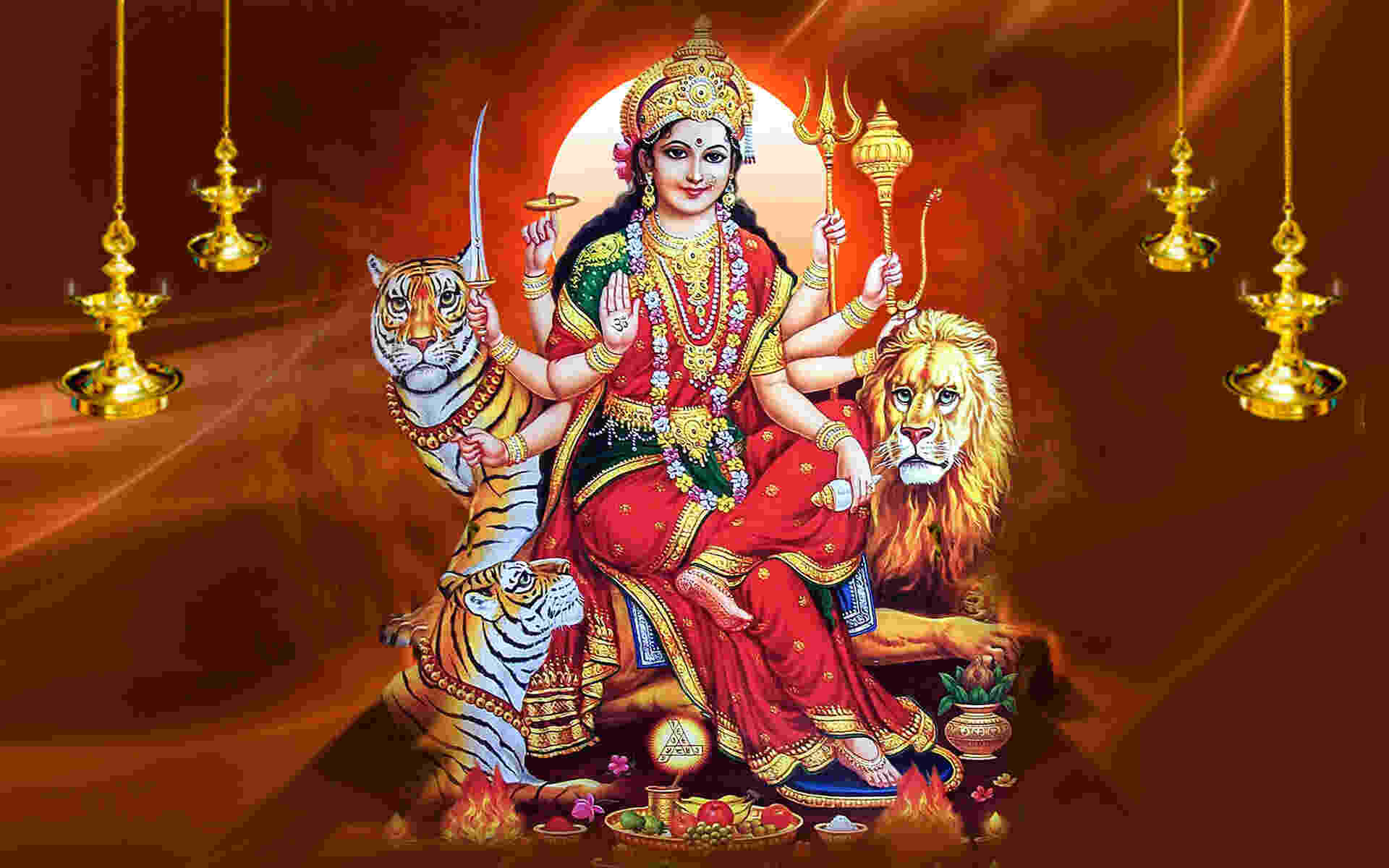
Chaitra Navratri in 2026, also called Vasant Navratri, marks the initiation of the Hindu New Year celebrated in various regions of India. This nine-day festival is dedicated to the nine divine forms of Goddess Durga, embodying the victory of good over evil. The festivities culminate with Ram Navami, which honors the birth of Lord Rama. Throughout this spiritually essential period, devotees engage in fasting, conduct special pujas, and recite sacred hymns.

Kalash Sthapana Timing

According to the Hindu Panchang, Chaitra Navratri will commence on Thursday, March 19, 2026, with the Ghatasthapana or Kalash Sthapana ritual performed on the Pratipada tithi of Shukla Paksha in the Chaitra month. This festival will last for nine days, concluding on March 27, 2026, coinciding with the observance of Ram Navami.

Auspicious Muhurat for Kalash Sthapana

The Ghatasthapana ceremony is a significant ritual that signifies the onset of Navratri. The Kalash is a symbol of divine energy and prosperity. The auspicious timings for this ritual on March 19, 2026, are as follows: the Primary Muhurat is from 6:10 AM to 8:35 AM, while the Abhijit Muhurat, an alternative timing, falls between 12:05 PM and 12:53 PM. The Pratipada Tithi begins around 6:52 AM, and devotees are encouraged to conduct the Kalash Sthapana during these early morning hours for optimal spiritual benefits.

Worship of the Nine Forms of Goddess

Each day of Chaitra Navratri is dedicated to a specific manifestation of Goddess Durga, collectively referred to as Navadurga. The nine forms include Shailputri, Brahmacharini, Chandraghanta, Kushmanda, Skandamata, Katyayani, Kalaratri, Mahagauri, and Siddhidatri. Devotees engage in chanting the Durga Saptashati and perform daily aartis to seek blessings for health, prosperity, and protection.

Fasting Practices and Guidelines

During Navratri, many devotees adhere to a strict sattvic fast. Common fasting practices may include avoiding grains, onions, and garlic, and consuming fruits, milk, buckwheat (kuttu), water chestnut flour (singhara), and sabudana. Participants typically maintain celibacy, foster positive thoughts, take daily baths, and wear clean attire. Furthermore, it is customary to refrain from cutting hair or applying oil while observing the fast. This fasting is viewed as a means to purify both body and mind, enhancing devotion.

Puja Vidhi for Chaitra Navratri

The traditional ritual process for Chaitra Navratri encompasses various steps that begin with cleaning and purifying the home altar. A Kalash filled with water and barley seeds is established and a coconut is placed atop this Kalash. Daily offerings include flowers, fruits, and prasad. Devotees recite the Durga Saptashati or other Devi mantras and perform aarti with camphor. The rituals culminate on the final day with either an immersion or a respectful conclusion of the Kalash rituals. Chaitra Navratri not only signifies renewal and spiritual awakening but also embodies the essence of divine feminine power and coincides with the arrival of spring, symbolizing new beginnings and positivity.

Long or Short, get news the way you like. No ads. No redirections. Download Newspin and Stay Alert, The CSR Journal Mobile app, for fast, crisp, clean updates!

App Store –  https://apps.apple.com/in/app/newspin/id6746449540 

Google Play Store – https://play.google.com/store/apps/details?id=com.inventifweb.newspin&pcampaignid=web_share

Latest News

Popular Videos
