


app-store-logo
play-store-logo
February 26, 2026

CBSE to Implement Three-Language Formula in Class 6 from 2026-27
The CSR Journal Magazine

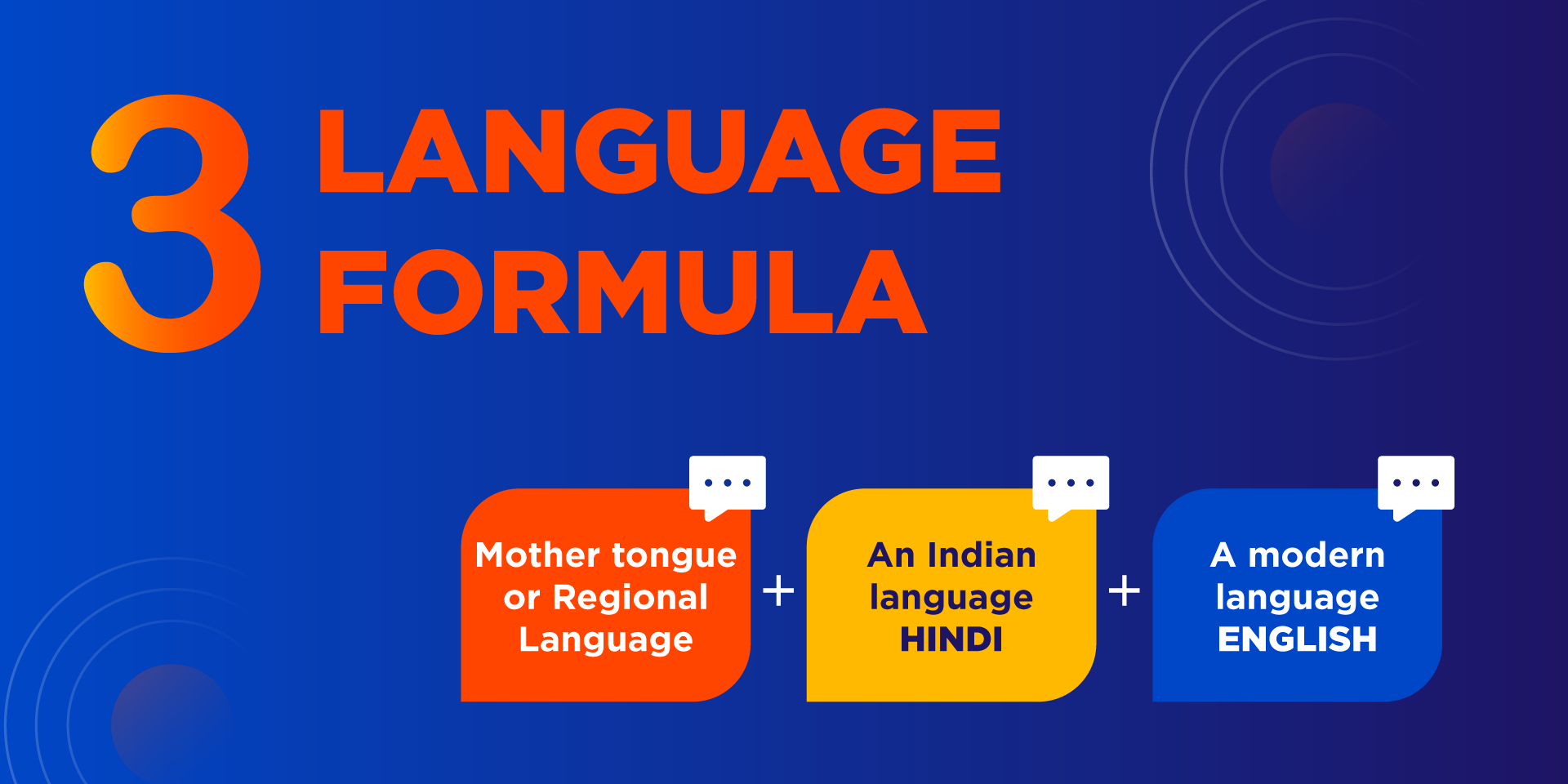
The Central Board of Secondary Education is planning to introduce the three-language formula outlined in the National Education Policy (NEP) 2020 starting in the 2026-27 academic year. This initiative aims to ensure that students in Class 6 will learn three languages, with a requirement that at least two of the languages be Indian languages. Under this framework, English will be classified as a “foreign” language. For institutions where English is taught in Class 6, it will count as the foreign language, necessitating the inclusion of two Indian languages alongside it.

Foreign Language Options in Schools

Reports have indicated that if schools choose to offer another foreign language, such as French or German, as the third language option, they must ensure that two Indian languages are still part of the curriculum. This policy is aimed at promoting multilingual education while respecting the linguistic diversity of India.

Guidelines for Language Learning and Classroom Hours

The proposed changes align with the National Curriculum Framework for School Education (NCFSE) 2023, which states that the introduction of a third language should occur during the middle stage of education, covering Classes 6 through 8. The framework highlights the need for sufficient classroom time to facilitate the learning of a new language, allowing students to acquire essential communication skills effectively.

Extension of Language Requirements to Classes 9 and 10

Changes to language education may extend beyond Class 8. The NCFSE also recommends the continuation of all three languages through Classes 9 and 10. If implemented, students taking the Class 10 Board examinations by 2031 might be required to complete a paper in the third language, whereas currently, students typically take exams in two language subjects.

Development of New Textbooks and Educational Materials

To facilitate the transition to this new educational framework, the CBSE will need to develop new textbooks and learning materials. Reports suggest that the board is working on study materials for nine languages for the academic year 2026-27. These languages will likely include Tamil, Telugu, Malayalam, Kannada, Gujarati, and Bangla, among others. This initiative underscores the importance of language education in fostering cultural connections and embracing the rich linguistic heritage of India.

Emphasis on Multilingualism and National Identity

The NCFSE emphasizes that exposure to multiple languages plays a significant role in promoting multilingualism and reinforcing a shared national identity. Implementing these changes is expected to represent a notable shift in how languages are taught in middle and secondary educational levels across the country. The proposed three-language structure aims to enrich the educational experience and enhance students’ cultural awareness through diverse linguistic engagement.

Long or Short, get news the way you like. No ads. No redirections. Download Newspin and Stay Alert, The CSR Journal Mobile app, for fast, crisp, clean updates!

App Store –  https://apps.apple.com/in/app/newspin/id6746449540 

Google Play Store – https://play.google.com/store/apps/details?id=com.inventifweb.newspin&pcampaignid=web_share

Latest News

Popular Videos
